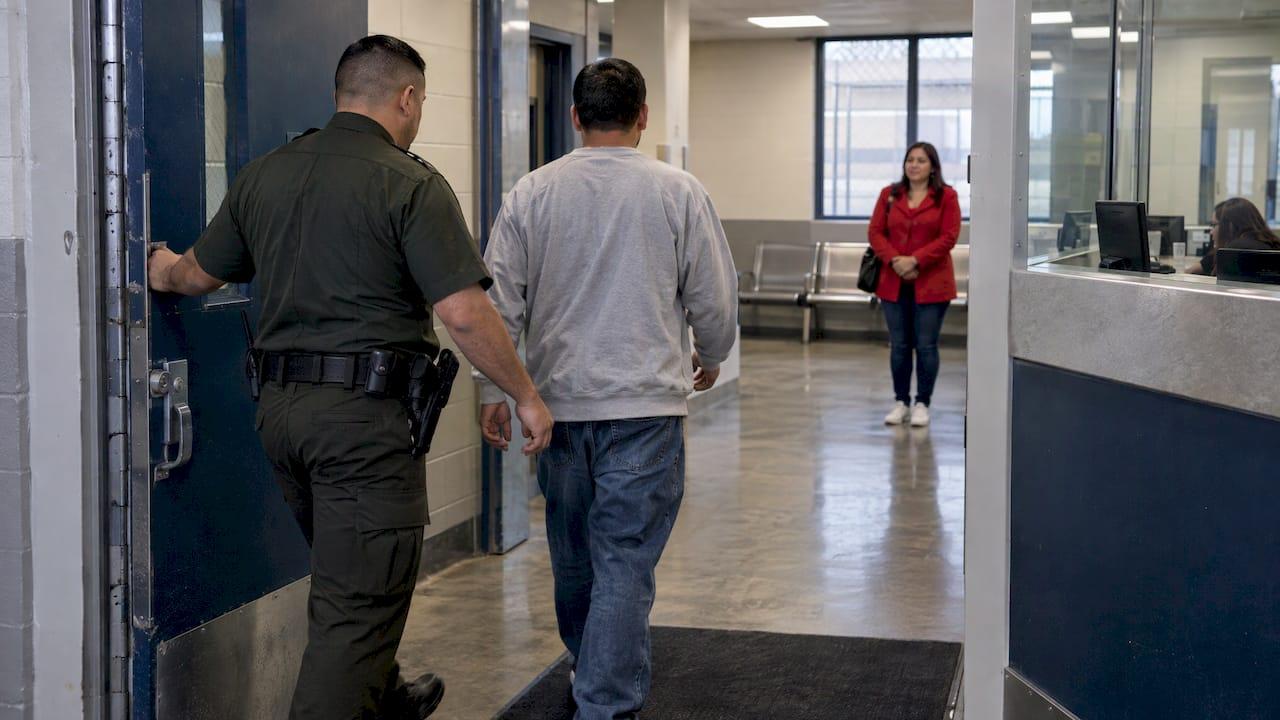
Most people arrested for disorderly conduct in California do not need to sit in jail for long. Many are released with a written promise to appear. Others are released on their own recognizance at arraignment. If a judge or the county schedule sets money bail, a bail bond lets you pay a percentage of that amount to get your person out. At Jake Hernandez Bail Bonds, the premium is 10%, and our team answers 24/7 in all 58 counties.
This guide explains which path applies, how the amount is set, why "disorderly conduct" can mean very different bail figures, and what to do in the first hours after an arrest.
TL;DR
- California has no single disorderly conduct statute. The charge usually comes from Penal Code section 647, and it is a misdemeanor.
- Before a first court appearance, bail is the warrant amount or the county's bail schedule amount. After the judge sees the case, the judge decides.
- Many misdemeanor arrests end in citation release or own-recognizance release, so no bond is needed. If bail is set and the person is still in custody, a bond is the usual way out.
- Cash bail has not been abolished in California, but a person cannot be held only because they cannot afford the scheduled amount.
- Release is not the end of the case. Every court date still has to be met.
Table of Contents
- What "disorderly conduct" means in California
- Do they have to post bail at all?
- How the bail amount is set
- Did California end cash bail?
- What a bail bond costs for a disorderly conduct arrest
- Getting someone out: the steps
- Why release is not the same as the charge being dropped
- When the hold is more than the charge: PC 1275
- Perspective
- Talk to us about a bond
- FAQ
- Sources
What "disorderly conduct" means in California
California does not have one law with that name. The label covers a group of acts listed in Penal Code section 647, and a section 647 charge is a misdemeanor punishable by up to six months in county jail and/or a $1,000 fine.
The arrest paperwork may name a specific subsection. That matters for bail, because counties price subsections differently. The 2026 Siskiyou County schedule, for example, sets bail at $1,000 for most Penal Code sections, yet lists section 647(f), public intoxication, at $500. Two people booked for "disorderly conduct" on the same night can therefore face different numbers.
If you are trying to help someone, the first useful step is to find the exact code section and subsection on the booking record or from the jail's inmate information line. That detail drives everything below.

Do they have to post bail at all?
Not always. There are three stages where a person arrested for a misdemeanor can be released without money bail.
At the scene or at booking: citation release
Under Penal Code section 853.6, a person arrested for a misdemeanor generally must be released on a citation unless a listed reason for keeping them applies. Those reasons include:
- intoxication so severe that the person is a danger to themselves or others
- a need for medical care
- an outstanding warrant
- inadequate identification
- a risk to the investigation
- a continuing danger
- refusal to sign the notice
- reason to believe the person will not appear
The notice to appear states the charge, the court, and the date and place. The person signs a promise to show up. This is why disorderly conduct arrests tied to alcohol, a fight or a refusal to leave a property can go either way: the facts at the scene decide whether the officer cites or books.
Before arraignment: the bail schedule
If the person is booked and held, the first number you hear is usually the schedule amount. Penal Code section 1269b requires each county's superior court judges to adopt a uniform countywide bail schedule and revise it every year. Before a first appearance, bail is the warrant amount or, if there is no warrant, the schedule amount.
That is the point where families often call a bondsman, because the person can be released from the jail before they ever see a judge.
At arraignment: own recognizance or set bail
For a misdemeanor, a person arraigned in custody is entitled to own-recognizance (OR) release unless the court finds on the record that release would compromise public safety or would not reasonably assure appearance. If the judge makes either finding, the court sets bail and any conditions.
California Courts' self-help guide describes the judge's options at this hearing: release on a promise to appear, supervision such as home detention or electronic monitoring, set bail, or deny bail. The judge weighs the crime, public safety and the likelihood the person returns to court.
How the bail amount is set
The schedule is a starting point, not a final word. Three 2026 county schedules say so plainly:
- San Luis Obispo's schedule applies to warrantless arrests until judicial review, and after the first appearance the judge may set bail higher or lower based on the filed charges, enhancements and prior convictions.
- San Bernardino's schedule is a guideline, and all bailable offenses are subject to an individualized determination by a magistrate.
- Los Angeles County publishes its own annual misdemeanor schedule, discussed below.
When a judge sets or changes bail, Penal Code section 1275 tells the court what to weigh. The court must consider public protection, the seriousness of the offense, the person's criminal record and the probability of appearing, with public safety as the primary consideration. The judge may also look at injury or threats to an alleged victim, weapon use and controlled-substance allegations.
In practice, a disorderly conduct case with no injury, no weapon and a clean record tends to be a low-risk misdemeanor on paper. A case with a prior record, a fight or a threat attached looks different to the court. Tell the bondsman and any attorney about all of it, since the court will see it.
Where to check your county's number
Every county's superior court posts its schedule on its website, usually as a PDF titled with the year. Search for the county name plus "bail schedule" and the current year, then find the Penal Code section from the arrest record. Remember that the schedule is presumptive. The amount the jail quotes is the one that counts until a judge changes it.
Did California end cash bail?
No. A California Law Revision Commission staff memo for 2026 summarizes the position: county schedules and money bail remain authorized, but a person cannot be detained solely because they cannot afford bail, and courts must consider release or less restrictive nonfinancial conditions.
That rule comes from the California Supreme Court's Humphrey decision, and the Los Angeles County 2026 misdemeanor schedule sums it up the same way: courts must consider whether nonfinancial conditions can protect the public and assure appearance.
Los Angeles also uses a pre-arraignment protocol. The same schedule says its Pre-Arraignment Release Protocol has governed eligible low-level misdemeanors and nonviolent felonies since October 1, 2023, using cite-and-release, book-and-release or magistrate review. Whether a person qualifies depends on the charge and the risk assessment. Other counties run their own procedures, so what happens in Los Angeles may not happen in Fresno or Siskiyou.
The practical takeaway: do not assume a disorderly conduct arrest means a bond is required, and do not assume it will be free. Find out what the jail is holding the person on, and whether a release option is already available.
What a bail bond costs for a disorderly conduct arrest
If bail is set and the person is still in custody, a bail bond lets a co-signer pay a fraction of the full amount instead of the whole sum. Our premium is 10% of the bail amount, and attorneys receive an 8% rate that is applied automatically.
A simple illustration using the Siskiyou figure above: a $500 bail amount means a 10% premium of $50. A $1,000 bail amount means $100. Your actual amount depends on the bail the court or schedule sets, so confirm it with the jail first.

For families who cannot pay everything at once, we offer 0% down options and payment plans for qualified co-signers, including our $500 down bail bonds. Qualification depends on the co-signer, so call and we will tell you where you stand.
Getting someone out: the steps
- Get the booking details. You need the full name, date of birth and booking number. Ask which county jail holds the person.
- Confirm the charge and bail amount. Ask for the Penal Code section and subsection, and whether bail is a schedule amount or a judge-set amount.
- Ask whether a citation or OR release is possible. If the person is not yet arraigned and may qualify, that can save the premium. A defense attorney can speak to this.
- Call a bondsman. Have the co-signer's ID and contact details ready. We can start much of the paperwork online through our online bail bonds service.
- Sign and pay the premium. The co-signer takes responsibility that the defendant will appear in court.
- Wait for release. Timing depends on how busy the jail is and its processing. We can't promise an exact hour.
- Calendar every court date. Missing one puts the bond, the co-signer and the defendant at risk.
If you are in one of our busiest counties, these pages cover local detail: disorderly conduct bail bonds in Los Angeles County and disorderly conduct bail bonds in San Bernardino County. For other counties, see our misdemeanor bail bonds page, including Orange County and San Diego County.
Why release is not the same as the charge being dropped
Getting out of jail and having the case dismissed are separate events. Release only answers the question of where the person waits while the case goes forward. Whether the prosecutor files charges, reduces them or dismisses them is decided later, and often depends on the evidence, the person's record and what a defense attorney negotiates. A disorderly conduct charge can end in dismissal, but nobody can promise that outcome at the jail door.
What release does give is time and freedom. A person who is out can meet with a lawyer, work, care for family and gather what the defense needs. That is the main reason families act fast.
When the hold is more than the charge: PC 1275
Sometimes a person arrested for a minor offense cannot walk out even after bail is posted, because of a hold or a source-of-funds review. Where a Penal Code 1275 hold applies, the court may require proof of where bail money came from before it accepts a bond. We handle these regularly. Our page on the PC 1275 hold and bail source hearing explains what documents to gather.
Perspective
Families call us after a disorderly conduct arrest expecting the worst, and often the situation is more manageable than it sounds. The charge is a misdemeanor, the bail amount can be modest, and there may be release options before money is needed at all.
What hurts families is delay and confusion. They do not know the subsection, they do not know which county schedule applies, and they lose hours calling around. We believe in direct, practitioner-led service: you talk to a licensed bail professional, not a call center, and we explain the number before you commit to anything.
Our approach is to get the facts first, tell you honestly what the bond would cost at a 10% premium, look at 0% down or payment plan options if the co-signer qualifies, and stay with you through every court date. Speed matters, and so does understanding what you are signing. We offer free consultations, 24/7, in English and Spanish, Hindi and Arabic.
Jake
Talk to us about a bond
If your person is in custody on a disorderly conduct charge anywhere in California, we can tell you what the bond would cost and what we need from the co-signer. Consultations are free, and we work in all 58 counties with no call centers or middlemen. Start on our California bail bonds page, or see how the 10% premium and attorney discount work.
Attorneys: the 8% attorney rate is applied automatically when you refer a client.
FAQ
Can a disorderly conduct charge be dropped?
Yes, it can be, but that is decided by the prosecutor or the court, not by bail. Charges may be dismissed, reduced or resolved by agreement depending on the evidence and the person's record. A criminal defense attorney is the right person to ask about the odds in a specific case. Posting bail does not end or weaken the case.
What makes you ineligible for bail in California?
Most misdemeanors are bailable. A judge can deny bail only in limited situations, and the court weighs public safety, seriousness, criminal record and likelihood of appearing. A disorderly conduct charge on its own rarely puts bail out of reach, but a hold, warrant or prior record can complicate release.
Has California eliminated cash bail?
No. County bail schedules and money bail still exist. What has changed is that a person cannot be held solely because they cannot afford scheduled bail, and courts must consider nonfinancial conditions. Procedures vary by county.
How much is bail for disorderly conduct in California?
It depends on the county, the year and the subsection. One 2026 county schedule lists public intoxication under section 647(f) at $500, while other sections in that county are set at $1,000. Check the court's current schedule or ask the jail, then call us for the premium.
Sources
- Disorderly Conduct California, Shouse California Law Group
- California Penal Code section 853.6
- California Penal Code section 1270
- California Courts Self Help Guide: The arraignment
- California Penal Code section 1269b
- California Penal Code section 1275
- San Luis Obispo Superior Court 2026 bail schedule
- Siskiyou Superior Court 2026 bail schedules
- San Bernardino Superior Court bail schedule
- Los Angeles Superior Court 2026 misdemeanor bail schedule
- California Law Revision Commission Staff Memorandum 2026-09