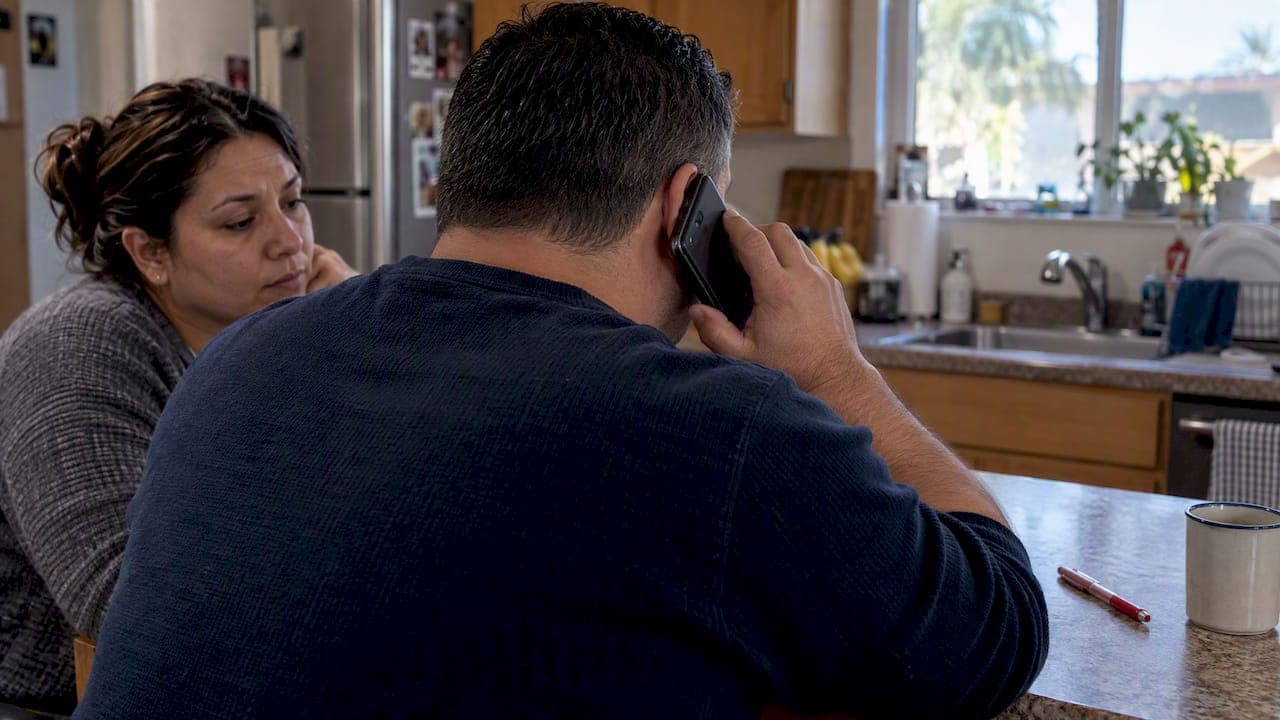
Posting bail in San Diego is often possible before arraignment through a cash deposit, a licensed bail agent, or an own-recognizance release, once booking is complete. The fastest first move is calling the San Diego Sheriff's central custody line at 619-409-5000 or checking the online inmate locator to confirm the booking status and bail amount. The sections below walk through each step, from booking at San Diego Central Jail to the paperwork that gets someone home.
TL;DR:
- Bail in San Diego starts with the county’s bail schedule, effective January 1, 2026, which sets a baseline amount before judge adjustments.
- The 48-hour window to arraignment during which bail can be reviewed or adjusted excludes Sundays and holidays, potentially delaying court review over weekends.
- Posting bail via cash, bonds, property, or own recognizance depends on the case complexity, with property bonds taking significantly longer to process.
- A hold from immigration, probation, or warrants can prevent release even after bail is posted unless resolved beforehand.
- The first 24 to 48 hours involve contacting the sheriff, legal counsel, and bail agents, gathering documents, and choosing the most appropriate release option based on speed, cost, and case details.
Table of Contents
- Booking and how to find an inmate in San Diego County
- How San Diego sets bail amounts
- Four ways to post bail and get someone released
- What judges must consider under In re Humphrey
- Arraignment, bail review, and motions to change bail
- Holds that can block release even after bail is posted
- What happens to bail money once the case ends
- Your first 24 to 48 hours: a practical checklist
- Balancing speed, cost, and legal strategy
- How Jake Hernandez Bail Bonds can help San Diego families move fast
- FAQ
- Sources
Booking and how to find an inmate in San Diego County
Bail cannot be posted until booking finishes. Fingerprints, charge entry, and identity checks all have to clear the system first, and the jail will not accept payment on an incomplete record.
San Diego Central Jail processes many arrestees in the county, and the sheriff's central custody number, 619-409-5000, connects callers to information about where someone is held and what bail has been set. The sheriff's "Who's in Jail" locator online gives the same information without a phone call. Booking can take several hours, and arrests on nights or weekends commonly add delays since fewer staff are processing intakes.
Before calling or visiting, have this ready:
- Full legal name and date of birth of the person arrested
- The booking number, if already assigned
- The facility name, since San Diego County operates more than one jail
Pro Tip: Call before driving to the jail. Booking delays mean a trip made too early often ends in a long wait in a lobby.
How San Diego sets bail amounts
Bail figures do not come from a judge's gut feeling. They start with the San Diego Uniform Bail Schedule, adopted under Penal Code section 1269b, which assigns a baseline dollar figure to each charge. That schedule, effective January 1, 2026, is what jail staff use to set an initial amount at booking, before any judge weighs in.
From there, the law narrows what a judge can do with that number:
- Under Penal Code 1275, judges must weigh public safety and the seriousness of the offense when setting or adjusting bail
- Under In re Humphrey, judges must also consider a defendant's ability to pay and whether non-monetary conditions could work instead
- Under Penal Code 825, an arraignment must happen within 48 hours of arrest, excluding Sundays and court holidays, which is when a judge gets a first real chance to revisit the schedule amount
One fact worth knowing: under Penal Code 825, the 48-hour countdown to arraignment excludes Sundays and holidays, so a Friday night arrest can realistically stretch past the weekend before a judge reviews bail.
Multiple pending charges can stack bail amounts, and certain offense categories carry schedule exceptions that push the baseline higher than a simple reading of the charge would suggest.
Four ways to post bail and get someone released
Families usually choose from four paths, each with its own cost and timeline.
- Cash deposit. Paid directly at the jail or courthouse, in the full bail amount, usually by cash, cashier's check, or money order depending on the facility's accepted forms. The person who deposits the cash is typically the one who gets it refunded once the case resolves, which can take time to process.
- Licensed surety bail bond. A bail agent posts the full amount in exchange for a premium, commonly around 10% of the bail figure, which is non-refundable. A co-signer and sometimes collateral are standard, and because the agent handles the paperwork directly with the jail, this route often moves faster than arranging full cash.
- Property bond. Allowed under Penal Code section 1298, this uses real estate equity instead of cash. It requires an appraisal, a title report, and proof of insurance, and typically takes far longer to process than cash or a surety bond, making it a fallback rather than a speed option.
- Own recognizance (OR) or supervised release. No money changes hands. Judges grant this to defendants seen as low flight risk and low danger, often with input from defense counsel showing stable housing, employment, or community ties.
Pro Tip: If equity in a home is the only asset available, start the appraisal process immediately. A certified, court-ready valuation report speeds up review far more than an informal estimate, and resources like NJREAG's bail bond appraisal guidance outline what documentation courts expect, even though the appraisal itself must come from a California-licensed appraiser.
What judges must consider under In re Humphrey
In re Humphrey changed how California judges are supposed to approach money bail. Rather than defaulting to the schedule amount, judges must consider whether the defendant can actually afford it, and whether a non-monetary condition, like check-ins or electronic monitoring, would protect public safety just as well.
Judges still weigh statutory factors required by Penal Code 1275, including:
- The seriousness and nature of the alleged offense
- Prior criminal record and any history of failing to appear
- Flight risk and ties to the community
- Risk to public or victim safety
Families can help an attorney build the ability-to-pay argument with proof of income, pay stubs, a lease or mortgage statement, and letters showing local ties. Counsel can file a declaration or motion before arraignment so the judge has this information on hand rather than defaulting to the printed schedule.
Arraignment, bail review, and motions to change bail
Arraignment is the first real court appearance, held at one of San Diego County's courthouses, where the defendant hears the charges and the judge addresses bail directly.
Several review mechanisms exist after that first hearing:
- Detained felony defendants get an automatic bail review, and Penal Code 1270.2 generally requires this within five days
- A motion to set or change bail before arraignment falls under Penal Code 1269c
- A motion to reduce bail after arraignment falls under Penal Code 1289, and strong evidence of community ties or financial hardship often moves the needle here
One hearing type catches families off guard:
- A source-of-funds hearing under Penal Code 1275.1 lets prosecutors ask the court to confirm that bail money comes from a legitimate source
- Until that proof is provided, the jail will not release the defendant even if the bail has technically been posted
- This hold applies most often in drug trafficking, organized crime, or large cash cases
Holds that can block release even after bail is posted
Posting bail does not guarantee release if another hold exists on the record. These are the most common:
- Immigration detainers: a request from federal immigration authorities to hold someone beyond their release date
- Probation or parole holds: placed when the arrest involves someone already under supervision
- Outstanding warrants: from another case or another county, which take priority over the current bail
- PC 1275.1 source-of-funds holds: discussed above, these freeze release until the money's origin is verified
Each of these has a different remedy, from a specialized immigration bond to resolving the outstanding warrant first. Before paying anything, call the sheriff's central line to ask directly whether any hold exists, since posting bail on the primary charge while a hold sits unresolved wastes time and money.
What happens to bail money once the case ends
Cash bail is not a fee. It is a deposit, and when the case concludes, the clerk refunds it to whoever posted it, often the family member who paid rather than the defendant.
Processing refunds takes time and depends on court workload, so holding onto a receipt matters.

Forfeiture works differently. Under Penal Code sections 1305 through 1308, if a defendant misses a required court appearance, the court can declare the bail forfeited.
The number that matters most here: courts generally must give notice of forfeiture, and the surety or depositor then has a 180-day window to move to vacate that forfeiture, often by showing the defendant was located, hospitalized, or otherwise unable to appear.
- Keep every receipt from the jail or courthouse
- Keep a copy of the bond paperwork and any court appearance confirmations
- Track every court date, since a missed date is what triggers forfeiture in the first place
Your first 24 to 48 hours: a practical checklist
The first two days after an arrest decide how fast release happens and how much it costs.
- Call the sheriff's central custody line at 619-409-5000 to confirm booking status, facility, and bail amount
- Call a defense attorney, especially for felony charges, to start building an ability-to-pay or OR argument before arraignment
- Call a licensed bail agent if cash on hand will not cover the full bail amount
- Gather documents: government ID, proof of relationship to the defendant, proof of funds, and the booking number once assigned
- Decide on a path: cash works best when the amount is manageable and liquidity is not a concern, a bond makes sense when the premium cost is worth the speed and the full amount is not readily available, and OR is worth pursuing through counsel when the defendant has stable ties and a clean or minor record
A rough cost comparison helps the decision: a $10,000 bail paid in cash ties up the full $10,000 until the case resolves, while a bond on the same amount might cost roughly $1,000 as a non-refundable premium, freeing up the rest of the cash immediately.
Pro Tip: Always confirm a bail agent's California license number before handing over any money. A legitimate agent will provide it without hesitation, and the state's licensing board can confirm it on the spot.
If release stalls past the expected timeline, call the facility back and ask specifically whether a hold exists. That single question saves hours of confusion.
Balancing speed, cost, and legal strategy
The instinct in a crisis is to get a family member out as fast as possible, and that instinct is not always wrong, but it is not always right either. Tying up $10,000 or $20,000 in cash can leave a family without a financial cushion for weeks or months while a case plays out, and a property bond pledges a home against an outcome nobody can predict yet.
Speed matters most when a hold risk is low and the charge is straightforward. Legal strategy matters more when the charges are serious, when a source-of-funds hearing is likely, or when a bail review motion could cut the amount significantly before anyone pays a dime. A felony case with a complex hold is rarely the moment to skip a lawyer in favor of the fastest-looking option.
Watch for anyone promising a release that bypasses standard jail procedure. Licensed, local, bilingual support exists specifically because families in crisis deserve a straight answer, not a shortcut that does not exist.
— Jake
How Jake Hernandez Bail Bonds can help San Diego families move fast
We post licensed bail bonds across all 58 California counties, including San Diego, and we work the phones at 619-409-5000-adjacent jail procedures every day, which means we already know what San Diego Central Jail and other county facilities need before a family even arrives.
We answer calls 24/7, offer free consultations, and provide bilingual support in Spanish, Hindi, and Arabic so language is never the barrier between a family and a fast release. Our bonds range from $1,000 to $1,000,000, with 0% down options and payment plans for qualified co-signers, plus an automatic 8% premium for attorneys instead of the standard 10% premium.
- We coordinate directly with jail and court staff to speed up processing once a bond is approved
- We handle complex cases, including 1275 holds, federal bonds, and immigration bonds
- We offer $500 down bail bonds for qualifying clients who need a lower upfront cost
Call us anytime, or start the process on our San Diego bail bonds page to get a bond moving right now.
This article is general information, not a substitute for advice from a qualified lawyer. Consult a qualified legal professional about your own circumstances before acting on anything here.
FAQ
How much is bail in San Diego?
Bail amounts in San Diego come from the county's Uniform Bail Schedule, which assigns a baseline figure based on the specific charge. A judge can later raise or lower that baseline at arraignment after weighing public safety and the defendant's ability to pay.
What is the new bail law in California?
California's bail practice was reshaped by In re Humphrey, which requires judges to consider a defendant's ability to pay and to weigh non-monetary release conditions rather than defaulting automatically to the bail schedule amount. Judges still must also weigh public safety and flight risk under Penal Code 1275.
How much is bail on a $1,000 bond?
A licensed bail agent typically charges a premium rather than the full bond amount, commonly around 10% of the bail figure. On a $1,000 bond, that premium would be roughly $100, though the exact rate and any available discounts depend on the agent and the client's qualifications.
How long do you stay in jail if you can't make bail?
If bail cannot be paid, a defendant generally stays in custody until arraignment, which under Penal Code 825 must happen within 48 hours of arrest, excluding Sundays and holidays. After that, the person typically remains held until the case resolves, a bail review hearing changes the amount, or family and counsel arrange payment through cash, a bond, or an own-recognizance release.
Sources
- Understanding Bail in San Diego: A Step-by-Step Guide
- California Penal Code §825
- San Diego County bail schedule (Superior Court of California, County of San Diego)
- San Diego Central Jail | San Diego County Sheriff