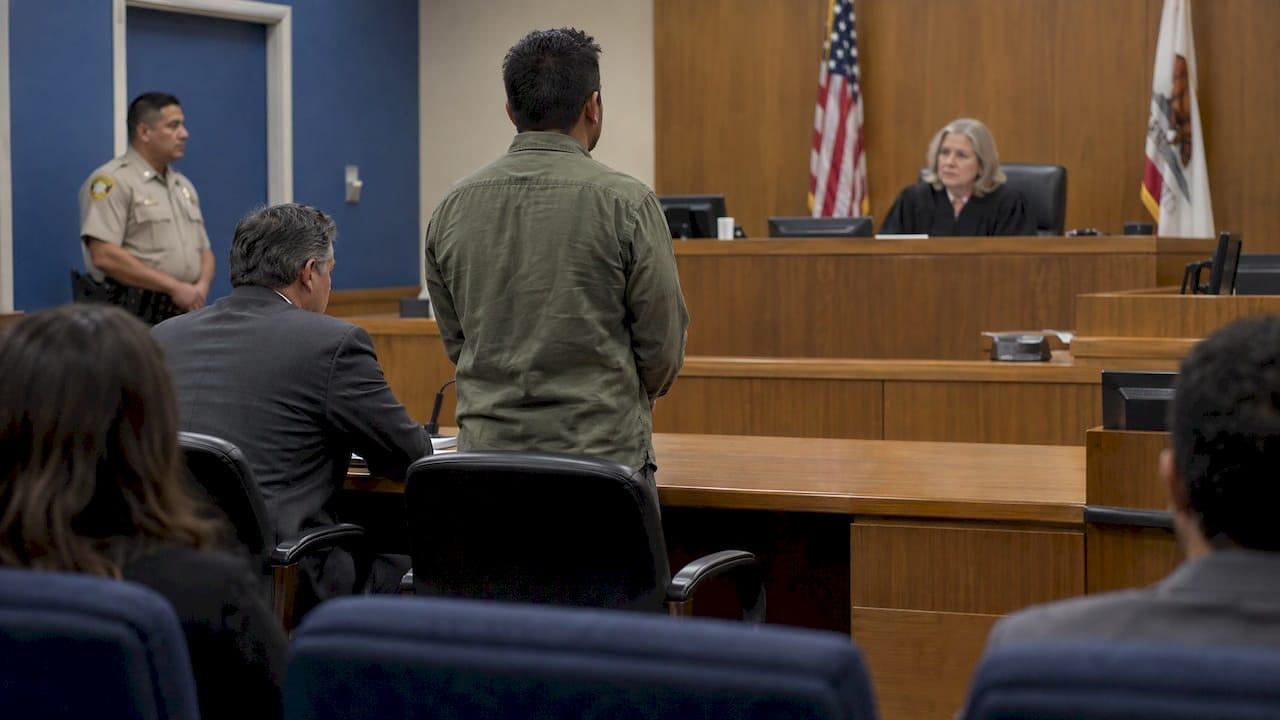
Most shoplifting arrests in California are misdemeanors, and many end in release with little or no money paid. If bail is set, the amount comes from the county's bail schedule or a judge, and a bail bond lets you pay a 10% premium instead of the full amount. We post shoplifting bonds in all 58 counties, and the fastest way to learn your exact number is to call us with the person's name and the jail.
TL;DR
- Shoplifting in California means taking property worth $950 or less from an open store, and it is charged as a misdemeanor in most cases (Penal Code 459.5).
- Before a first court appearance, bail is the warrant amount or the county bail schedule figure. After the first appearance, the judge sets it (Penal Code 1269b).
- Some misdemeanor arrestees are released on their own recognizance with $0 bail, so ask the jail before paying anything.
- Our bond premium is 10% of the bail, and the attorney discount is 8%. Consultations are free and we answer 24/7.
Table of Contents
- What counts as shoplifting in California
- How bail is set after a shoplifting arrest
- The county decides the number: three examples
- What a shoplifting bail bond costs
- Release options when the full bail is too high
- How to get someone out: the steps
- Why a direct bondsman matters for a shoplifting arrest
- Our view: bail is about the next court date
- Get a shoplifting bond posted
- FAQ
- Sources
What counts as shoplifting in California
California law defines shoplifting as entering a store during business hours intending to steal, where the property taken or intended to be taken is worth no more than $950. It is punished as a misdemeanor, with exceptions for people who have certain serious or registrable prior convictions. A person charged with shoplifting cannot also be charged with burglary or theft for the same property.
The $950 line came from Proposition 47, approved by voters on November 4, 2014. The legislative analysis of AB 23 describes it as the rule that made theft of $950 or less a misdemeanor. Later bills and ballot measures have targeted repeat theft offenders, so a person with prior theft convictions can face tougher treatment than a first-time defendant. If the arrest involved prior convictions, a weapon, a group, or property worth more than $950, ask us about the charge level, because it changes the bail amount.
This article is about getting someone released. It is not legal advice on the charge itself. For defenses, plea options, or how a conviction affects a record, the person arrested should speak with a criminal defense attorney or public defender.

How bail is set after a shoplifting arrest
There are two stages, and the number can be different at each.
Before the first court appearance
Under Penal Code 1269b, a person who has not yet seen a judge is held to the amount in the arrest warrant. If there was no warrant, the amount comes from the county's uniform bail schedule. Every county's superior court judges must prepare and revise that schedule each year for bailable felonies, misdemeanors and infractions (other than Vehicle Code infractions).
That is why the same shoplifting arrest can carry a different number in Los Angeles, Orange or San Bernardino County. Each court publishes its own schedule.
After the first appearance
Once the person appears before a judge, the judge fixes bail. California's courts must weigh the seriousness of the offense, the defendant's prior record, risk to the community and the victim, and the likelihood of returning to court, according to the San Francisco Superior Court's bail fact sheet. The same fact sheet explains that a court setting cash bail must also consider the person's ability to pay.
For misdemeanors, the judge starts from a different place. At arraignment, Penal Code 1270 entitles a person charged with a misdemeanor to release on their own recognizance (a written promise to return, with no money) unless the court finds on the record that release would endanger public safety or would not reasonably assure a return to court. Only then does the court set bail and conditions.

The county decides the number: three examples
Bail schedules change every year, so treat any figure you read online as a guide and confirm it with the jail or the court.
| County | What its 2026 schedule says |
|---|---|
| Los Angeles | Unlisted straight misdemeanors and wobblers with no uniform bail get $0 bail and a CR (cite and release) designation. Arrestees designated MR are booked and a magistrate decides on release. See the 2026 misdemeanor bail schedule. |
| Orange | Grand theft bail is $20,000 or the amount of the theft, whichever is higher. Unlisted misdemeanors follow the Judicial Council schedule, with $500 if neither schedule sets bail. See the uniform bail schedule. |
| Santa Clara | The 2026 schedule was adopted January 27, 2026 and stays in effect until January 1, 2027. It is the presumptive bail for many but not all offenses, and a judicial officer can set a different amount. See the court's bail schedule page. |
Two things follow from this table. First, a petty shoplifting arrest in a county like Los Angeles may mean release with a citation and no bail at all. Second, if the value taken crosses $950 or the facts look more serious, the charge can move to grand theft and the bail can jump to the felony range.
To see where your county's schedule is posted, start with the superior court's website for the county where the arrest happened. Los Angeles police agencies, for example, point to the Los Angeles Superior Court schedules as the source for bail in that county. We can also read the schedule with you. If the arrest was in one of these counties, our local pages cover it: Los Angeles County, Orange County, San Diego County, San Bernardino County and Alameda County.
What a shoplifting bail bond costs
A bail bond is a promise to the court that the defendant will appear. You pay the bond company a non-refundable premium, and the company posts the full bail. Our premium is 10% of the bail amount, and attorneys get an 8% rate.
Here is a worked example with made-up numbers, for illustration only:
| Bail set | Premium at 10% | Premium at 8% (attorney rate) |
|---|---|---|
| $2,500 | $250 | $200 |
| $5,000 | $500 | $400 |
| $20,000 | $2,000 | $1,600 |
The bail amount for a real case depends on the county and the charge. Compare it with the schedule, then work out the premium. If you cannot pay the premium in one go, we offer $500 down bail bonds, 0% down and payment plans for qualified co-signers. For a longer breakdown of theft charges and amounts, see our guide to how much bail is for theft in California.
Release options when the full bail is too high
There are routes that cost less than a bond, and a reader should know them:
- Citation or own-recognizance release. For many low-level shoplifting arrests, the person is released at booking or at arraignment with a promise to appear.
- Bail reduction at arraignment. California's Supreme Court, in the Kowalczyk decision, requires that cash bail be imposed only on clear and convincing evidence that no non-financial condition will protect public safety and ensure return to court, and that it be reasonably attainable. The California Law Revision Commission's 2026 memo summarizes this. A defense attorney can raise it.
- Release if the prosecution is not ready. Penal Code 859b requires release after arraignment if the prosecution is not ready to show probable cause within 10 court days.
If none of these applies and bail is set, a bond is the practical way to get the person out while the case proceeds. Our misdemeanor bail bonds cover most shoplifting arrests, and our felony bail bonds cover cases charged at the higher level.
How to get someone out: the steps
- Find the booking details. You need the full name, date of birth and the jail. Booking can take several hours, and release before booking is complete is not possible.
- Learn the bail amount. Call the jail or look up the county schedule. If the person has not appeared in court, the figure is the warrant amount or schedule amount.
- Check for $0 bail. For many misdemeanor shoplifting bookings the person is cited and released. Ask before paying a premium.
- Pick a bail agent and sign the paperwork. The co-signer (the person who takes responsibility for the defendant's appearance) signs the agreement and pays the premium or sets up a payment plan. We handle the paperwork online if you cannot come to an office, and we speak English, Spanish, Hindi and Arabic.
- We post the bond. Under Penal Code 1269b(g), once bail is posted the person must be discharged from custody for that offense. Jail processing time varies by facility.
- Make every court date. If a released person fails to appear, Penal Code sections 1305 and 1306 apply, and the bail can be forfeited. We guide co-signers through each court date. For the whole sequence, read how bail bonds work in California.
If you are calling from another state, our guide to bailing someone out of California from out of state covers it.
Why a direct bondsman matters for a shoplifting arrest
Shoplifting arrests tend to happen without warning, often at night, and the family needs a clear number and a clear answer fast. When you call a call center, your information passes through intermediaries before anyone who can post the bond sees it. We work directly with you, with no middleman, and an attorney's 8% rate is applied automatically. A free consultation costs nothing, so you can find out the bail, the premium and the payment options before you decide.
Our view: bail is about the next court date
We see shoplifting arrests as one of the most stressful calls a family can make, because the charge looks small and the situation feels huge. The person is sitting in a cell, often over a store incident they never expected to have on their record.
Our job is to turn that into a short list of facts: what the bail is, what the premium is, what the co-signer signs, and when the next court date is. We cover all 58 counties and answer around the clock, and we talk to you ourselves, not through a call center.
The most useful thing a family can do is call early with the person's name and the jail. We will tell you the number, explain the 10% premium, and set up 0% down or a payment plan if you qualify as a co-signer.
Jake
Get a shoplifting bond posted
If bail has been set and you need the person home, call us with the name and the jail. We provide licensed bail bonds statewide, offer free consultations and work 24/7. Learn what the bond costs on our bail bond cost page, or contact us through our main page.
We also post federal bonds, immigration bonds and 1275 holds, so if the arrest involves another agency or a hold, we can look at that too.
FAQ
Can someone be released for shoplifting without paying bail?
Yes. In some counties, such as Los Angeles, unlisted misdemeanors can carry $0 bail, and at arraignment a person charged with a misdemeanor is entitled to own-recognizance release unless the court makes specific findings. Ask the jail what applies before paying anything.
How is shoplifting bail different from grand theft bail?
Shoplifting covers property worth $950 or less and is generally a misdemeanor. Grand theft involves higher values and carries higher bail. For example, Orange County's schedule sets grand theft at $20,000 or the theft amount, whichever is higher.
How much does a bail bond for shoplifting cost?
Our premium is 10% of the bail amount, and attorneys receive an 8% rate. On $5,000 bail, that is $500 at the standard rate or $400 at the attorney rate. Call us for a free consultation to confirm your amount.
What if the person has a prior theft record?
Prior convictions can change the charge level and the judge's view of bail. Penal Code 459.5 treats shoplifting as a misdemeanor except for people with certain serious or registrable priors. Talk to a defense attorney about the charge itself, and call us about the bail.
Sources
- Penal Code 459.5, California Legislative Information
- Penal Code 1269b, California Legislative Information
- Penal Code 1270, California Legislative Information
- AB 23 bill text, California Legislative Information
- Bail fact sheet, San Francisco Superior Court
- 2026 Misdemeanor Bail Schedule, Los Angeles Superior Court
- Uniform Bail Schedule, Orange County Superior Court
- Criminal Bail Schedule, Santa Clara County Superior Court
- Staff Memorandum 2026-09, California Law Revision Commission
- Bail and jail information, Redondo Beach Police Department