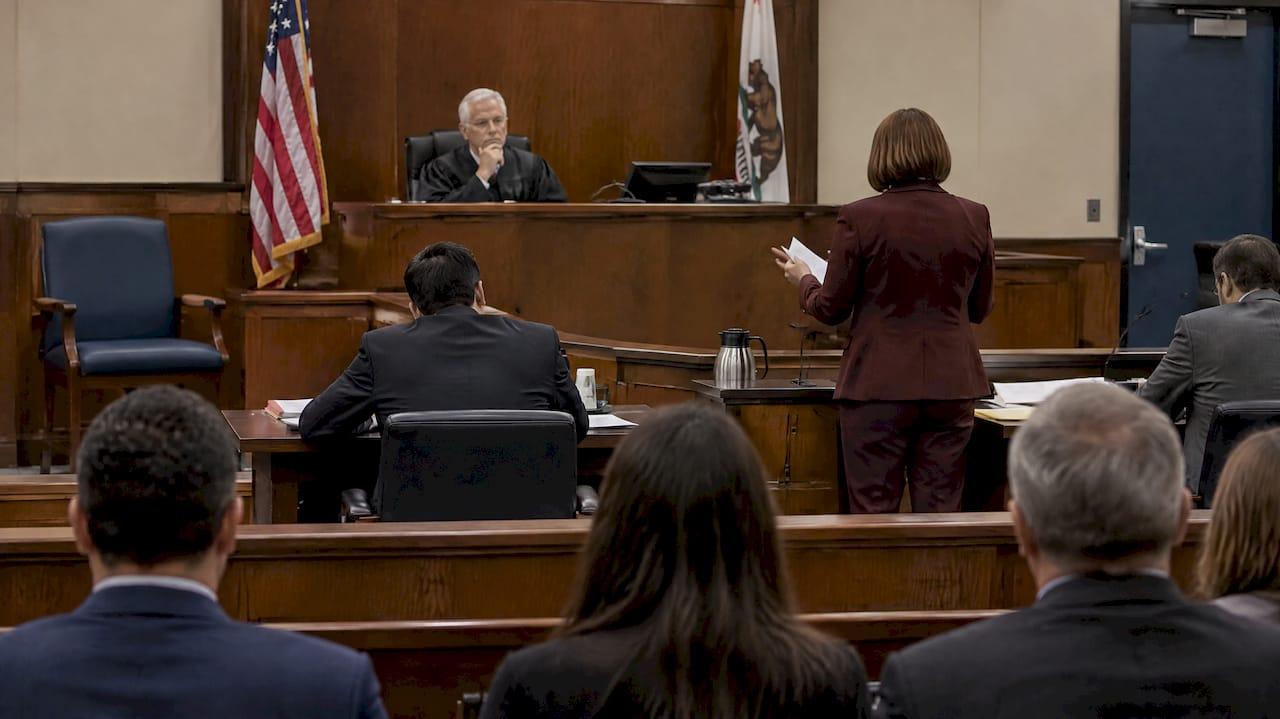
Bail is possible after an arrest on child pornography charges in California, but it is not automatic. At arraignment a judge can release the person on their own recognizance, impose supervision, set a bail amount, or keep them in jail without bail. Until that hearing, the amount usually comes from the arrest warrant or the county bail schedule. This guide explains who decides, how the number is reached, what can change it, and what a family should have ready before calling a bondsman.
TL;DR
- At arraignment, a California judge may release the defendant, impose conditions such as electronic monitoring, set bail, or order detention until the case ends.
- Before a judge sees the case, the amount generally comes from the warrant or the county's bail schedule. The judge can change it at arraignment.
- If someone stays in jail because bail was set, California law provides an automatic review within five days, unless the defendant waives it.
- Bail is a pretrial guarantee of appearance and safety. It is not a penalty, and it does not predict the outcome of the case.
- If bail is set and you want to post it, a licensed bondsman usually charges a 10% premium. We charge 8% to attorneys.
Table of Contents
- What happens in the first 48 hours
- Can someone charged with child pornography offenses get bail?
- How the bail amount is set
- Changing bail or release conditions
- Bail is not the penalty
- What to confirm before arranging release
- Our perspective
- What a bond costs and how it is posted
- Ready to post bail?
- FAQ
- Sources
What happens in the first 48 hours
After an arrest, the person is booked into a county jail. Booking is when the charges, the arrest details and any warrant are recorded. If there is no judge-set amount yet, the jail looks at the county's bail schedule, a list of presumptive amounts for each offense.
California law lets authorized jail and court officials accept cash or a certified surety bond in the amount fixed by the warrant, the county schedule or a court order, and then issue a release order. Once bail is posted, the person is discharged from custody for that offense.
The next big event is arraignment, the first court appearance. The California Courts self-help guide on arraignment says the judge may do one of four things: release on own recognizance, release with supervision such as home detention or electronic monitoring, set bail, or order the person held until the case ends. Bail in that guide is described as money that guarantees the person will return to court, and it is returned if all required appearances are made.
For a family, this means the first number you hear at the jail may not be the final one. It is a starting point.

Can someone charged with child pornography offenses get bail?
Often the answer depends on the specific charge, the facts the prosecutor presents, and the person's record. California does not have a single rule that says child pornography charges always mean no bail, and it does not promise bail either.
The judge's job is individualized. A 2026 staff memorandum from the California Committee on Revision of the Penal Code says liberty is the norm, and that cash bail should be considered only when clear and convincing evidence shows that alternatives will not protect public safety and assure appearance. The same memo says that when cash bail is necessary, the amount must be reasonably attainable and based on an individualized assessment of public safety, offense seriousness, criminal record and compliance with court orders. Public and victim safety are primary considerations.
County courts describe the same factors. The Stanislaus County Superior Court's schedule says judges must weigh public protection, seriousness, criminal history, likelihood of appearing, alternatives to money bail and ability to pay, and may not use unaffordable bail as an effective detention order. San Francisco's court fact sheet lists safety, seriousness, criminal history, flight risk, ability to pay and less restrictive conditions.
Because these cases involve minors, expect the court to give public and victim safety heavy weight. That is a reason to have a defense attorney involved before the first hearing, and to expect conditions on release if it is granted.
When a judge can order no bail
Some situations allow a judge to deny bail altogether. A 2026 San Luis Obispo Superior Court schedule identifies no-bail circumstances involving capital cases, qualifying violent or sexual-assault felonies, and qualifying felony threats of great bodily harm. Whether a particular child pornography charge falls into one of those categories depends on the exact charges filed, and that is a question for the defense lawyer and the court, not for a bondsman.
If a hold or a no-bail status is the problem, our guide on what families can do in the first 24 hours of a no-bail hold covers the practical steps.
How the bail amount is set
There are two stages.
Before a judge has acted. Section 1269b generally uses the warrant amount. If there is no warrant amount, it uses the uniform countywide bail schedule. After the defendant appears before a judge, the judge-set amount controls.
At arraignment. County schedules are presumptive amounts for warrantless arrests until a judge reviews the case. The San Luis Obispo schedule says the judge may raise or lower bail at arraignment based on the filed charges, enhancements, prior convictions, public and victim safety, seriousness, criminal history, the probability of appearing, ability to pay and less restrictive conditions.
Two practical points follow:
- The schedule amount for the arrest charge can differ from what the prosecutor files. Charges, and any enhancements, can change between the arrest and the arraignment.
- Every county publishes its own schedule on its Superior Court website. Look up the county where the person is being held, not where you live.
Changing bail or release conditions
Bail is not always final. According to the California Judicial Council's overview of pretrial law and procedure, at arraignment or at a properly noticed open-court hearing a judge may raise or lower bail, grant own-recognizance release or impose conditions. After bail is posted, later changes generally require good cause, such as changed circumstances or newly discovered facts.
The five-day review
If a person remains in jail because they cannot post the bail that was set, Penal Code section 1270.2 provides an automatic review of the bail order no later than five days after the original order. The defendant may waive it. In 2025, the Court of Appeal held in Bunker v. Superior Court that this review is a matter of right and does not require proof of changed circumstances.
Ask the defense attorney whether the five-day review is scheduled and whether the client has been advised on waiving it.
Hearings for certain serious offenses
Penal Code section 1270.1 requires an open-court hearing before a judge changes bail from the schedule amount, or grants own-recognizance release, for listed serious or violent felonies and certain domestic-violence, witness-intimidation, criminal-threat and stalking offenses. Child pornography statutes are not listed by name in that section. At a 1270.1 hearing, the court must consider past appearances, the maximum potential sentence, danger to others, threats or past violence, community ties and the ability to post bond, and it must state its reasons on the record when it departs from the schedule.
Bail is not the penalty
Families often confuse the two. Bail is a pretrial mechanism tied to appearance and safety. Penalties come only after a conviction or plea, and they vary a lot by statute and subsection.
As one example, a 2026 legal analysis of California's statutes says that knowing possession under Penal Code section 311.11(a) may carry state prison, up to one year in county jail, a fine up to $2,500, or both, and that the precise charge and sentencing classification matter. The same analysis reports longer terms for aggravated possession under section 311.11(c). Distribution and commercial conduct carry different ranges.
The point for a co-signer: posting bail does not admit anything, and the bail amount says nothing certain about the sentence. It only secures release while the case proceeds.
What to confirm before arranging release
Get these details from the jail's inmate information line, the court clerk, or the defense attorney before you call a bondsman:
- Full legal name and date of birth exactly as booked, plus the booking number.
- Which facility holds the person. Large counties have several jails, and people are sometimes transferred.
- The current bail amount and whether it comes from a warrant, the schedule or a judge's order.
- Every charge and every hold. A hold from another county, an agency or a probation or parole matter can keep someone in custody even after bail is posted on the main charge.
- Whether bail has been set at all. If the status is no bail, a bond cannot be posted until a judge acts.
- The next court date, time and department. A bond only works if the defendant appears at every hearing.
- Any release conditions the court has ordered or may order, such as no contact with minors, device restrictions or electronic monitoring.
Have the defense attorney's name and number ready too. If the attorney is hired, mention it when you call: we apply our attorney discount automatically.
Our perspective
Families calling about these charges are usually in shock, and they often get passed between call centers. We do it differently: you speak with us directly, and we are licensed in all 58 California counties.
Our approach is to be plain about the order of events. The judge decides whether and how bail is set. Our job starts when there is a number to post: explaining the premium, the co-signer's responsibilities, the payment options available to qualified co-signers, and the court dates the defendant must make.
We also stay with you after release. A bond is a promise that someone will appear in court, and we help families keep that promise by guiding them through each date.
Jake
What a bond costs and how it is posted
When a judge or schedule sets a bail amount and the family does not post the full sum in cash, a bail bond is the usual route. Our published premium is 10% of the bail amount, with an 8% rate for attorneys. We also offer payment plans and 0% down options to qualified co-signers, and consultations are free.
A short example using only our listed percentages: on $50,000 bail, the 10% premium is $5,000, and the 8% attorney rate is $4,000. Bondsmen need a co-signer who is financially responsible if the defendant misses court, which is why the co-signer should understand every court date before signing.
If the bond is secured by something other than a standard surety bond, our comparison of property bonds versus surety bonds explains the difference. For the full sequence from call to release, see how bail bonds work step by step, and for felony cases specifically, the 24 to 72 hour felony bail checklist.
If a PC 1275 hold is on the case, the judge may require the source of bail money to be shown at a hearing before a bond can be accepted. We explain that process on our PC 1275 hold page, and it is a specialty of ours.

Ready to post bail?
If bail has been set and you are ready to move, call us any time. We work around the clock, handle felony and misdemeanor bonds across California, and can start the paperwork online. Review our felony bail bonds page or go to our homepage for a free consultation. Bilingual support is available in Spanish, Hindi and Arabic.
If you are not in California, you can still help. Our guide to bailing someone out from another state covers how it works remotely.
FAQ
Can a judge deny bail on child pornography charges in California?
Yes. At arraignment a judge may set bail or keep the defendant in jail without bail until the case ends. The decision turns on the charges filed, public and victim safety, criminal history and the likelihood of appearing. A defense attorney can tell you how the facts of the specific case may affect that.
Is the county bail schedule the final amount?
No. The schedule is a presumptive amount used before a judge reviews the case. At arraignment the judge may raise it, lower it, grant release on own recognizance or add conditions. Check the schedule of the county where the person is held, then confirm the amount again after arraignment.
Can bail be reviewed after it is set?
Yes. If a person is held because they cannot pay, California law provides an automatic review within five days of the order, unless the defendant waives it. Later changes after bail is posted generally need good cause, such as new facts or changed circumstances.
How much does a bail bond cost?
Our premium is 10% of the bail amount, and attorneys receive our 8% rate. Qualified co-signers may be eligible for 0% down or payment plans. Call us for a free consultation on your specific amount.
Does posting bail mean the person is guilty?
No. Bail guarantees that the person returns to court and is returned when all required appearances are made. It is separate from any penalty, which can only follow a conviction or plea.
Sources
- The arraignment, California Courts Self-Help Guide
- California Penal Code section 1269b
- California Penal Code section 1270.1
- California Penal Code section 1270.2
- Staff Memorandum 2026-09, Committee on Revision of the Penal Code
- San Luis Obispo Superior Court 2026 bail schedule
- Stanislaus County Superior Court bail schedule
- San Francisco Superior Court bail fact sheet
- Pretrial Law and Procedure: an Overview, California Courts
- Bunker v. Superior Court (2025)
- California Child Pornography Laws: PC 311 and 311.11