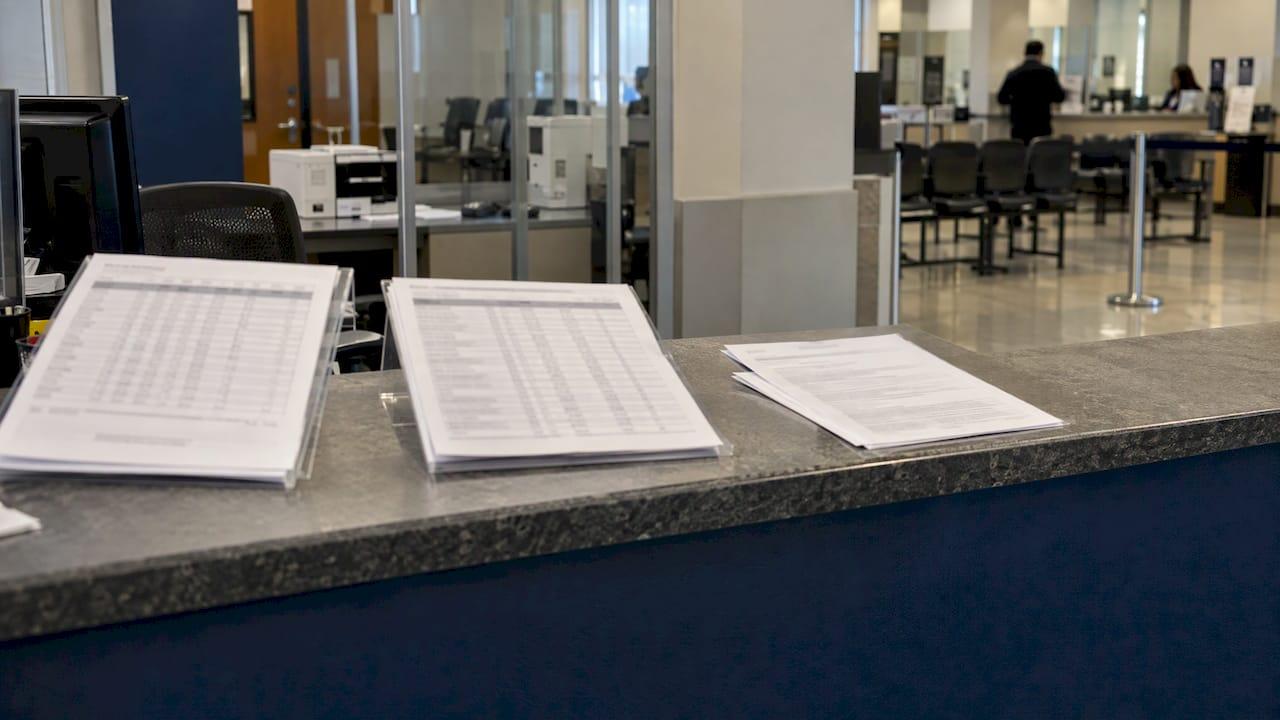
After an arrest in Contra Costa or Solano County, bail is set from a county schedule, adjusted by a judge at the first court appearance, and paid either in full or through a bail bond. You can start that bond right away, at any hour. Jake Hernandez Bail Bonds is licensed in all 58 California counties, and you deal directly with us, not a call center. A free consultation tells you the amount, the premium and what the co-signer needs before anyone is booked out.
This guide covers what happens in the hours and days after an arrest, what the county schedules say, who cannot get bail, and what a bond costs and requires of you.
TL;DR
- Bail is first set from the county's uniform bail schedule, then a judge can raise or lower it at the first appearance.
- Contra Costa's revised bail schedule and a pre-arraignment release protocol took effect July 8, 2026. Some people with non-violent, non-serious charges are released without paying anything.
- A bail bond premium is 10% of the bail amount. Attorneys get our 8% rate. Qualified co-signers can ask about 0% down options and payment plans.
- Serious and violent felonies, and some domestic violence and warrant cases, need a court hearing before bail can be changed or posted at a different amount.
- Call us any time, 24/7, before you go to the jail. The sooner the paperwork starts, the sooner the release process can begin.
Table of Contents
- What happens right after an arrest
- Contra Costa: the July 2026 changes
- Solano County: what the schedule looks like
- Who may not get bail
- The ways bail can be handled
- What a bond costs
- Starting a bond: what you need
- What the co-signer is agreeing to
- Why judges' bail decisions can differ from the schedule
- Our perspective
- Start the bond today
- FAQ
- Sources
What happens right after an arrest
The first hours decide how the rest of the case goes, so it helps to know the order of events.
- Booking. The person is fingerprinted, photographed and entered into the jail system. Families often cannot get a bail amount until this is done.
- Bail is set from a schedule. Per the Solano County Superior Court's bail page, bail before a first appearance is the amount written on the arrest warrant. If there is no warrant, the Solano County Sheriff sets it from the county's uniform bail schedule.
- Pre-arraignment review. Under California's SB 10 rules, pretrial assessment services must review eligible low- and medium-risk arrestees within 24 hours of booking. That window can be extended by up to 12 hours for good cause.
- Arraignment. This is the first court hearing, where the person is formally told of the charges. According to the Solano County Public Defender, the lawyer asks the judge at this point to release the person without bail or to set bail at a fair amount.
- Release. Once bail is paid or a bond is posted and the paperwork clears, the jail processes the release.
The schedule amount is a starting point. At the first appearance a judge or magistrate sets bail under Penal Code §1270.5's companion rules, and the Solano court explains that the figure may be higher or lower than the schedule.
Contra Costa: the July 2026 changes
Contra Costa's courts revised the county bail schedule this year. The Superior Court's press release describes a new Pre-Arraignment Release Protocol effective July 8, 2026. Under it, eligible people arrested for non-violent, non-serious offenses are released without bail in one of two ways:
- Cite and Release: released at the scene with a citation to appear in court.
- Book and Release: released after booking, with no bail posted.
The protocol does not cover everyone. Per the same release, people arrested for serious or violent crimes designated by the California Constitution or Penal Code §1270.5 are not eligible. They can post money bail for release before arraignment under §1270.1. Anyone on felony probation, parole, post-release community supervision or mandatory supervision is also ineligible, though release conditions may be revisited at arraignment.
The court's criminal division page lists the 2026 felony and misdemeanor bail schedules and a standing order dated July 8, 2026. Read the schedule for the exact charge before you decide anything. If your family member's charge is a felony, our Contra Costa felony bail bond page covers how those releases work locally.
Solano County: what the schedule looks like
Solano publishes its presumptive amounts, which gives families a realistic picture before the first call. Under Penal Code §1269b, superior court judges must adopt and revise a countywide schedule every year, weighing the seriousness of the offense and aggravating factors. According to the Solano court's bail page:
| Offense type | Presumptive bail |
|---|---|
| Felony, 3-year maximum term | $25,000 |
| Felony, each additional year of maximum term | Add $15,000 (10 years is $105,000) |
| Felony punishable by life | $750,000 |
| Life without parole | $1,000,000 |
| Misdemeanor, 90-day maximum | $1,600 |
| Misdemeanor, 180-day maximum | $5,000 |
| Misdemeanor, 365-day maximum | $7,500 |
| Misdemeanor probation violation | $15,000 |
| DUI, 1st / 2nd / 3rd offense | $5,000 / $7,500 / $15,000 |
The same page says murder is "No Bail Until Set By Court," and murder with special circumstances and felony probation violations are "No Bail." It also notes that misdemeanor defendants are entitled to release on their own recognizance (a written promise to appear, with no money) unless release would compromise public safety or court appearance.
These are presumptive figures. They change annually, so check the current schedule or call us and we will pull the number for the specific charge. For felony cases at the top of the range, our bonds run from $1,000 up to $1,000,000.

Who may not get bail
Not every arrest leads to a bail amount you can pay. Three situations come up most.
Capital and violent-threat cases. Under California Constitution article I, section 12, as summarized in a California court bail schedule, people charged with capital crimes where the facts are evident or the presumption great are not entitled to bail. The same applies to certain violent felonies where a judge finds by clear and convincing evidence a substantial likelihood of great bodily harm to others if the person is released.
Serious felonies and domestic violence. Penal Code §1270.1 requires an open-court hearing before someone arrested for a serious felony, a violent felony, or certain domestic violence and stalking offenses can be released on bail at any amount other than the scheduled one, or on their own recognizance. The hearing must be held within the time in Penal Code §825. If your family member was arrested on a domestic violence charge, our domestic violence bail bond page for Contra Costa explains how we approach it.
Warrants. When a court issues a bench or arrest warrant for failure to appear, it can note on the warrant whether the person should be booked and released or held. The SB 10 summary says that note binds the booking agency but not later decisions by pretrial services or the court. If the arrest came from a missed date, see our bench warrant bail bond page.

A judge can also decide at arraignment not to set bail, and then the person stays in custody until the case ends, according to the California Courts self-help guide. That guide lists the factors: the type of crime, whether it involved domestic violence, public safety and flight risk.
Immigration holds are a separate track. The Contra Costa Sheriff states that no one is denied the right to bail if otherwise eligible, and that it does not hold anyone past their normal release date. For federal immigration bonds, we handle those as well; see our immigration bail bond page for Contra Costa County.
The ways bail can be handled
At arraignment, the California Courts self-help guide says a judge may:
- release the person on their own recognizance;
- release them under supervision, such as home detention or an ankle monitor;
- set bail, with the person returning to jail until it is paid;
- set no bail.
When bail is set and the family cannot or does not want to hand the court the full amount, a bail bond is the practical route. In a bond, a licensed bondsman guarantees the full bail amount to the court, and the family pays a premium. The court's own guide notes that bail money comes back if the person appears at every court date, which is why showing up matters whichever way bail is paid.
What a bond costs
Our premium is 10% of the bail amount, and attorneys get our 8% rate. The full breakdown is on our bail bond cost page. Here is how that works on the Solano figures above:
| Bail amount | 10% premium | Attorney rate (8%) |
|---|---|---|
| $1,600 | $160 | $128 |
| $5,000 | $500 | $400 |
| $25,000 | $2,500 | $2,000 |
| $105,000 | $10,500 | $8,400 |
An attorney discount is applied automatically. If the premium is more than the family can pay at once, we offer 0% down options and payment plans for qualified co-signers, and we have a page for $500 down bail bonds in California. Military discounts are also available.
A judge's decision at arraignment can change the amount, and bail can be lowered after a hearing. If the number moves, the premium moves with it, so ask us to recalculate rather than assume.
Starting a bond: what you need
The person signing is the co-signer, also called the indemnitor. They take responsibility to make sure the defendant appears in court. Here is the routine, with what we do at each step.
- Gather the basics. Have the full name, date of birth, the jail where the person is held and, if you have it, the booking number. If you are missing something, we can help you work out where the person is being held.
- Call or apply online. We are available 24/7, with bilingual support in Spanish, Hindi and Arabic. The consultation is free, and you speak with us directly, not a call center. You can also start on our online bail bonds page.
- Confirm the bail amount and premium. We calculate the premium and tell you whether a payment plan or 0% down option may fit your situation as a co-signer.
- Sign the paperwork. The co-signer signs the indemnity agreement and the bond application.
- We post the bond. The jail processes the release. Timing depends on the facility's workload and on whether any holds apply.
- Make every court date. We provide court-date support and personal guidance through each one.
For misdemeanors that fall outside the SB 10 exceptions, the SB 10 summary says the person is released, or released within 12 hours of booking if booked. For other charges, the jail's own release process sets the pace, and a complex hold, such as a 1275 hold, can add steps. We specialize in those.
What the co-signer is agreeing to
Signing is the serious part. If the defendant misses a mandatory court date, the bond can be forfeited, meaning the court demands the full bail amount. The Solano court's criminal court page says that if a bond was forfeited, someone must appear at the next hearing with a Reassumption of Liability form obtained through the bond company. Our guide to how bail forfeiture proceedings work explains the timeline.
The practical rule is simple. Write down every court date, make sure the defendant has a ride, and call us the moment something goes wrong. A missed date reported early is far easier to fix than one discovered weeks later.
Why judges' bail decisions can differ from the schedule
At arraignment, judges are not locked into the schedule. A court bail schedule citing Penal Code §1275(a) lists the factors: protection of the public and the victim, seriousness of the offense, the person's record and the probability of appearing. The same document says judges must also consider the person's ability to afford bail and whether non-financial conditions would be enough, following In re Humphrey (2021). A lawyer can use that at the first hearing, which is why an attorney in place early matters. Attorneys can work with us at the 8% rate.
Our perspective
Families call us at 2 a.m. with a booking number and a lot of fear. What they need is a person who knows the county, picks up, and tells them the number plainly.
That is how we work. You talk to us directly, with no call center in between. We are licensed across all 58 counties, so Contra Costa and Solano are handled the same way as the rest of the state. We speak Spanish, Hindi and Arabic, because stress is hard enough in a second language.
The cost should never be a surprise. The premium is 10%, attorneys get 8% automatically, and qualified co-signers can ask about 0% down and payment plans. We stay with you through every court date, because a bond works best when the defendant shows up.
Jake
Start the bond today
If someone you love is in a Contra Costa or Solano County jail, the next step is a call. We cover bonds from $1,000 to $1,000,000, federal and immigration bonds, and complex 1275 holds, with free consultations around the clock. Tell us the name and the jail and we will give you the amount and a plan.
Ready to begin? Visit Jake Hernandez Bail Bonds to get started, or see our misdemeanor bail bonds and felony bail bonds pages for the charge you are dealing with. If you live near the county line, our guide to the Stockton bail process in San Joaquin County is another useful companion.
FAQ
Can someone bail themselves out of jail in California?
Yes, if bail is set and the person or their family pays it, or a bond is posted for them. Because the person is in custody, a relative or friend normally handles the paperwork as co-signer. If the judge sets no bail, release is not possible until the court changes that.
How much does a $75,000 bail bond cost?
At our 10% premium, a $75,000 bond is $7,500. At the 8% attorney rate it is $6,000. Qualified co-signers can ask about 0% down options and payment plans, and the bail bond cost page has the details.
Why would someone have no bail in California?
A judge can decline to set bail for capital offenses and for certain violent felonies where the court finds a substantial likelihood of serious harm if the person is released. Some warrants and probation or parole violations also carry no bail. A judge can also decide at arraignment not to set bail, based on the charge, public safety and flight risk.
Does Contra Costa still require bail for every arrest?
No. Under the protocol effective July 8, 2026, eligible people arrested for non-violent, non-serious offenses are released by citation or after booking without posting bail. People arrested for serious or violent crimes, or who are on felony probation, parole or similar supervision, are not eligible and may post money bail.
How fast can release happen after a bond is posted?
It depends on the jail's processing and any holds. For misdemeanors outside the state's exceptions, the law calls for release within 12 hours of booking. We start the paperwork as soon as you call, so nothing waits on us.
Sources
- Bail Information, Solano County Superior Court
- Contra Costa Superior Court press release on the bail schedule and PARP
- Contra Costa Superior Court, Criminal division
- Summary of release and detention process under SB 10, California Courts
- Stages of the Court Process, Solano County Public Defender
- The arraignment, California Courts Self Help Guide
- Penal Code §1270.1, Justia
- San Luis Obispo Superior Court 2025 bail schedule
- Immigration Myth vs. Fact, Contra Costa Sheriff
- Criminal Court, Solano County Superior Court