
An emergency bail bond is defined as a surety bond posted by a licensed bondsman to secure an inmate's release within hours of arrest. Getting an emergency bail bond fast requires three things: accurate information about the inmate, a licensed 24/7 bondsman who knows the local jail, and payment ready for the standard 10–15% non-refundable premium. Jakehernandezbailbonds handles bonds from $1,000 to $1,000,000 across all 58 California counties, with 0% down options available for qualified co-signers. Speed comes from preparation, not luck.
What is the fastest way to post bail for emergency release?
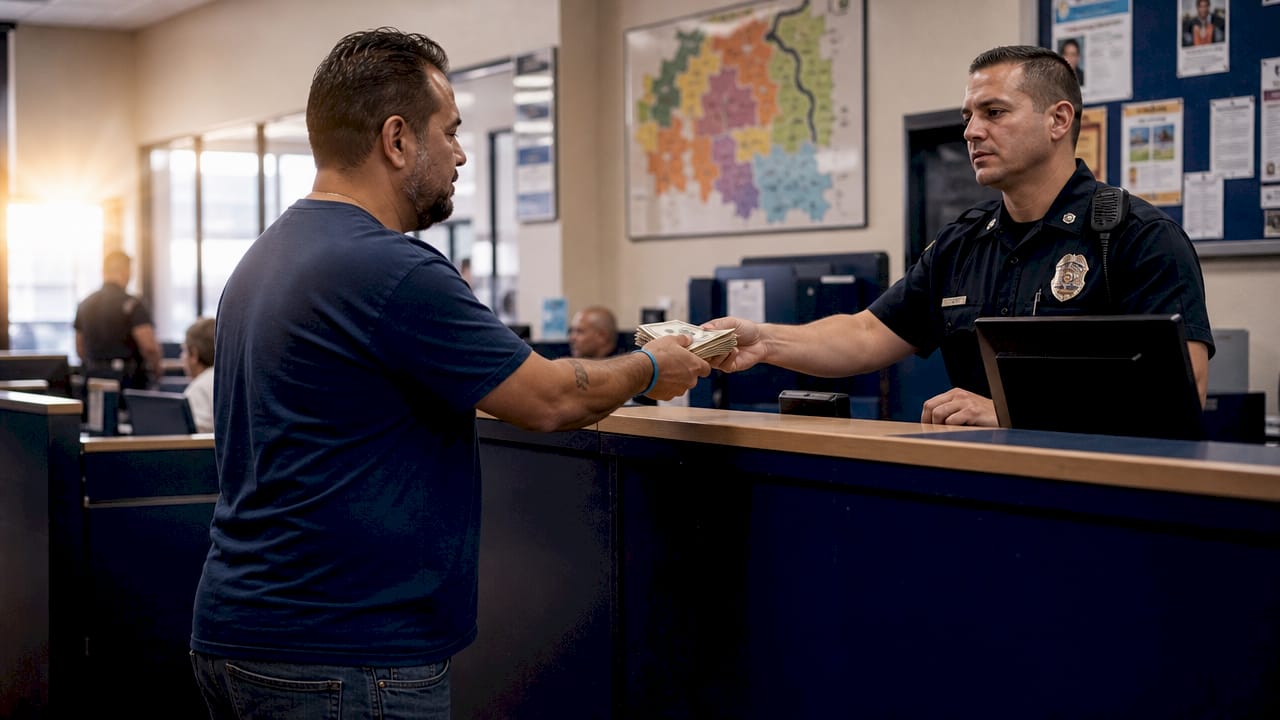
The fastest way to post bail is at the police department level, before the inmate transfers to a county jail. Posting bail at this stage can result in release within 20–60 minutes. Once a person transfers to a large county facility, that window closes fast.
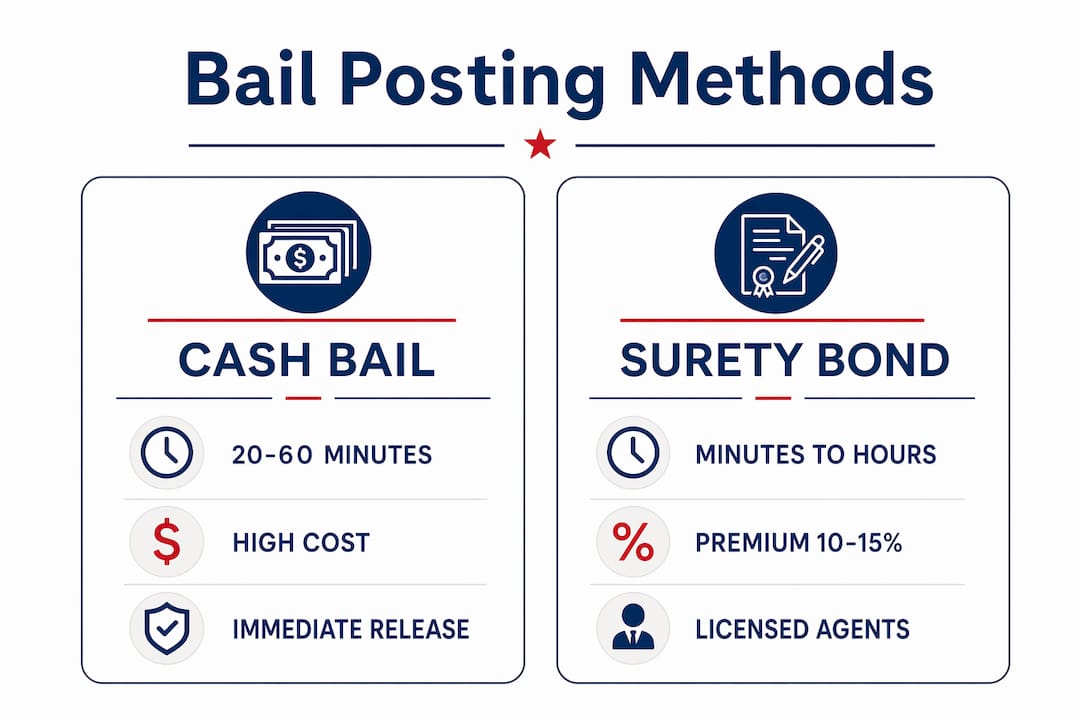
Cash bail is the most direct method. You pay the full bail amount to the court or jail, and release follows once processing clears. The downside is obvious: few families have $50,000 or more in liquid cash on hand during an emergency.
A surety bond through a licensed bondsman is the practical alternative. Surety bonds require a premium of 10–15% of the total bail amount, and that fee is non-refundable. In exchange, the bondsman posts the full bail amount, and processing typically takes 1–4 hours after initial contact.
Electronic bond filing removes the need for in-person paperwork and cuts processing time from roughly 45 minutes down to under 10 minutes. Remote indemnity agreements let co-signers sign documents from anywhere, which matters when family members are out of state.
| Method | Typical speed | Cost | Best for |
|---|---|---|---|
| Cash bail at police station | 20–60 minutes | Full bail amount | Minor charges, small bail amounts |
| Surety bond (bondsman) | 1–4 hours after contact | 10–15% premium | Most situations, larger bail amounts |
| Electronic bond filing | Under 2 hours | 10–15% premium | Out-of-state co-signers, remote situations |
| Personal Recognizance (PR) | 24–48 hours if denied | Free | Low-risk defendants only |
Pro Tip: Never count on a Personal Recognizance bond for fast release. Waiting for a PR decision can add 24–48 hours of detention if the court denies it. A surety bond through a licensed bondsman is the reliable path.
What documents and information do you need for fast bail bond processing?
The fastest bail bond processing checklist starts with four pieces of information you must have before calling a bondsman.
- Inmate's full legal name (exactly as it appears on their ID)
- Booking number (available from the jail's public records line or online inmate locator)
- Facility name and address where the inmate is held
- Bail amount, if it has already been set by a judge or the jail's bail schedule
Beyond those four items, you need payment ready. Confirming facts before acting is the single most effective way to avoid losing time. A bondsman who receives incomplete information must pause and verify, which adds delays you cannot afford.
You also need a valid government-issued photo ID for the co-signer. The co-signer signs an indemnity agreement, which is a legal document making them financially responsible if the defendant fails to appear in court. Electronic indemnity agreements can be signed remotely, so physical presence at the bail office is not required.
| Item | Why it matters |
|---|---|
| Inmate's full legal name | Prevents misidentification and paperwork errors |
| Booking number | Confirms the inmate's status and location instantly |
| Facility name and location | Determines which bondsman has local jurisdiction |
| Bail amount | Allows bondsman to calculate premium and prepare paperwork |
| Co-signer photo ID | Required to execute the indemnity agreement |
| Payment method | Clears the financial step without back-and-forth |
Pro Tip: Keep your phone charged and nearby after contacting a bondsman. Clear communication with the bondsman and jail staff is the fastest way to prevent administrative delays. Missed calls from the bondsman add hours.
How long does emergency bail release usually take?
Release time after bail is posted depends on the facility, the time of day, and whether any complications arise. The best-case scenario is 20–60 minutes at a small local jail during daytime hours. At large, high-volume county jails, release can take 4–12 hours after the bond is posted.
The most common delays fall into three categories:
- Warrant checks: An outstanding warrant in another jurisdiction stops release immediately, even after bail is fully posted. Families rarely know about these warrants in advance.
- Shift changes: Jails run on shift schedules. A bond posted during a shift change sits in a queue until the incoming crew processes it.
- Late-night postings: Posting bond between 10:00 PM and 6:00 AM is the slowest window. Skeleton crews prioritize security over paperwork, and release slows significantly.
Daytime postings with electronic filing average 2–6 hours at county jails. Smaller local facilities can process release in 30–60 minutes under the same conditions. Knowing which facility holds the inmate matters because release times vary widely by facility size. A bond posted at Men's Central Jail in Los Angeles moves through a different queue than one posted at a smaller city jail.
The one factor families cannot control is the warrant check. Every jail runs one before releasing any inmate. If a warrant exists, release stops until that issue resolves separately. A good bondsman will flag this risk early and help you understand your options.
Steps to take immediately after arrest to secure fast release
Speed comes from moving through each step without hesitation. Here is the exact sequence that produces the fastest result.
-
Confirm the inmate's location and booking status. Call the arresting agency or check the county's online inmate locator. Do not assume the inmate is at the nearest jail. Transfers happen quickly and without notice.
-
Find out if bail has been set. Some charges carry a preset bail schedule, meaning bail is available immediately after booking. Other charges require a bail hearing, which adds time. Knowing which situation you face tells you how fast you can move.
-
Contact a licensed 24/7 bondsman with local experience. A bondsman who knows the specific jail processes paperwork faster and gives you accurate timing estimates. Jakehernandezbailbonds operates across all 58 California counties and is available around the clock, including holidays.
-
Gather all required documents and information. Use the checklist from the previous section. Have the booking number, facility name, inmate's full legal name, and your photo ID ready before the call ends.
-
Complete paperwork and arrange payment without delay. Sign the indemnity agreement electronically if that option is available. Confirm the premium amount and payment method immediately. Every hour of delay in this step is an hour the inmate stays in custody.
-
Stay calm and keep communication open. Panic is the biggest hurdle to fast release. Families who stay focused and respond quickly to bondsman requests cut processing time significantly.
Pro Tip: Work with a bondsman who has direct experience at the specific jail holding your family member. Local agents know the intake staff, the shift schedules, and the fastest filing methods for that facility. That knowledge is worth more than any advertised processing speed.
Key Takeaways
A surety bond through a licensed, local 24/7 bondsman is the fastest and most reliable method to secure emergency bail release, provided you have accurate inmate information and payment ready before making the call.
| Point | Details |
|---|---|
| Post bail early in the process | Bail posted at the police station level can release someone in 20–60 minutes. |
| Use a surety bond, not a PR bond | Waiting for a PR bond decision risks 24–48 extra hours in custody if denied. |
| Prepare your checklist first | Booking number, facility name, inmate's full name, and payment method must be ready before you call. |
| Avoid late-night postings when possible | Bonds posted between 10:00 PM and 6:00 AM face the slowest processing due to limited staffing. |
| Warrant checks can stop release | An outstanding warrant halts release even after bail is fully posted. |
What I've learned after years of emergency bail calls
The families who get their loved ones out fastest are never the ones who know the most about the law. They are the ones who stay calm, have the right information ready, and call a bondsman who picks up the phone.
The most common mistake I see is families spending the first two hours calling the wrong numbers, guessing at the booking number, or waiting to see if a PR bond comes through. That waiting costs real time. A PR bond sounds appealing because it is free, but courts grant them selectively, and the wait for a denial can stretch past 24 hours. A surety bond through a licensed agent moves the moment you sign.
The second mistake is underestimating how much facility size matters. A bond posted at a large county jail at 11:00 PM on a Friday will not process until Saturday morning at the earliest. That is not a failure of the bondsman. That is the reality of how large facilities operate. A bondsman with local experience will tell you this upfront and set honest expectations, which is far better than false promises.
My advice is direct: do not wait to see what happens. Confirm the location, get the booking number, and call a bondsman who operates 24/7 and knows the specific jail. The bail hearing process can feel confusing, but a good agent walks you through every step. Preparation and a calm, clear head are the two things that actually move the needle.
— Jake
Jakehernandezbailbonds: 24/7 emergency bail bond services across California
Jakehernandezbailbonds is available around the clock, every day of the year, across all 58 California counties. When you call, you reach a licensed agent directly, with no call center and no middleman slowing things down.
The team handles paperwork remotely using electronic filing and digital indemnity agreements, which cuts processing time and removes the need for in-person visits. Payment options include 0% down for qualified co-signers and flexible payment plans, with premiums starting at the California standard rate. Whether the inmate is held at Men's Central Jail in Los Angeles or a smaller county facility, Jakehernandezbailbonds has local experience at that specific location. Call now or visit Jakehernandezbailbonds to start the process immediately.
FAQ
What is an emergency bail bond?
An emergency bail bond is a surety bond posted by a licensed bondsman to secure an inmate's release as quickly as possible after arrest. The bondsman pays the full bail amount in exchange for a non-refundable premium of 10–15% from the co-signer.
How fast can someone be released after bail is posted?
Release at a small local jail can happen in 30–60 minutes after the bond is posted. Large county jails typically take 4–12 hours, with daytime electronic filings averaging 2–6 hours.
What information do I need to get a bail bond fast?
You need the inmate's full legal name, booking number, the name and address of the facility, and the bail amount if it has been set. Having these ready before you call a bondsman removes the most common source of delay.
Can I get a bail bond at 2:00 AM?
Yes. Licensed 24/7 bail bond services like Jakehernandezbailbonds post bonds at any hour. The bond can be filed overnight, though release from large facilities may not process until daytime staffing resumes.
What stops release even after bail is posted?
An outstanding warrant in another jurisdiction will halt release immediately after the jail's mandatory warrant check. The warrant must be resolved separately before the inmate can be freed, regardless of bail status.