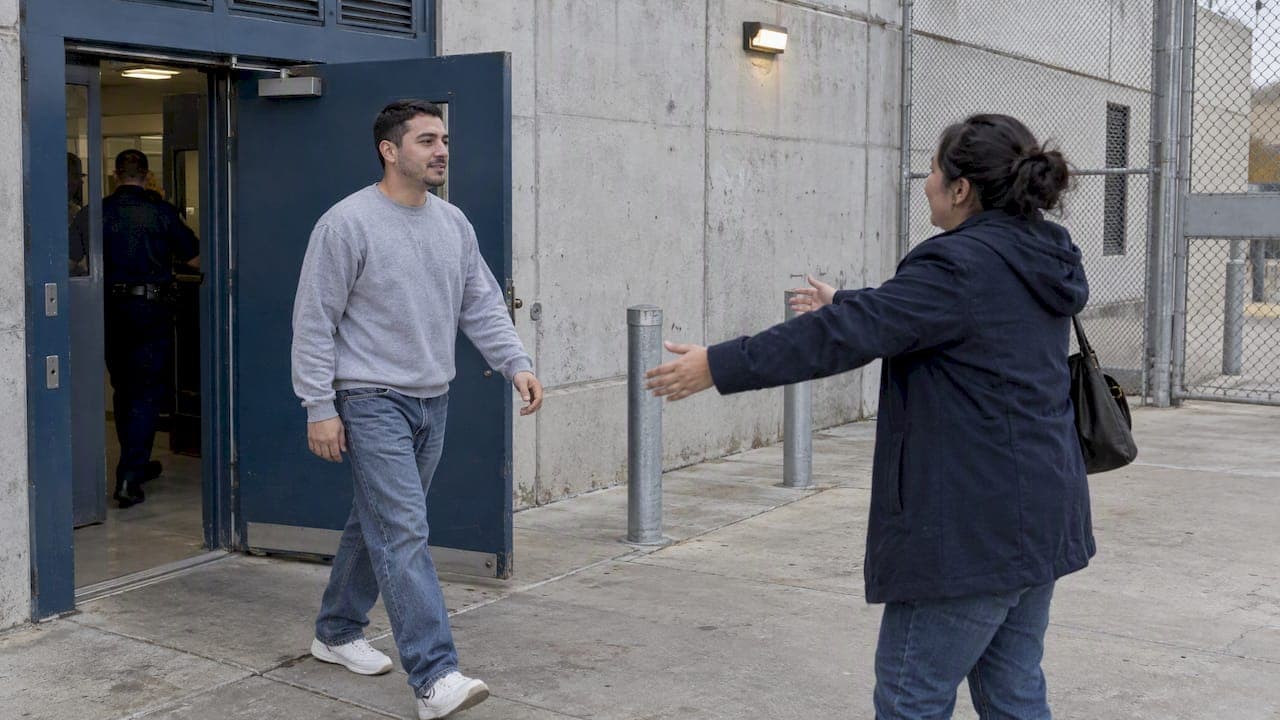
A person arrested in Riverside County leaves jail in one of four ways: a cite or book-and-release, a release on their own promise, a posted bail (cash or bond), or a court order after arraignment. Which one applies depends on the charge, any holds, and the point in the case. Below is what happens in each path, how long it tends to take, and what you can do at every stage.
TL;DR
- Since October 2025, Riverside County sorts many offenses into Cite and Release or Book and Release, which need only a signed promise to appear. Other cases wait for bail under the schedule or for a judge's review.
- Paying bail does not mean instant release. Identity checks, paperwork and jail workload add hours, and weekends and holidays are slower.
- A hold, such as an immigration hold or a PC 1275 hold, can keep someone in custody even after bail is posted.
- Bail refunds from the court usually take 6 to 8 weeks. They are not paid at the next hearing.
- Missing the court date on the release paper forfeits bail and can lead to a new warrant.
Table of Contents
- What happens from arrest to release
- How long release actually takes
- Step by step: getting someone out on a bond
- Holds that block release
- Felony vs. misdemeanor: does the process change?
- What we see in Riverside County
- After release: the part families forget
- If the person is still inside
- Posting bail without paying the full premium up front
- FAQ
- Sources
What happens from arrest to release
The process is the same in outline whether the arrest happened in Riverside, Moreno Valley, Corona or Temecula. The person is arrested, taken to a county facility and booked. Booking means fingerprints, photographs, a records and warrant check, and a medical screening. Charges are recorded, and the jail determines what bail amount applies and whether any other agency has a hold.

The Riverside County Sheriff's Office runs the jails through its Corrections Division, and the county's jail information page points to facility details, inmate information and visiting schedules. The facilities include the Robert Presley Detention Center in Riverside, the Larry D. Smith Correctional Facility, the John Benoit Detention Center, the Cois Byrd Detention Center and the Blythe jail. The Sheriff's inmate information system lets you search by booking date at each of them.
From booking, the road splits.
Path 1: Cite and release or book and release
Riverside Superior Court's bail schedule now labels offenses by category. As of October 2025, many offenses are marked CR (Cite and Release) or BR (Book and Release). Those require only a signed promise to appear, not cash bail. Cite and release happens in the field or at intake. Book and release happens after the person has been fully booked.
Other offenses are marked PAR (Pre-Arraignment Review) or AR (Arraignment Review). For AR cases, bail is set under the schedule until a judicial review takes place. If your relative's charge is in one of these categories, bail is probably the way out before arraignment.
Path 2: Posting bail
When the schedule sets an amount, someone can pay it in full (cash bail) or use a bail bond. The Robert Presley Detention Center accepts bail around the clock in its lobby, by cash or bond, according to a California criminal defense firm's facility guide. Bonds are normally filed by the bondsman, not the family.
The amount comes from the schedule, but the schedule is not the last word. A judicial officer weighs the safety of the victim and the public, the seriousness of the charge and the likelihood the person returns to court. Those factors come from Penal Code §1275 and the California Constitution, as the court's schedule lists them. A defense attorney can ask for a hearing to lower bail or request release without bail.

Path 3: Release by the court
At arraignment, a judge can lower bail, set conditions, release the person on their own recognizance, or leave bail as it is. If someone is still in custody at this point, ask the attorney or the public defender what was decided and whether bail changed.
How long release actually takes
Nobody can promise a time. The Sheriff's own facility page lists release processing as varying by custody status and says timing depends on holds, booking status, staffing and processing volume. Local defense lawyers describe a range from a few hours to more than twelve after payment, with weekends, holidays and busy arrest periods running slower. Treat that as an estimate and not a guarantee.
What tends to slow a release:
- Booking is not finished. Someone arrested an hour ago may not be fully processed. Bail can often be posted only after booking.
- Medical or mental health screening at intake.
- Warrants or holds from another county, state or agency.
- Paperwork errors, such as a wrong booking number, a misspelled name or a missing signature.
- Shift changes and high volume, especially Friday nights.
A practical point: get the booking number first. It is the fastest way to confirm the bail amount and the facility. If the person is not in the online system yet, wait and call again. The county notes that online locators are informational only. If a name is missing, the person may have been transferred or only just processed, so check with official channels instead of assuming the system is broken. Our own Riverside County inmate search page walks through the lookup step by step.
Step by step: getting someone out on a bond
- Find the person. Use the Sheriff's inmate search by name or booking date. Note the facility, booking number, bail amount and charges.
- Call a bondsman. Have the booking number, the person's full name and date of birth, and the charge ready.
- Decide who co-signs. The co-signer (also called the indemnitor) is the person who takes responsibility for the defendant appearing in court. Usually this is a family member or friend with steady income or assets.
- Pay the premium. California bail bonds carry a premium. Ours is the standard 10% of the bail amount, and attorneys get an 8% rate. For example, on a $20,000 bail, 10% is $2,000 and 8% is $1,600. Details are on our bail bond cost page.
- Sign the paperwork. Many agreements can be signed electronically. See how online bail bonds work if you are not near the jail.
- The bond is posted at the jail. The jail verifies it and starts release processing.
- Pick-up. Release usually happens at the facility where the person was held. Plan for waiting, and for an unpredictable hour.
- Write down the court date. Before leaving the jail, make sure the person has the release paperwork and knows the date, time and courtroom.
A note on the premium
The premium is the fee for the bond, and it is not refunded when the case ends. That is different from cash bail paid directly to the court, which can be returned. Court refunds are processed on court order and typically take 6 to 8 weeks to be mailed to the original depositor, so do not expect money back on the day of the hearing.
Holds that block release
Sometimes bail is posted and the person still does not walk out. The usual reasons:
- Warrants from another county. The person has to be dealt with there first.
- Probation or parole holds.
- Immigration holds. Federal authorities may request custody. Federal immigration bonds work differently from state bail. See our page on immigration bail bonds in Riverside County.
- PC 1275 holds. In some cases a judge requires proof that bail money came from a legitimate source before accepting it. We explain how the bail source hearing works on our PC 1275 hold page.
A hold is the main reason a family will hear that someone is "bailed out but still inside." Ask the bondsman or the jail records unit which hold is listed and which agency placed it.
Felony vs. misdemeanor: does the process change?
The steps are the same. The differences are the amount and how much attention the case gets. Felony bail is often higher, so the premium is larger and the underwriting is more careful. The bail schedule lists both felony and misdemeanor amounts, and many lower-level misdemeanors fall into the cite or book-and-release categories, so no bond is needed. For serious charges, read our guides to felony bail bonds in Riverside County and to misdemeanor bail bonds.
What we see in Riverside County
Families call us at 2 a.m., scared, and ask the same question: how fast. The honest answer is that we control our part, which is the paperwork and the posting, and the jail controls the rest. We tell people that straight, so they are not left staring at the door for hours with the wrong expectations.
The mistakes we see most are small ones. A booking number copied wrong. A co-signer who does not know the bail amount until the premium is due. A defendant who walks out without writing down the court date. Missing court costs far more than any premium, because it forfeits the bond and can lead to a new warrant and a new arrest.
That is why we work directly with the family. No call center and no handoff between strangers. We pick up, we explain the numbers, and we stay with the case through each court date. We cover all 58 California counties and speak Spanish, Hindi and Arabic, because stress is hard enough in one language.
— Jake
After release: the part families forget
The court date is absolute
Failure to appear brings automatic bail forfeiture and a new warrant. Even minor confusion about the date can lead to re-arrest. Put the date, time and courtroom in every phone calendar in the family. If it changes, check with the attorney and the court clerk, not just the jail.
If the court calendar and jail records do not match
Jail-side data and the court's calendar can differ. If a name does not appear on the public calendar, the Criminal Clerk's Office is the most reliable place to confirm status, as long as you bring the arrest and release paperwork. The court's criminal division page has the details.
Keep the lines open
The person you bailed out should not drop out of contact with you. If they move, change phones or lose a job, tell the bondsman and the attorney before it becomes a problem.
If the person is still inside
Some people stay in custody for a while. A few practical points for families:
Visits. Inmates are allowed two 45-minute visits per week. Schedule at least a day ahead by calling the facility's visiting line between 9 a.m. and 5 p.m. Visitors need valid government photo ID and must follow the dress code. Up to two adults and two children are allowed per visit. For the Larry D. Smith Correctional Facility, the visiting line is 951-922-7540.
Money for the inmate's account. Deposits can be made online, by phone at 1-866-345-1884, at lobby kiosks or by mail with US Postal money orders. Fees run from $1.00 for small cash kiosk deposits to $8.95 for larger phone transactions. Inmate accounts have a $200 balance limit, so check before sending a larger amount.
Bail amount questions. If the amount is out of reach, ask the defense attorney about a bail hearing. If you are an attorney, our 8% rate is applied automatically.
Posting bail without paying the full premium up front
Many families do not have 10% on hand at 2 a.m. We offer free consultations, and for qualified co-signers we offer 0% down options and payment plans. Qualification depends on the co-signer, and the details are on the page. Lower bail amounts have their own pages, such as our guide to a $1,500 bail bond in Riverside and a $200,000 bail bond in Riverside for larger cases.
If you want to start now, call us or begin on the Riverside bail bonds page. We handle the facilities in Riverside County, including Presley, Smith and Byrd, around the clock. You can also read our Riverside bail hotline guide for what to say on the first call.
FAQ
How long does it take to get out of Riverside County jail after bail is posted?
There is no fixed time. The jail has to verify the bond, check identity and holds, and finish processing. Defense attorneys in the area describe a few hours to more than twelve, and weekends and holidays run slower. Ask the jail or your bondsman about holds if it goes beyond that.
Why isn't the person showing up in the Riverside inmate search?
They may have been transferred, or booking may not be done. The county says locator tools are for information only and should not be relied on for legal decisions. Try again later, search by booking date, and verify with the Sheriff's office or the court clerk.
Do I always need a bail bond to get someone released?
No. Many offenses are now classified as cite and release or book and release, which require only a signed promise to appear. Others are set for bail under the schedule or reviewed by a judge. Check the charge against the court's bail schedule or ask an attorney.
Do I get my bail money back?
The premium paid to a bondsman is a fee and is not refunded. Cash bail paid to the court can be returned after the case ends, but the court says refunds are processed by order and usually take 6 to 8 weeks to arrive.
What happens if the defendant misses court?
Bail can be forfeited and a new warrant can be issued, which can mean re-arrest. If the date is missed, or if you think it might be, call the attorney and the bondsman the same day.
Sources
- Riverside County Superior Court: Felony and Misdemeanor Bail Schedule
- Riverside Superior Court: Criminal division
- Riverside County: Jail information
- Riverside County Sheriff: Inmate Information System
- Riverside County Sheriff: Jail visiting and schedules
- Riverside County Sheriff: Larry D. Smith Correctional Facility
- Riverside County Sheriff: Money deposits
- Riverside County Sheriff: Inmate deposit FAQ
- Robert Presley Detention Center guide
- Riverside bail process explained