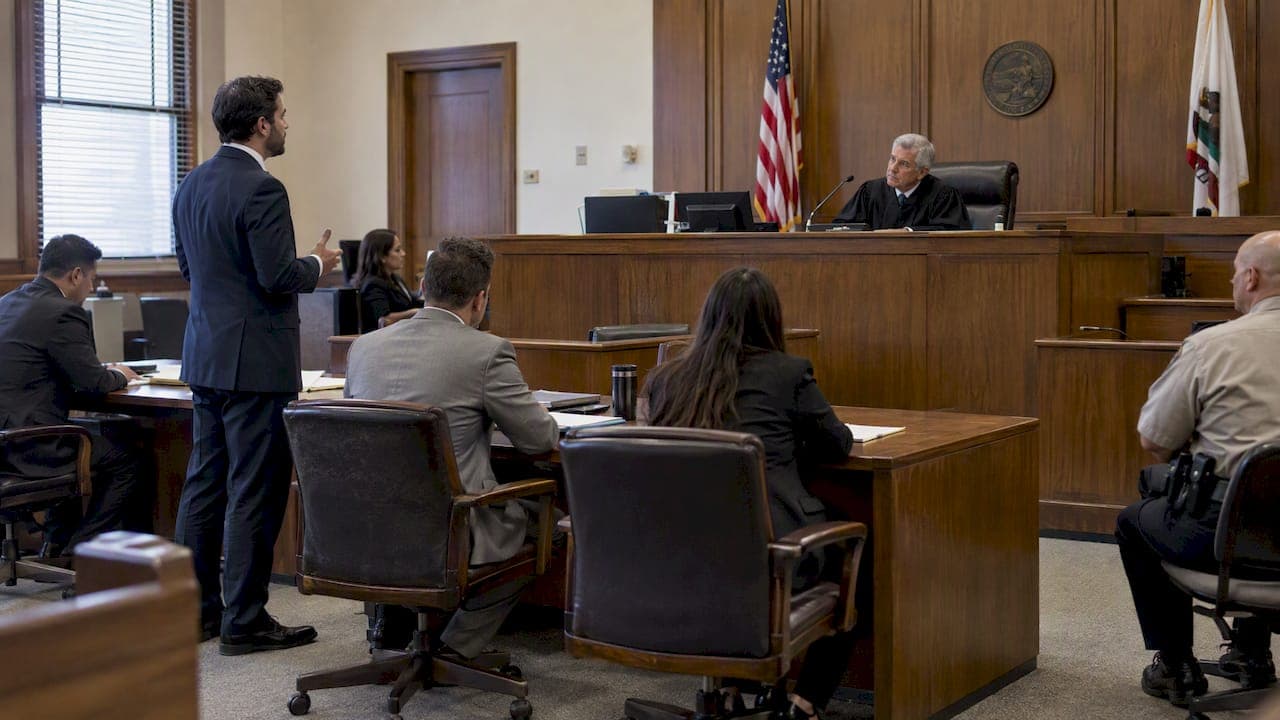
Most people charged with nonviolent financial crimes in California can be released before trial, and judges must weigh what a person can actually afford. Families usually pay a bond premium rather than full cash, and that premium is typically nonrefundable. If prosecutors claim the bail money is tainted, a PC 1275.1 hold can delay release, so call a licensed bail agent and an attorney now and start gathering proof of where the money came from.
TL;DR:
- Full cash is often refundable at case end but ties up savings; bond premiums are 10%, or 8% when an attorney is involved.
- After a probable cause finding, the defendant must prove legitimate funds by a preponderance of evidence, so gather bank statements, payroll records, and receipts.
- Arraignment typically occurs within 48 hours, and a PC 1275.1 hearing may delay release; call a defense attorney and licensed bail agent immediately.
- Federal cases use pretrial services risk assessments and recommendations, while California courts prioritize ability to pay and nonfinancial release conditions at bail hearings.
- Missing a court date can forfeit the bond, and people who co-sign face an indemnity agreement; confirm all conditions and deadlines in writing.
Table of Contents
- Who decides bail, and who qualifies under California law?
- How is bail set in practice, and what will you pay?
- What is a PC 1275.1 hold, and how does it affect release?
- How do state and federal white-collar bail processes differ?
- What is the step-by-step checklist for getting someone released quickly?
- What happens after release?
- A bail agent's view: get help before the clock works against you
- How can we help you right now?
- FAQ
- Sources
Who decides bail, and who qualifies under California law?
Judges set bail by looking at the seriousness of the offense, the defendant's record, the risk to public safety, and the chance the person will show up in court. White-collar charges such as embezzlement, grand theft, forgery, and identity theft are descriptive categories of nonviolent, financially motivated offenses, which is why release is usually on the table.
Recent rulings have sharpened the focus on money. A superior court bail fact sheet explains that judges must consider less restrictive alternatives and ability to pay, and that bail should not be set at an amount the arrestee cannot reasonably afford. Reporting from The Marshall Project describes how the California Supreme Court's 2026 developments make detailed financial information at bail hearings critical.
What this means at arraignment:
- Judges weigh offense seriousness, prior record, public safety, and flight risk.
- Courts must look at nonfinancial release conditions before unaffordable cash bail.
- Detention without bail generally requires clear and convincing evidence.
- Accurate income and expense records can directly lower the amount set.
How is bail set in practice, and what will you pay?
Counties set bail schedules, but the amount that applies at booking can depend on the case and court. A judge may review the bail decision, including in light of the defendant's finances. County schedules and common bond practices are described in a California Law Revision Commission staff memo.
Families have two basic routes. Paying the full amount in cash to the court is one. The more common route is a commercial bail bond: we post the full bond with the court, and you pay us a premium. Our standard premium is 10%, and we apply an 8% rate when an attorney is involved; details are on our bail bond cost page. The premium is typically nonrefundable, even if the case is dismissed. For a deeper comparison, see our guide on what families pay and get back with cash bail versus a bond.
- A down payment can often be arranged, with payment plans available for qualified co-signers.
- Full cash is refundable at case end in many situations, but it ties up a large sum.
- A bond lets you keep your savings available for legal fees.
Pro Tip: Ask the bail agent for the total amount due and every payment deadline in writing before you sign anything.
For a plain walkthrough of the mechanics, read how bail bonds work step by step.
What is a PC 1275.1 hold, and how does it affect release?
In financial-crime cases, prosecutors sometimes question where the bail money came from. Under Penal Code §1275.1, a peace officer or prosecutor can file a declaration alleging the funds were feloniously obtained. If the court finds probable cause, the defendant must prove by a preponderance of the evidence that the funds are legitimate. If the defendant proves the funds are legitimate, the court may vacate the hold; release can still depend on other case conditions.

County courts publish the paperwork. A Riverside County declaration form shows how the request is framed, and a Santa Barbara County form shows how the hearing and order work. We also explain the process on our PC 1275 hold page.
If a hold is filed, move fast:
- Call your attorney and your bail agent immediately.
- Collect bank statements, payroll records, and receipts showing the source of the funds.
- Add any attorney retainer agreement that explains how fees are being paid.
- Prepare for a hearing, which can delay release.
How do state and federal white-collar bail processes differ?
Many white-collar cases are filed in federal court, and the rules change. Federal release falls under the Bail Reform Act, 18 U.S.C. §3142, and relies heavily on pretrial services risk assessments, as the federal courts' overview of pretrial release describes. Factors include community ties, employment, and danger to the public.
- Federal: Federal pretrial services can collect information and make release recommendations, and judicial officials decide whether to release the defendant and on what conditions.
- State: county courts apply the California Constitution and Penal Code, including the Humphrey ability-to-pay framework and nonfinancial alternatives first.
- Why it matters: different agencies prepare reports, different hearings apply, and the evidence you bring on finances looks different in each system.
Knowing which court holds the case tells you who to call first. We handle federal bonds as well as state bonds.
What is the step-by-step checklist for getting someone released quickly?
Speed matters most in the first hours. Work through these steps in order:
- Confirm the charges, the county bail schedule amount, and the arraignment date and time.
- Call a defense attorney and a licensed bail agent right away.
- Gather IDs, proof of your relationship to the defendant, and co-signer information.
- Pull source-of-funds records (bank, payroll, receipts) before any PC 1275.1 hearing.
- Request an arraignment or bail review if the amount looks out of reach.
- Post bail, either in cash or through the agent.
- Confirm every court date and release condition in writing.
Arraignment typically happens within 48 hours, and a PC 1275.1 hearing can temporarily delay release. Our felony checklist gives a compact version you can print.
Pro Tip: Keep a single folder, paper or digital, with the booking number, the attorney's contact, and the financial records, so anyone in the family can step in.
What happens after release?
Release is the start of a set of obligations. The premium is generally nonrefundable, and the co-signer signs an indemnity agreement, so know the payment deadlines before the defendant walks out.
- If the defendant misses court, the bond can be forfeited and the bondsman can seek surrender.
- Common conditions include travel limits and check-ins or monitoring.
- Keep the attorney and the bail agent informed about address changes, new court dates, or any problem.
- Attending every hearing is the simplest way to protect the bond and everyone who signed for it.
A bail agent's view: get help before the clock works against you
I'm a licensed bail agent working statewide in California, and the pattern repeats: families lose days because they wait for certainty. Don't. Licensed, experienced agents anticipate PC 1275.1 problems and help you document legitimate funds early. Bail gets someone home, but your defense attorney manages the case itself, so keep both in the loop.
— Jake
How can we help you right now?
We provide licensed bail bond service across all 58 California counties, 24/7, with bilingual support and free consultations. Our lower down-payment options page explains how they work.
Call us right after booking, or the moment a PC 1275.1 declaration is filed. Have the booking number, the charges, and your source-of-funds documents ready, and we will coordinate with your attorney to speed release.
Start with a free consultation at Jake Hernandez Bail Bonds.
This article is general information, not a substitute for advice from a qualified lawyer. Consult a qualified legal professional about your own circumstances before acting on anything here.
FAQ
What makes you ineligible for bail in California?
Bail can be denied in serious cases where the court finds, by clear and convincing evidence, that no release conditions can protect the public or ensure appearance. The court bail fact sheet describes the standard for detention, but whether bail can be denied depends on the circumstances of the case.
What is white-collar crime in criminal justice?
It is a descriptive label for nonviolent, financially motivated offenses such as embezzlement, forgery, grand theft, and identity theft. Penalties depend on the specific statute, and many of these offenses can be charged as either misdemeanors or felonies, as shown in the California statutes.
Has California eliminated cash bail?
No. County bail schedules and commercial bonds still operate. Courts, however, must now weigh ability to pay and consider nonfinancial alternatives first, as The Marshall Project's 2026 reporting explains.
How does bail work for fraud charges?
Bail is set from the county schedule and can be changed by a judge at arraignment. Most families pay a bond premium, and if funds are challenged, a PC 1275.1 hearing may come first.
Sources
- Leginfo
- Did the California Supreme Court Just Remake the State’s Bail System? | The Marshall Project
- SF BAIL