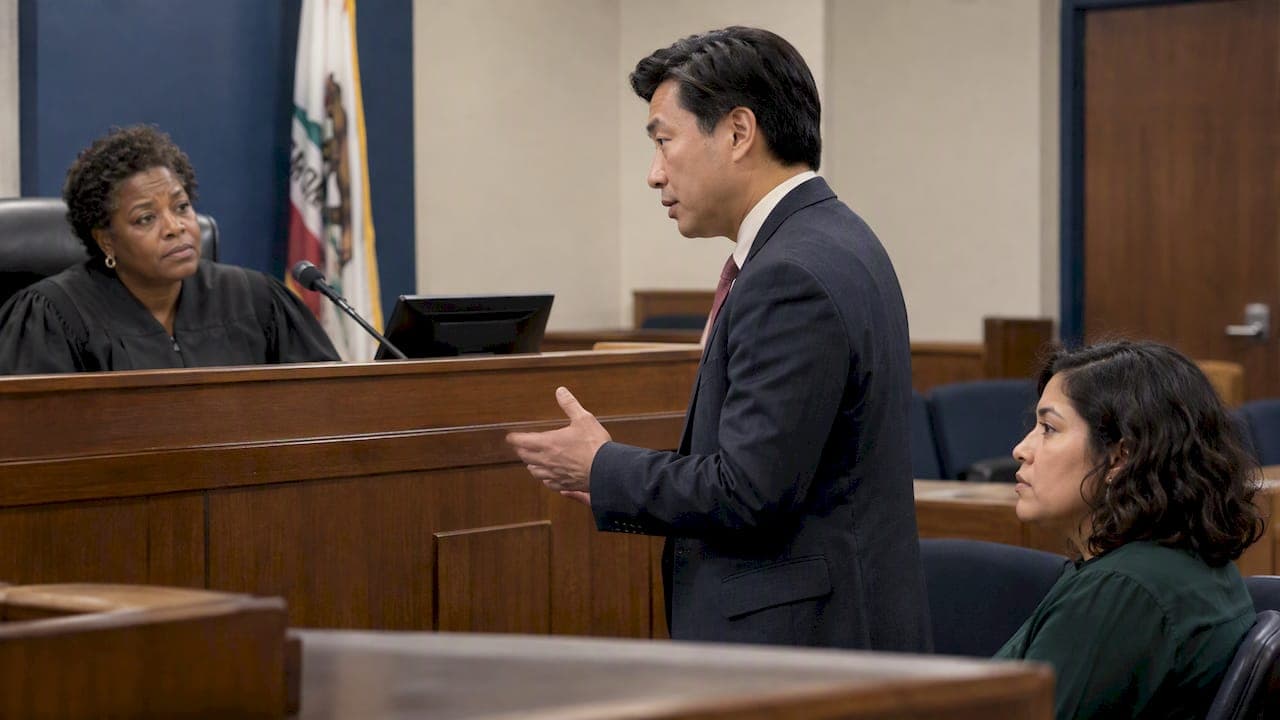
Most people arrested for arson in California can be released on bail. The amount depends on the county bail schedule, the specific charge and what the judge decides at arraignment. If bail is set at $100,000, a bail bond typically costs a 10% premium, which is $10,000, and the defendant can usually be released within hours of the bond being posted and processed. Below is how the amount is set, what it costs, what a co-signer signs, and what to do in the first 48 hours.
TL;DR
- Arson is generally a bailable offense in California. The state constitution allows courts to deny bail only in narrow cases.
- The amount comes from the county's uniform bail schedule. In Stanislaus County, the 2026 schedule runs from $75,000 to $350,000 depending on the arson charge.
- A bond costs a percentage of bail, not the full amount. Our premium is 10%, or 8% for attorney-referred bonds.
- A co-signer is financially responsible for the full bail amount if the defendant misses court.
- A judge can hold a hearing and change bail on serious felonies, so the first number you hear is not always the final one.
Table of Contents
- Is arson bailable in California?
- How the bail amount is set
- Court bail vs. the cost of a bond
- What a co-signer takes on
- What happens if the defendant misses court
- Timeline: from arrest to release
- What to gather for the attorney
- When bail is denied or a hold is placed
- Perspective: what we tell families on the first call
- Get a bond started
- FAQ
- Sources
Is arson bailable in California?
Yes, in most cases. Article 1, Section 12 of the California Constitution says a person arrested for a non-capital crime is generally entitled to release on bail by sufficient sureties. The exceptions are limited to felonies involving specific acts of violence, threats of great bodily harm, or certain sexual offenses, and only where the facts are evident and the court finds a substantial likelihood of harm if the person is released.
That matters for arson because the charge covers a wide range. Burning an unoccupied shed is a very different case from setting fire to an occupied home, or a fire that injures a firefighter. A prosecutor may argue that the second kind of case involves a danger to others. A judge can then order no bail or add conditions. The California Law Revision Commission's staff notes that the constitution allows courts to order no bail, or pretrial detention, in limited circumstances.
In practice, most arson arrests start with a bail amount from the county schedule. The family's question is how to meet it.
How the bail amount is set
Two things set the number: the county schedule, and the judge.
The county bail schedule
Under Penal Code 1269b, the superior court judges in each county must adopt and annually revise a uniform countywide bail schedule for bailable felonies and for misdemeanors and infractions other than Vehicle Code infractions. That is why the same arrest can carry a different amount in Fresno than in Orange County.
Stanislaus County's schedule shows how finely arson is split. Its 2026 felony bail schedule lists:
| Charge (Penal Code) | Presumptive bail, Stanislaus County, 2026 |
|---|---|
| Arson with great bodily injury, 451(a) | $350,000 |
| Arson of an inhabited structure, 451(b) | $300,000 |
| Arson of a structure or forest land, 451(c) | $100,000 |
| Arson of property, 451(d) | $75,000 |
These figures are one county's numbers. Your county will differ, and schedules are revised every year. Look for the "Bail Schedule" page on the Superior Court website for the county where the person is booked, or ask the jail for the bail amount on the booking record.
The judge's role
The schedule is a starting point. Under Penal Code 1275, a judge who sets, reduces or denies bail must consider public protection, the seriousness of the offense, the criminal record and the likelihood of appearing in court. Public safety is the primary consideration. Lowering bail below the schedule for a serious or violent felony requires the judge to find unusual circumstances and state them on the record.

For specified serious or violent felonies, Penal Code 1270.1 also requires a court hearing before release on bail in an amount different from the schedule, or on one's own recognizance. Whether a particular arson charge falls under that rule depends on the facts and the subsection charged, so ask the defense attorney which category applies.
The Humphrey decision adds another layer. Since the 2021 California Supreme Court ruling, courts may not detain someone before trial solely because they cannot afford bail. If release poses a safety or flight risk, the court is supposed to consider nonfinancial alternatives first. Detention or unaffordable bail is allowed only when those alternatives would not protect the public or prevent flight. A defense attorney can raise this at the bail hearing. For more on what judges weigh, see our guide to the factors judges consider when setting bail.
Court bail vs. the cost of a bond
Families often confuse the two numbers, so keep them apart.
- Bail is the amount the court sets. It is the sum the court will hold, or the surety will owe, if the defendant does not appear.
- The bond premium is what you pay a bail agent to post that bail for you.
Our premium is 10% of the bail amount, and attorney-referred bonds get an 8% rate. You can see both on our bail bond cost calculator. Here is what that looks like at the Stanislaus schedule amounts above:
| Bail amount | Premium at 10% | Premium at 8% (attorney discount) |
|---|---|---|
| $75,000 | $7,500 | $6,000 |
| $100,000 | $10,000 | $8,000 |
| $300,000 | $30,000 | $24,000 |
| $350,000 | $35,000 | $28,000 |
The alternative is posting the full bail amount in cash with the court. That money is tied up until the case ends, which is why most families choose a bond. The trade-off is that the premium is a fee for the service and is not returned when the case closes.
If cash on hand is the obstacle, ask about structure before you give up. We offer payment plans and 0% down options for qualified co-signers, and our $500 down bail bonds page explains how that works. Large arson bail amounts are exactly where a payment plan changes what is possible.

What a co-signer takes on
The co-signer (also called the indemnitor) is the person who stands behind the bond. Before signing, understand three points.
- Financial responsibility. Under Penal Code 1278, the bail undertaking commits the signers to pay the bail amount if the defendant fails to perform the specified conditions. The exposure is the full bail, not just the premium.
- A promise about the defendant. By signing, you also commit to making sure the defendant remains answerable to the court's orders and process.
- Your role in court dates. You will need to keep the defendant informed of every hearing, and tell the bail agent right away if anything changes: a move, a new phone number, a new arrest.
Choose a co-signer who has a stable income or assets and a close, honest relationship with the defendant. If the person arrested has a history of missing court, say so to your bail agent at the start. It is better to hear that on day one than after a missed date.
What happens if the defendant misses court
A missed date is not the end of the bond, but it moves quickly. If the defendant fails to appear without sufficient excuse, the court must declare the bail forfeited under Penal Code 1305. If the defendant appears, or is surrendered or arrested, within the statutory 180-day period, the court must vacate the forfeiture and exonerate the bond.
The practical steps if a date is missed:
- Call your bail agent the same day.
- Contact the defense attorney to ask about getting the matter back on calendar.
- Do not hide the defendant or the problem. The 180 days are for fixing it, and the earlier you act, the more options you have.
A real reason for missing court, such as a documented hospitalization, should be passed to the attorney immediately.
Timeline: from arrest to release
Arraignment must happen without unnecessary delay and within 48 hours of arrest, excluding Sundays and holidays. For an arson arrest, a family can usually do the following:
- Find out where the person is held and the bail amount. Call the booking jail with the full name and date of birth. Amounts for serious felonies are usually set from the county schedule at booking.
- Call a bail agent before arraignment. You don't have to wait for the hearing. If the scheduled amount is workable, a bond can be posted right away.
- Contact a defense attorney. For felony arson, you want one soon. A bail hearing can lower the number, and an attorney referral also qualifies for our 8% rate.
- Complete the paperwork. The co-signer signs the indemnity agreement. Online signing is possible through our online bail bonds service, which helps when the family lives far from the jail. If you are out of state, our guide on how to bail someone out of California jail from another state walks through it.
- Wait for processing. Release time depends on the jail's workload. Large county jails can take several hours after the bond is posted.
Some counties have changed pre-arraignment release rules. Los Angeles County's protocols, effective October 1, 2023, provide nonfinancial release conditions for most nonviolent, non-serious offenses, but most serious or violent felonies remain subject to traditional bail amounts. Arson charged as a serious felony should be assumed to need a bond unless the jail or attorney tells you otherwise.
For a deeper look at the first two days, read our 48-hour family plan for arraignment and bail.
What to gather for the attorney
Arson cases turn on evidence and intent: where the fire started, who was present, and what was recorded. Families can help early by saving what exists. Keep phone videos, security-camera footage, texts and receipts that show where the person was, and write down what the person tells you while details are fresh. If police were recorded during the arrest or search, it helps to know the rules on preserving footage of police encounters and give copies to the defense attorney instead of posting them online.
Do not ask the defendant to discuss the facts on jail phone lines. Calls from jail are generally recorded, and what is said on them can show up in the case.
When bail is denied or a hold is placed
Sometimes a bond cannot be posted because of a hold. The most common one is a hold under Penal Code 1275, where the court wants to know the source of the bail money before accepting it, often in cases with large amounts. Our page on PC 1275 holds explains the bail source hearing and what documents help, and our guide to no-bail holds lays out five steps a family can take in the first 24 hours.
The key point: a hold is not always a denial of bail. It can be a step the court requires before a bond is accepted. Ask the attorney which one you are facing.
Perspective: what we tell families on the first call
We write bail bonds for arson arrests across California, and the same three things come up in nearly every first call.
First, families focus on the arson charge and forget that the bail amount is just a number on a schedule until a judge says otherwise. We tell them not to panic at the figure. Get the exact charge and subsection, because the gap between 451(c) and 451(b) in a single county can be hundreds of thousands of dollars.
Second, we are straight about the co-signer's risk. A bond is a contract. Signing means you are responsible for the full bail if court is missed. If we do not think a co-signer is comfortable with that, we say so. We would rather lose a bond than see a family sign something they don't understand.
Third, speed matters, but so does the attorney. Our attorney discount is applied automatically at 8%, and we work with defense counsel on bail motions when the schedule amount is out of reach. You talk to a person who handles the bond, not a call center, and we stay with you through each court date. Consultations are free, and we answer 24/7 in English and Spanish, as well as Hindi and Arabic.
— Jake
Get a bond started
If someone you know has been booked on an arson charge, call us with the person's name, the jail and the bail amount. We cover all 58 California counties, and we can walk you through the premium, the co-signer paperwork and the payment options. Start with our bail bond cost calculator, or see our statewide felony bail bonds. For arrests in Los Angeles or Lake County, we have local pages for arson bail bonds in Los Angeles County and arson bail bonds in Lake County.
FAQ
How much is bail for arson in California?
It depends on the county and the charge. Each county sets a uniform bail schedule every year. In Stanislaus County in 2026, the range is $75,000 for arson of property up to $350,000 for arson causing great bodily injury. Check your county's Superior Court website for its schedule.
Can a judge refuse bail for an arson charge?
Only in limited situations. The state constitution allows bail to be denied for felonies involving violence or threats of great bodily harm where the facts are evident and the court finds a substantial likelihood of harm if the person is released. Most arson cases begin with a scheduled bail amount, and a judge can change it at a hearing.
Can bail be lowered after arrest?
Often, yes. A defense attorney can ask the judge to reduce it at arraignment or at a separate bail hearing. For serious or violent felonies, a reduction below the schedule requires an unusual-circumstances finding on the record, and a hearing is required before release in a different amount.
Do I get the bond premium back if the charges are dropped?
No. The premium is the fee for posting the bond, and it is not a deposit. A different arrangement applies if you post the full bail in cash with the court, which is typically returned when the case ends, less any court fees.
What if I can't afford the premium on a large arson bail?
Talk to a bail agent about a payment plan and low-down-payment options for qualified co-signers. Also ask the defense attorney to request a bail reduction, since Humphrey bars detention based only on inability to pay.
Sources
- California Constitution, Article 1, Section 12
- California Law Revision Commission, Staff Memorandum 2022-10
- California Penal Code 1269b
- Stanislaus County Superior Court bail schedule, effective January 1, 2026
- California Penal Code 1275
- California Penal Code 1270.1 (Penal Code, Part 2, Title 10)
- San Francisco Superior Court bail fact sheet (In re Humphrey)
- California Penal Code 1278
- California Penal Code 1305
- Los Angeles Superior Court pre-arraignment release protocols FAQ
- Recording police in California