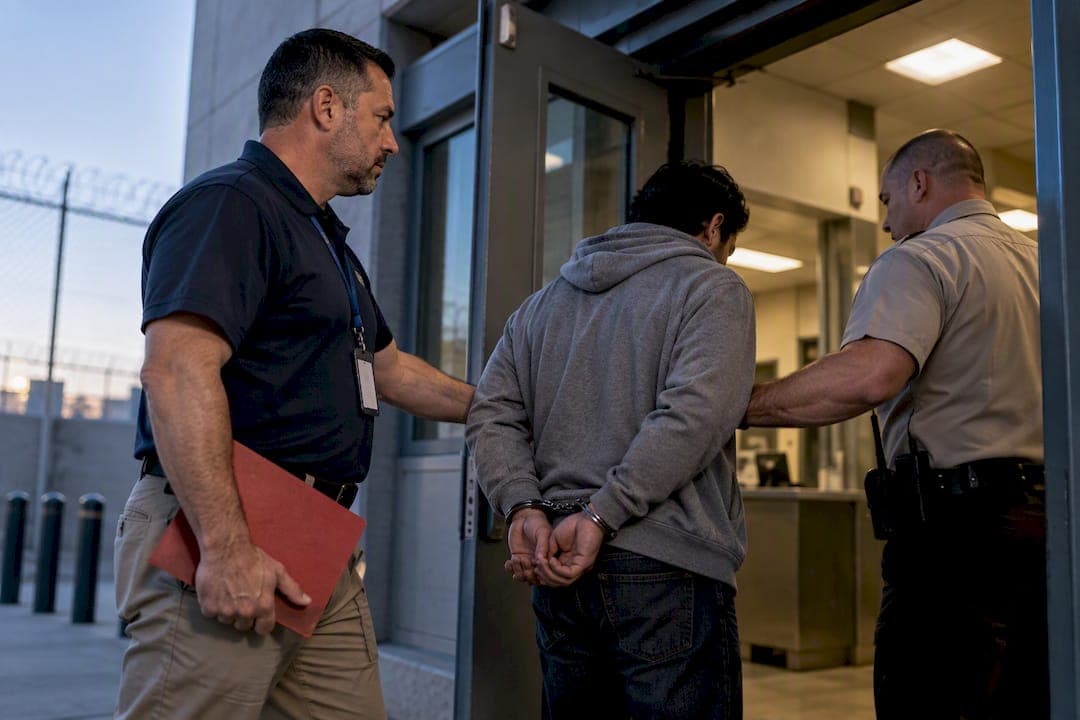
A surety, a depositor, or the defendant may surrender a defendant to custody before forfeiture, and doing it correctly can start the process of exonerating the bond. The most critical rule to know upfront: many states, including California, require delivery to the court within 48 hours of an in-state arrest for surrender. Federal cases follow a separate, slower path built around coordination with defense counsel rather than a fixed clock.
TL;DR:
- Surrender must be executed within 48 hours of an in-state arrest in California, with documented proof delivered to the appropriate custody officer.
- Federal surrender involves coordination with Pretrial Services or U.S. Marshals and results in scheduled reporting, often taking weeks instead of days.
- Successful state surrender requires strict compliance with procedural steps, including court filing and district attorney notice, to ensure exoneration and potential premium return.
- Most rejected surrenders occur due to improper facility selection, missing documentation, or failure to obtain the officer's written certificate at the time of surrender.
- Licensed bail agents streamline the process by knowing exact facility policies, building relationships with booking staff, and ensuring all paperwork aligns with legal requirements.
Table of Contents
- What surrender means: state surrender versus federal voluntary surrender
- State statutory surrender rules versus federal voluntary surrender
- When a surety may surrender a defendant: statutory steps and timing
- How to surrender: an actionable checklist for agents, indemnitors, and defendants
- Where to surrender and facility rules: avoid rejected surrenders
- Consequences of surrender: exoneration, premium return, forfeiture, and co-signer liability
- Practical pitfalls and red flags to watch for
- How licensed bail agents manage surrender and where families can get help
- Getting help with a surrender or a new bail bond
- Sources
- FAQ
What surrender means: state surrender versus federal voluntary surrender
Statutory surrender is the process by which a bail agent, a depositor, or a co-signer delivers a defendant back into custody before the court declares the bond forfeited. Under California Penal Code 1300, the surety hands a certified copy of the bond undertaking, or a sworn affidavit, to the officer who originally had custody of the defendant. That officer must detain the defendant and issue a written certificate confirming the surrender took place.
Federal voluntary surrender works differently. It is typically arranged by defense counsel and coordinated with the U.S. Marshals Service or Pretrial Services, allowing a defendant to report to custody on a scheduled date rather than being taken into custody unannounced. This route does not produce immediate release, and it usually comes with a multi-week reporting window tied to a Bureau of Prisons facility.
The two systems solve different problems. State surrender is almost always about pulling a bond back from the edge of forfeiture. Federal surrender is about controlled compliance with a sentence or a pending case, managed through supervision rather than a bond exoneration filing.
State statutory surrender rules versus federal voluntary surrender
The mechanics diverge sharply depending on which system applies to your case.
State surrender follows a paper trail defined by statute: a certified undertaking or affidavit, delivery to the custodial officer, a written certificate from that officer, and a court filing for exoneration that includes notice to the district attorney. California's framework under Penal Code 1300 and 1301 sets these requirements and gives courts authority to order the return of premium in certain circumstances.
Federal surrender runs through a different chain of contacts entirely. Defense counsel coordinates with Pretrial Services and the U.S. Marshals Service, and the defendant receives a designated reporting date rather than a same-day custody transfer. There is no bond premium to recover in the same sense, because federal pretrial release and BOP reporting operate under separate rules than state bail bonds.
The practical difference shows up in outcome and pace. State surrender can exonerate a bond within days if the paperwork is clean. Federal surrender is measured in weeks and ends in scheduled custody, not bond release.
When a surety may surrender a defendant: statutory steps and timing
A bail agent or indemnitor who wants to surrender a defendant before forfeiture has to follow a specific sequence, and skipping a step can leave the bond exposed or the surrender rejected outright.
- Prepare a certified copy of the bond undertaking or a sworn affidavit stating the grounds for surrender.
- Deliver that document to the officer who had original custody of the defendant, usually at the jail's designated booking or intake facility.
- Obtain a written certificate from that officer acknowledging the surrender and the date it occurred.
- File the exoneration application with the court, including the required notice to the district attorney.
- Retain copies of every document exchanged during the process.
Under Penal Code 1301, a surety also has authority to arrest a defendant for the purpose of surrender, but delivery to the court or jail must happen without unnecessary delay. In California, that means within 48 hours of an in-state arrest, subject to limited waivers for extraordinary circumstances. Out-of-state arrests involve additional coordination and often longer timelines because of extradition-style logistics, even when the surety is simply bringing someone back voluntarily.
The five-day notice to the district attorney before an exoneration order is not optional paperwork. Courts use it to confirm no objection exists before formally releasing the surety from liability on the bond. Agents who skip this step, or who fail to secure the officer's written certificate at the moment of surrender, often find themselves defending the surrender months later with no clean documentation to point to.
How to surrender: an actionable checklist for agents, indemnitors, and defendants
Turning the statutory steps into a working checklist cuts down on wasted trips and rejected surrenders.
Before you go:
- Confirm the jail's current acceptance policy for bond surrenders and its hours of operation.
- Prepare the certified undertaking or affidavit and double-check the defendant's case number.
- Check for outstanding holds, including ICE or other federal flags, that could change how the facility processes the surrender.
- Notify the attorney of record so the surrender does not conflict with a pending court date or motion.
- Arrange transport for the defendant if this is a voluntary surrender rather than an arrest-for-surrender.
At the facility:
- Hand the certified documents directly to the booking officer, not to a front-desk clerk or patrol officer.
- Request the officer's written surrender certificate before leaving.
- Confirm the timeline for bringing the matter before the court, keeping the 48-hour rule in mind for in-state cases.
- Keep copies of everything, including a timestamp of when documents were delivered.
After the surrender:
- File the exoneration application with the court, including the district attorney notice where required.
- Track the exoneration hearing date and confirm the outcome in writing.
- Store all documentation, including the officer's certificate, in case a premium-return or forfeiture dispute arises later.
Pro Tip: Call the booking desk before you drive anywhere. A five-minute phone call confirming acceptance hours and documentation requirements can save an entire wasted trip.
Where to surrender and facility rules: avoid rejected surrenders
Most counties will not accept a bond surrender at a random patrol station or field office. Sheriff operational manuals direct that surrenders go through designated intake or booking centers, often called Inmate Reception Centers, specifically to preserve an unbroken chain of custody.
This matters because the officer's written certificate, the document courts rely on for exoneration, only carries weight when it comes from the officer authorized to accept custody at that facility. A surrender processed anywhere else risks rejection, and a rejected surrender does nothing to stop the forfeiture clock.
Before making the trip, call the jail or sheriff's booking desk directly and confirm three things: current hours of operation, identification requirements for the person delivering the defendant, and whether any holds, such as an ICE detainer, might change how the facility processes the case. A defendant with multiple charges may also need bail addressed separately for each eligible charge, since facilities sometimes accept bond for only part of a case while holding the rest under a separate status.
Consequences of surrender: exoneration, premium return, forfeiture, and co-signer liability
What happens after a surrender depends heavily on timing and documentation.
- A surrender completed before forfeiture typically supports an exoneration application, releasing the surety from bond liability once the court signs off.
- Courts can order the return of premium when a surrender lacks good cause, though this outcome depends on the specific facts and the judge's discretion.
- If the surrender follows a failure to appear, or the court finds no good cause for the surrender, forfeiture or collection action against co-signers can still follow.
- Co-signers remain potentially liable for the full bond amount until the court formally exonerates it, regardless of who initiated the surrender.
- Retaining the officer's surrender certificate and the certified undertaking is often the deciding factor in later disputes over premium return.
Indemnitors who want to limit their exposure should understand how premium structures work before agreeing to co-sign, and should know the lawful ways to exit a bail bond if circumstances change mid-case. When forfeiture does move forward, understanding how a summary judgment affects co-signers helps explain why acting early, before forfeiture, matters so much.
Practical pitfalls and red flags to watch for
Most rejected or contested surrenders trace back to a handful of recurring mistakes.
- Showing up at the wrong facility, such as a patrol station instead of the designated intake center.
- Arriving without certified documents or with an affidavit that does not match the court's format requirements.
- Leaving without the officer's written surrender certificate, which later becomes the key evidence in any dispute.
- Failing to notify the attorney of record or the district attorney where notice is statutorily required.
- Attempting a field "arrest for surrender" without following the statutory authority and delivery timeline that governs it.
Watch for jail refusals that come without a documented reason, unexpected holds that block processing, or mismatched case numbers between the bond paperwork and the jail's records. Any of these can stall a surrender indefinitely if not caught early.
Pro Tip: Bring more identification and paperwork than you think you need. A surrender that gets rejected on a technicality still leaves the forfeiture clock running.
How licensed bail agents manage surrender and where families can get help
Handling a surrender well is less about knowing the statute and more about knowing the operational details: which window at which facility accepts the paperwork, what the booking officer needs to see, and how to keep the exoneration filing from getting lost in a backlog. Licensed bail agents who work these facilities regularly build relationships with booking staff that smooth out exactly the kind of friction that causes rejected surrenders.

A practitioner's contribution typically includes preparing the certified undertaking or affidavit correctly the first time, coordinating directly with jail booking staff on timing, securing the officer's written certificate on the spot, and filing the exoneration paperwork with the required district attorney notice. Families facing a surrender situation are often already under enough stress without also decoding a sheriff department's internal booking rules.
The mechanics described in this guide, certified documents, the 48-hour clock, designated booking centers, apply across California's counties, though local booking procedures can vary in small but important ways from one sheriff's department to another.
— Jake
Getting help with a surrender or a new bail bond
Surrendering a defendant correctly takes more than knowing the statute. It takes knowing which booking window at which jail will actually accept the paperwork, and having someone answer the phone when a question comes up at 11 PM on a Saturday. A bail bonds service operating across many California counties provides direct, practitioner-led service without call centers or middlemen between families and the person handling the case.
If a surrender leads to a new bond need, or if a co-signer wants to understand payment options before committing, California Bail Bonds services include 0% down options and payment plans for qualified co-signers, along with an automatic attorney discount of 8% where applicable. Bilingual support in Spanish, Hindi, and Arabic means language is never the barrier standing between a family and a fast, clear answer.
Consultations are free and available 24/7. Call Jake Hernandez Bail Bonds or start an online bail bond to get a straight answer on your specific situation today.

This article is general information, not a substitute for advice from a qualified lawyer. Consult a qualified legal professional about your own circumstances before acting on anything here.
Sources
- United States district court pretrial FAQ — voluntary surrender
- PARS / LASD operational manual — bond surrenders
- U.S. Marshals Service — prisoners and custody
FAQ
What is the format of a surrender application?
A surrender application generally includes a certified copy of the bond undertaking or a sworn affidavit, delivered to the officer who had original custody of the defendant. The court filing for exoneration that follows includes notice to the district attorney, with the exact format governed by state statute and local court rules.
What happens if you don't self-surrender?
If a defendant fails to appear or does not surrender as required, the court can declare the bond forfeited, which triggers collection action against the surety and any co-signers. In federal cases, failing to report on a designated date can result in a warrant and additional charges beyond the original case.
What happens when a bond is surrendered?
When a bond is surrendered before forfeiture, the officer who accepts custody issues a written certificate, and the surety files for exoneration with the court, which can release the bond obligation once approved. If the surrender happens after a failure to appear or without good cause, the court may deny premium return and forfeiture proceedings can still move forward.
What is a legal surrender?
A legal surrender is the statutory process of delivering a defendant back into custody, using a certified undertaking or affidavit, before the bond is forfeited. Under frameworks like California's Penal Code 1300 and 1301, it gives sureties and depositors a formal path to end their liability on a bond.