
Most warrant arrests in California are bailable, and the magistrate who signs the warrant is legally required to set a dollar amount unless the charge falls into a narrow no-bail category. The moment you learn about a warrant, pull up the case number or booking details and call an attorney or a licensed bail agent immediately. Waiting costs time and money; acting fast usually means a faster release.
TL;DR:
- Most bailable warrants in California have a set dollar amount endorsed by a magistrate, which allows for immediate release once bail is posted.
- Bail amounts can be increased for bench warrants or reduced based on the defendant's community ties, flight risk, and offense severity at arraignment.
- Paying bail can be done through cash, bail bonds, or a judge-approved recognizance release, with bail bonds offering the fastest option for quick release.
- Out-of-state warrants often involve weeks-long extradition processes, and bail may be set locally only if the demanding state consents.
- Contacting a qualified attorney first is crucial for recalling warrants or handling legal obstacles like PC 1275 holds before arranging bail.
Table of Contents
- Warrant Bail California: What Type Of Warrant Are You Dealing With?
- How Courts Actually Set The Bail Number
- Posting Bail On A Warrant Arrest: The Real Options
- PC 1275 Holds: When The Court Questions Where The Bail Money Came From
- Found Out You Have A Warrant? Here's The Plan
- Out-Of-State Warrants: What Extradition Means For Bail
- Attorney Or Bail Agent First? Knowing Who To Call
- A Practitioner's Honest Take On Warrant Bail
- Get Fast, Direct Help Posting Bail In California
- Sources
- FAQ
Warrant Bail California: What Type Of Warrant Are You Dealing With?
Not every warrant works the same way, and the type determines whether bail even gets discussed. An arrest warrant is issued by a judge based on probable cause tied to a new criminal complaint. A bench warrant shows up when someone misses a court date, skips a probation check-in, or ignores a subpoena. A probation or parole warrant follows a violation of supervised release, and an extradition warrant applies when another state wants someone held in California for transfer.
- Standard arrest warrants almost always carry a bail amount unless the charge is a capital offense or certain violent felonies.
- Bench warrants for failure to appear often set bail higher than the original charge to discourage another no-show.
- Probation revocation warrants sometimes come with no bail at all, especially for a second or third violation.
- Look at the warrant itself, or ask the jail, for the endorsement amount, the issuing county, and the magistrate's name. Those three details tell you almost everything about your next move.
How Courts Actually Set The Bail Number
When a magistrate issues a warrant, California law requires an endorsement setting a reasonable bail amount if the offense qualifies for bail at all. That endorsement is what lets a jail release someone the moment bail gets posted, without waiting for a judge to weigh in again. If the warrant doesn't specify an amount, custodial staff fall back on the county's own bail schedule, a preset list of dollar figures tied to specific charges.
Judges can move off that number, though, and they weigh a handful of factors every time:
- The seriousness of the alleged offense and any prior record.
- Whether the person is considered a flight risk.
- Public and victim safety concerns.
- Ties to the community, like a job, family, or fixed address.
Bail is treated as a right in non-capital cases under the California Constitution, but that right comes with limits set by statute. Amounts can be raised or lowered at arraignment, which typically happens within 48 hours of arrest, not counting weekends and holidays, according to California Courts' arraignment guidance. If the schedule amount feels wrong for the situation, that's the moment to ask a judge to reconsider it.
Posting Bail On A Warrant Arrest: The Real Options
Once bail is set, you generally have three ways to get someone out, plus a fourth possibility that costs nothing.
- Cash or court deposit. You pay the full bail amount directly to the jail or court, usually by cash, cashier's check, or money order. You get the money back at the end of the case, minus any fines or fees, assuming all court dates are met.
- Corporate surety bond. A licensed bail agent posts the full amount on your behalf in exchange for a premium, which is capped by statute at 10% of the bail amount in most cases. This is the fastest route for most families because it doesn't require having the entire bail sum in hand.
- Own recognizance (O.R.) release. A judge can release someone without any money changing hands if they're satisfied the person will show up for court. This depends heavily on criminal history, community ties, and the nature of the charge.
Arrested outside the county where the warrant was issued? You can demand to appear before a magistrate in that county and post bail there, or the arresting county will coordinate transfer back to the issuing county within set statutory timelines.
Pro Tip: Call the jail directly before arranging anything. Bail amounts on a warrant can change between the endorsement and the actual booking, and confirming the current figure saves a wasted trip or a bounced payment.
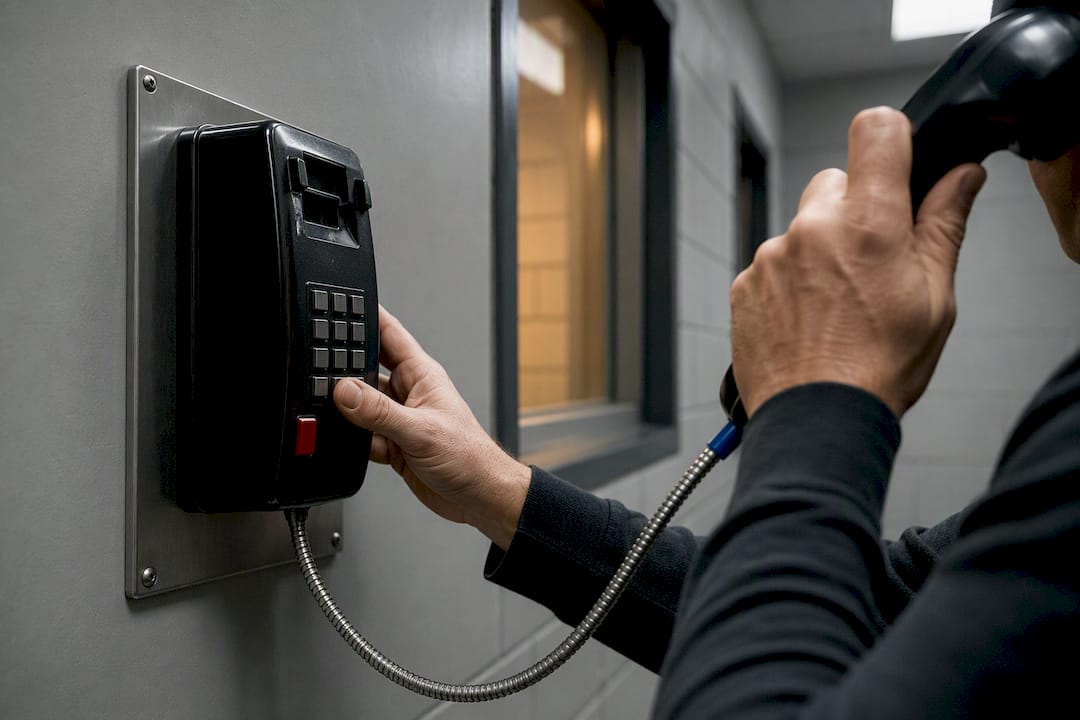
For a full walkthrough of the mechanics, see this step-by-step guide to bailing someone out in California.
PC 1275 Holds: When The Court Questions Where The Bail Money Came From
Penal Code § 1275 lets a court hold release even after bail is posted if there's probable cause to believe the funds came from illegal activity. Prosecutors or law enforcement file a declaration triggering the hold, and once that happens, the burden shifts: the defendant or co-signer has to prove the money is legitimate.
- Bank statements showing consistent deposits over time.
- Pay stubs or tax returns tied to a documented income source.
- Signed affidavits from family members explaining a loan or gift.
Courts can request this documentation under seal to protect financial privacy, and a hearing typically follows within a few days. If the hold is sustained, release stays blocked regardless of the bail amount, which is the scenario families underestimate most. Having records ready before a hearing, rather than scrambling after, materially speeds up release when a hold gets filed. Jakehernandezbailbonds walks clients through what documentation typically satisfies a PC 1275 hold, and a 24-hour hearing checklist covers what to bring.
Found Out You Have A Warrant? Here's The Plan
Discovering a warrant exists doesn't mean you have to wait around for police to find you. A better approach follows a clear order.
- Confirm the warrant is real. Check with the county clerk, search state databases, or use a dedicated warrant search tool to verify the charge, county, and bail amount.
- Call an attorney before anything else. For bench warrants tied to missed court dates, an attorney can often appear on your behalf and get the warrant recalled, sometimes avoiding an arrest entirely.
- Arrange bail in advance if surrender is the path. Voluntary surrender with bail already lined up means walking in and walking out the same day, rather than sitting in custody while a bond gets processed.
Pro Tip: Never assume a warrant will just go away. It doesn't expire, and every routine traffic stop becomes a risk until it's resolved.
Defense attorneys who handle bench warrants regularly report that recalling one before an arrest produces better outcomes than waiting, since negotiated surrender avoids the unpredictability of a surprise arrest. For general defense strategy while a case is pending, Narola Law's criminal defense guidance covers rights worth knowing early.
Out-Of-State Warrants: What Extradition Means For Bail
An out-of-state warrant complicates things because California isn't the state deciding the underlying charge. Interstate extradition runs through Penal Code § 1548.1, which spells out the demanding state's request process and the California governor's role in authorizing transfer.
- Detainees are often held without bail pending transfer, unless the demanding state and the California court both agree to release.
- Transport timelines vary widely and can stretch for weeks depending on how quickly the requesting state acts.
- A judge in California can sometimes set bail locally if the underlying charge is minor and the demanding state doesn't object.
Because outcomes hinge on the requesting state's terms, coordinating with an attorney immediately, rather than after a hearing date is already set, tends to produce better results. A 30/60/90-day extradition playbook breaks down what to expect at each stage.
Attorney Or Bail Agent First? Knowing Who To Call
The right first call depends on what's actually happening with the warrant.
Call an attorney first when the situation involves recalling a bench warrant, fighting a PC 1275 hold, sorting out an extradition complication, or building a defense strategy around prior record. These require legal judgment a bail agent isn't licensed to provide.
Call a bail agent first when the bail amount is already known and the priority is getting someone out of custody fast. That's where Jakehernandezbailbonds fits directly into the process:
- Licensed bail bond services covering multiple California counties.
- Bonds offered at various amounts, with payment options available for qualified co-signers.
- Handling federal and immigration bonds, and experience with complex PC 1275 holds.
- Bilingual support available in multiple languages, accessible 24/7.
A Practitioner's Honest Take On Warrant Bail
The single biggest mistake families make isn't a legal one. It's timing. People sit on a rumor about a warrant for weeks, hoping it disappears, and then panic when a routine stop turns into an arrest. Checking early and calling someone who handles this daily, whether that's an attorney or a bail agent, almost always costs less in money and stress than waiting.
— Jake
Get Fast, Direct Help Posting Bail In California
Jakehernandezbailbonds skips the call-center runaround that slows down most bail companies. You get a licensed agent on the phone directly, statewide coverage across all 58 counties, and options like 0% down for qualified co-signers so a warrant arrest doesn't turn into a financial crisis on top of a legal one.
Bond premiums are capped by statute, and Jakehernandezbailbonds applies the standard 10% premium, with an 8% attorney discount built in automatically for cases with retained counsel. Final release still depends on what the judge decides at arraignment, but once bail is set, a bond can move faster than waiting on a cash deposit. Whether the charge is a felony, a misdemeanor, or involves a $500 down option, support runs 24/7 in English, Spanish, Hindi, and Arabic. Visit Jakehernandezbailbonds now or call to get a free consultation started before the situation gets harder to manage.
This article is general information, not a substitute for advice from a qualified lawyer. Consult a qualified legal professional about your own circumstances before acting on anything here.
Sources
- California Penal Code § 815a (justia)
- Selfhelp
- California Penal Code § 1275 (FindLaw)
- California Penal Code (Chapter 4: The Warrant of Arrest) — leginfo.ca.gov
FAQ
What Does "Warrant Bail Set" Mean In California?
It means a magistrate has attached a specific dollar amount to a warrant, letting the jail release the person immediately once that amount is posted. Without an endorsed amount, the county's bail schedule applies instead.
How Much Bail Do You Have To Pay?
The full bail amount is either paid outright in cash or secured through a bail bond, where the agent posts the full sum for a premium capped at 10% of the bail amount in most cases. The exact number depends on the charge, the county's bail schedule, and any adjustments a judge makes at arraignment.
What Are The Current Bail Laws In California?
Bail is treated as a right in non-capital cases under the California Constitution, but judges retain discretion to raise, lower, or deny it based on public safety, flight risk, and criminal history. Magistrates must still endorse a bail amount on bailable warrants, and PC 1275 holds remain in effect for cases involving suspected illegal funds.
Will California Extradite For A Felony?
Yes, California participates in interstate extradition for felony warrants under Penal Code § 1548.1, and detainees are often held without bail pending transfer. Whether local bail becomes an option depends on the demanding state's position and the court's findings in that specific case.
Can Jakehernandezbailbonds Help With A Warrant Anywhere In California?
Yes, Jakehernandezbailbonds is licensed to post bail bonds across all 58 California counties, including felony, misdemeanor, federal, and immigration cases. Support is available 24/7 with bilingual agents and 0% down options for qualified co-signers, and current pricing details are listed on the bail bond cost page.