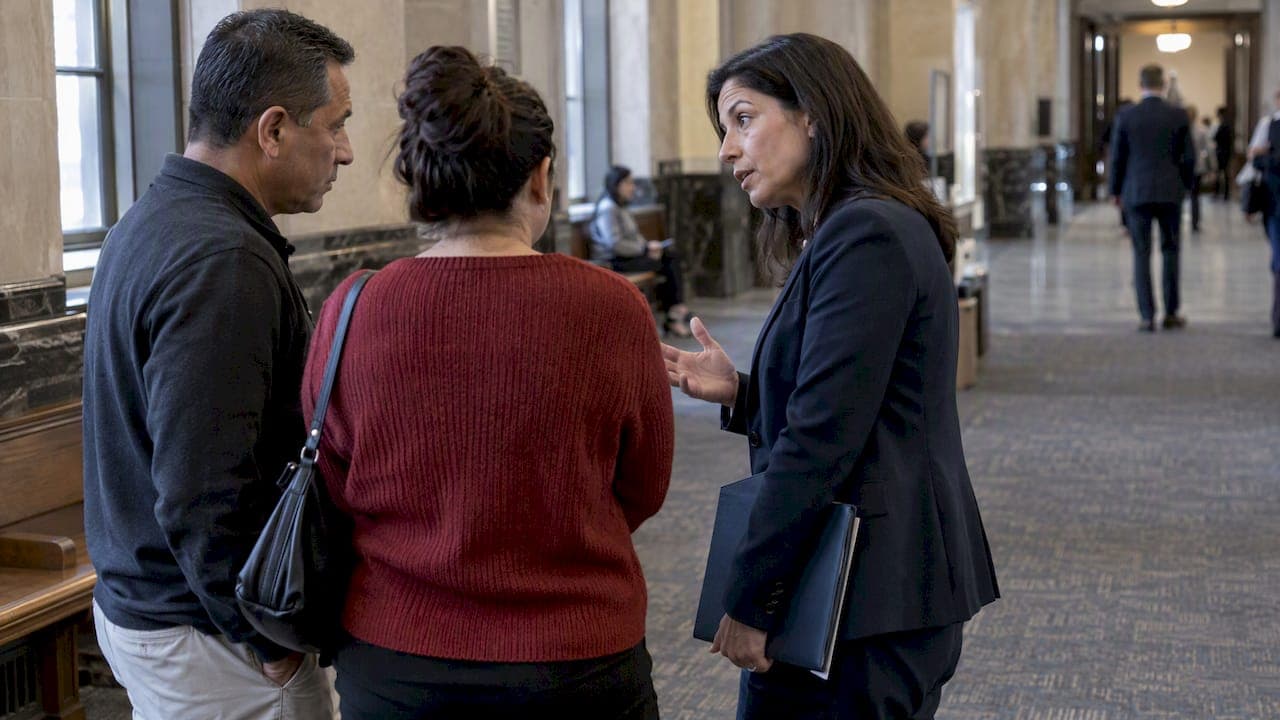
Federal law does not use a bail schedule. Under 18 U.S.C. § 3142, a magistrate judge must make an individualized release decision for every defendant, weighing flight risk and danger to the community. A Pretrial Services officer investigates and recommends an outcome: release on recognizance, conditional release with supervision, a secured bond, or detention until trial.
TL;DR:
- Federal courts do not use bail schedules; release decisions are individualized based on flight risk and community safety, often influenced by Pretrial Services reports.
- Detention is meant to be a last resort, with courts prioritizing the least restrictive conditions and requiring substantial evidence for danger or flight risk.
- Bonds can be posted as personal recognizance, unsecured, secured (cash or property), or through a surety, with documentation and collateral verifying asset value.
- Activities like violations of release conditions or missing court can lead to warrant issuance, bond forfeiture, and additional detention, with liability extending to co-signers.
- Families should act quickly by gathering documents, consulting an attorney, and contacting a licensed bail bondsman within 48 to 72 hours for better success in securing release.
Table of Contents
- What happens at the initial federal appearance
- How judges decide release versus detention under federal law
- Types of pretrial release and how bonds get posted
- What Pretrial Services investigates and typical supervision terms
- Detention hearings, timelines, and how orders get reviewed
- Common release conditions and what happens if you break them
- What co-signers and families need to know about liability
- A 48 to 72 hour checklist for families seeking release
- Why the federal bail process frustrates families used to state court
- How Jake Hernandez Bail Bonds fits into federal matters
- Contacting Jake Hernandez Bail Bonds for federal bond support
- Primary sources for the federal bail process
- Sources
- FAQ
What happens at the initial federal appearance
Within a short window of arrest, the defendant is brought before a magistrate judge for an initial appearance. The judge informs the defendant of the charges, advises them of their rights including the right to counsel, and addresses the question of release. This is often the first moment a family can act, so knowing the sequence matters.
- The magistrate reads the charges and confirms the defendant understands their right to remain silent and to a lawyer.
- A Pretrial Services officer typically interviews the defendant before or shortly after this appearance and prepares a report on ties to the community, employment, criminal history, and risk factors.
- Based on that report and arguments from both sides, the judge can release the defendant outright, set conditions, order temporary detention, or schedule a separate detention hearing.
Families should treat the initial appearance as the starting point of a fast-moving process, not the finish line. Whatever the magistrate decides here can be revisited, but early information, especially from Pretrial Services, shapes everything that follows.
How judges decide release versus detention under federal law
The statute governing this decision, 18 U.S.C. § 3142, requires courts to impose the least restrictive combination of conditions that will reasonably assure the defendant's appearance and the safety of the community. Detention is meant to be the exception, not the default.
The statute directs courts to release a defendant on personal recognizance or unsecured bond unless that will not reasonably assure appearance or safety, and to use the least restrictive conditions available before considering detention.
The court weighs several statutory factors, often called the § 3142(g) factors:
- The nature and circumstances of the offense, including whether it involves violence, firearms, or certain drug charges.
- The weight of the evidence against the defendant, though this factor carries less weight than the others.
- The defendant's history and characteristics: family ties, employment, community connections, criminal record, and history of court appearance.
- The nature and seriousness of the danger the defendant's release would pose to any person or the community.
Burdens of proof differ depending on what the government argues. Nonappearance risk is measured by a preponderance of the evidence, while danger to the community requires clear and convincing evidence, a higher bar. Certain charges, such as serious drug offenses or crimes of violence with a prior conviction, trigger a rebuttable presumption favoring detention, which shifts the practical burden onto the defense to show why release conditions would work, according to the DOJ Criminal Resource Manual.
Types of pretrial release and how bonds get posted
Federal courts use several release instruments, and the type ordered depends on the risk the judge identifies.
- Personal recognizance: the defendant signs a promise to appear with no money required.
- Unsecured bond: the defendant agrees to pay a set amount only if they fail to appear, without posting anything upfront.
- Secured bond (cash or property): the defendant or a third party deposits cash or pledges real property with the court.
- Surety bond: a commercial bail agent guarantees the full amount, backed by the agent's own assets or insurance.
Posting a cash bond usually means bringing funds directly to the clerk's office, though procedures vary by district. Property bonds are more involved: the judge's chambers, not the clerk, often coordinates review of the deed, a recent tax receipt, proof of insurance, and confirmation of unencumbered equity before accepting the pledge, a process outlined in sample forms like AO 199B. A commercial surety must demonstrate solvency and authority to write federal bonds, since the government needs assurance the guarantee is real if the defendant disappears. Readers weighing these options against state-level bail schedules can see the contrast in how state bail schedules work.
What Pretrial Services investigates and typical supervision terms
The Pretrial Services report often determines the shape of the release order more than any other single input. Courts](https://www.uscourts.gov/about-federal-courts/probation-and-pretrial-services/pretrial-services).
- Standard conditions usually include reporting to a pretrial officer, avoiding new arrests, and not contacting alleged victims or witnesses.
- Special conditions can add electronic monitoring, drug or alcohol testing, mental health treatment, employment verification, or a curfew.
- More restrictive districts may require home confinement or GPS tracking for higher-risk defendants who still qualify for release.
Once conditions are set, a pretrial officer administers supervision, checking compliance and reporting violations back to the court. Families preparing for this interview benefit from organizing proof of stability in advance, since a strong Pretrial Services proffer often shapes the officer's recommendation before the judge ever rules; more detail on this dynamic is available in this overview of Pretrial Services and bond risk.
Detention hearings, timelines, and how orders get reviewed
When the government seeks detention, it must request a hearing, and the law sets firm limits on delay. The defendant can ask for a continuance of up to five days, excluding weekends and holidays, and the government can request up to three days, per the DOJ Criminal Resource Manual. Outside those windows, the hearing is expected to proceed promptly.
One key figure worth remembering: the government's continuance is capped at three days, which limits how long prosecutors can hold someone in temporary detention before making their case for continued custody.
At the hearing itself, the defendant has the right to counsel, to testify or remain silent, to present witnesses, and to cross-examine the government's witnesses. Rules of evidence are relaxed here compared to trial, so hearsay and proffers are often admissible. The government must meet its burden, preponderance of the evidence for flight risk, clear and convincing evidence for danger, before the judge can order detention.
- A detention order can be reopened if new, material information surfaces that wasn't available at the original hearing.
- Either side can seek expedited review of a magistrate's release or detention order by a district judge.
- A defendant detained pending trial does not forfeit the right to renew arguments as circumstances change, such as securing stable housing or a job offer.
Readers wanting a fuller walkthrough of what detention actually means day to day can review pretrial detention explained.
Common release conditions and what happens if you break them
Judges tailor conditions to the individual case, but several appear often enough to be considered standard practice in many districts.
- Surrendering passports and travel restrictions to a defined geographic area.
- Electronic monitoring or GPS tracking for defendants seen as higher risk.
- Prohibitions on possessing firearms, even for defendants with no history of violent offenses.
- Mandatory drug testing, treatment programs, or mental health counseling.
Violating any condition carries real consequences. A missed check-in or failed drug test can trigger a bench warrant and a new detention hearing. Failing to appear for a scheduled court date is itself a separate federal crime, and it can result in bond forfeiture, seizure of pledged property, or a civil judgment against whoever signed the bond.
Courts notify sureties when a violation occurs and typically initiate forfeiture proceedings that give the surety a chance to respond before the government collects, a process detailed in this guide to bail forfeiture proceedings. Local practices for who handles collection, the clerk or chambers, vary by district.
What co-signers and families need to know about liability
Anyone who co-signs a federal bond takes on joint-and-several liability, meaning the government can pursue the full bond amount from any signer, regardless of who actually benefited from the defendant's release. Court FAQ resources make clear that prosecutors will often go after whichever signer has the most accessible assets, not necessarily the one who arranged the bond.
- Property bonds require documentation: a deed, a recent tax receipt, proof of insurance, and confirmation of the remaining mortgage balance.
- Chambers staff, not the clerk's office, usually coordinate the timing and review of these property documents.
- Co-signers should insist on a written indemnity agreement before pledging assets, so their exposure and any reimbursement rights are clear.
Pro Tip: Before signing anything, ask a defense attorney to review the bond agreement and explain your exact financial exposure if the defendant fails to appear.
Family members considering a property bond should treat the paperwork stage as seriously as the hearing itself, since incomplete documentation can delay release by days.

A 48 to 72 hour checklist for families seeking release
Acting quickly and in the right order improves the odds of a favorable release decision.
- Confirm the detainee's location, the charges filed, and the assigned magistrate judge or courtroom.
- Contact a criminal defense attorney immediately, even before the first appearance, so someone is advocating at that hearing.
- Request that Pretrial Services conduct its interview promptly and gather documents that support release: pay stubs, a lease or mortgage statement, and letters from employers or family.
- Assemble property documents (deed, tax receipt, insurance proof) if collateral is a realistic option.
- Decide whether to pursue an unsecured bond, post cash or property directly, or contact a licensed bail agent for a surety bond.
- Prepare witnesses, character letters, and proof of community ties in case a detention hearing becomes necessary.
Pro Tip: Ask the assigned attorney what specific § 3142(g) factor the prosecution is likely to emphasize, then build your documentation around rebutting that exact point rather than gathering everything generically.
Readers weighing which release path fits their situation can also review these alternatives to monetary bail conditions before deciding how to proceed. First-time defendants specifically may also want a practitioner's view on diversion versus probation before arraignment, since early strategic choices can affect the release conversation.
Why the federal bail process frustrates families used to state court
Most people expect bail to work the way it does on television or in state court: post a set amount from a schedule and walk out. Federal court doesn't work that way, and that gap in expectations causes more panic than the process itself deserves. There is no posted number to point to, which means families spend the first critical hours confused about what to even ask for.
The uncomfortable truth is that the federal system rewards preparation over money. A defendant with a stable job, a clean record, and a family member ready to testify to their ties often does better than one who can post a large cash bond but has nothing else. Judges are told to use the least restrictive conditions, and a strong Pretrial Services interview can matter more than the size of any bond offered.
Families who treat the first 48 hours as a documentation exercise, not just a financial one, tend to get better outcomes. That's the part the process doesn't advertise clearly enough.
— Jake
How Jake Hernandez Bail Bonds fits into federal matters
Licensed bail bond services operate across all counties in California, focusing on rapid release and a direct, personal approach rather than a call center. When a federal case calls for a commercial surety bond, families need an agent who can move fast and answer questions clearly, without extra layers of middlemen slowing things down.
Federal Bonds and Immigration Bonds are both handled directly, alongside complex holds like 1275, so families facing an unfamiliar federal process don't have to explain the basics twice.
Contacting Jake Hernandez Bail Bonds for federal bond support
Federal cases move fast, and the difference between a smooth release and days of extra custody often comes down to who you call first. Licensed bail bond services are available 24/7, in English or Spanish, and can assist families with the documentation a federal surety bond requires before chambers will accept it.
- Have the defendant's full name, the district and case number, and the bond amount set by the judge ready when you call.
- Consider online bail bonds if the defendant is held in a county far from where the family lives.
A defense attorney handles the legal arguments at the detention hearing, but a licensed bail agent handles the financial mechanics of getting someone out the door once release is ordered. For a free consultation and to see current options, visit Jake Hernandez Bail Bonds directly.
Primary sources for the federal bail process
These are the statutes, court guidance, and government resources this article draws from, useful for anyone who wants to read the underlying rules directly.
- 18 U.S.C. § 3142, the core release and detention statute.
- U.S. Courts Pretrial Services guidance on investigations and supervision.
- DOJ Criminal Resource Manual on hearing timelines and burdens.
- Sample AO 199B form showing standard conditions and property bond documentation.
- District Pretrial Services FAQs explaining co-signer liability and forfeiture.
This article is general information, not a substitute for advice from a qualified lawyer. Consult a qualified legal professional about your own circumstances before acting on anything here.
Sources
- §3142. Release or detention of a defendant pending trial (18 U.S.C. § 3142)
- Release And Detention Pending Judicial Proceedings (18 U.S.C. 3141 et seq.) — DOJ Criminal Resource Manual
- Pretrial services — U.S. Courts
- AO 199B — Conditions of release and appearance (sample form) — U.S. Courts
- Pretrial Services FAQs (example district resource)
FAQ
Can the federal government give you a bond?
Yes. Under 18 U.S.C. § 3142, a magistrate judge can release a defendant on personal recognizance, an unsecured bond, or a secured bond with conditions, unless the government shows detention is warranted. The decision is individualized, not based on a preset schedule.
How much is bail on a federal bond, and does the premium change with the amount?
Federal bond amounts are set case by case by the judge, with no fixed schedule tied to the charge. When a commercial surety is used, the agent typically charges a percentage of the bond as a premium, such as the 10% premium some California bond services charge, and that dollar amount rises with the bond total.
How long can the federal government detain you before trial?
There is no fixed universal limit, but the law requires the government to request a detention hearing promptly and imposes continuance caps, up to five days for the defendant and up to three days for the government, per the DOJ Criminal Resource Manual. Beyond that, detention can continue through trial if the judge finds no combination of conditions would assure appearance or safety.
Do bail bond costs scale the same way regardless of the bond amount?
The dollar cost of a commercial surety bond typically scales with the bond amount, since the premium is charged as a percentage rather than a flat fee. Exact terms, including any available discounts, depend on the bail agent and the specifics of the case, so it's worth asking directly about pricing structure before committing.