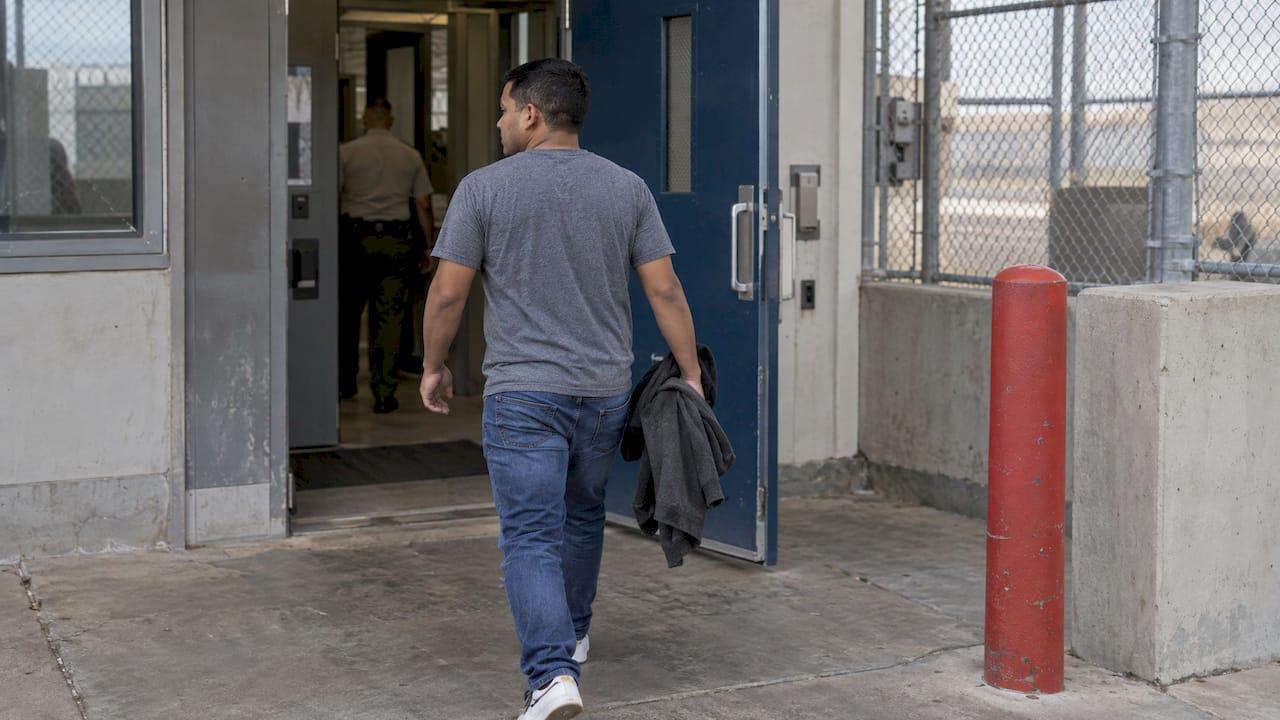
California has no automatic bail break for a first arrest. A clean record does matter, because judges weigh criminal history when they decide whether someone goes home, and at what bail amount. But the biggest factors are the charge, the county and the first court hearing. If bail is set and you need someone out quickly, a licensed bondsman can post it for a 10% premium, and we can start that process at any hour.
This guide explains how release is decided for a first-time arrestee, how the amount is set, what a bond costs in real numbers, and what the person released (and the family that signed for them) must do afterward.
TL;DR
- No California law gives first-time offenders a fixed bail discount. A clean record is one factor a judge weighs, alongside the seriousness of the charge, public safety and the likelihood of returning to court.
- Many people arrested on lower-level charges are released without paying anything: a citation at the scene, release from the jail after booking, or release on their own promise to appear at arraignment.
- If bail is set, each county has a published bail schedule that gives the starting amount. A judge can set it higher or lower at the first appearance.
- A bail bond costs a 10% premium of the bail amount, or 8% with the attorney discount. For $10,000 bail, that is $1,000, or $800.
- Missing a court date can forfeit the bond and bring new criminal charges, so every date matters.
Table of Contents
- Is there a special bail rule for first-time offenders?
- The four outcomes at arraignment
- Release before anyone sees a judge
- How the bail amount is set
- What a bail bond costs, with a worked example
- Your first steps when someone is arrested
- Get a first-time arrestee released
- After release: what the court expects
- Our perspective
- FAQ
- Sources
Is there a special bail rule for first-time offenders?
No. What exists is a set of factors, and a first arrest usually helps on several of them. Under Penal Code section 1275, a judge setting, reducing or denying bail must consider the protection of the public, the seriousness of the charge, the person's previous criminal record, and the probability that they will appear at trial or at a hearing. Public safety comes first.
So "first-time" is a point in your favor on the record factor, but it does not override the others. A first arrest for a serious or violent felony is treated very differently from a first arrest for a petty theft or a simple drug possession charge. For more on how those factors play out, see our guide to the factors judges consider when setting bail.
One detail in section 1275 matters for people with a past case: for serious or violent felonies, the law requires a judge to find "unusual circumstances" on the record before reducing bail below the county schedule. It also says that making every earlier court appearance, or committing no new offense, does not count as unusual circumstances. A clean record helps, but it is not a guaranteed discount on the most serious charges.
The four outcomes at arraignment
Arraignment is the first court hearing, where the charges are read and release is decided. According to the California Courts Self-Help Guide, the judge can:
- Release the person on their own recognizance (often called OR), which is a promise to return to court, with no money paid.
- Release them under supervision, such as home detention or an ankle monitor.
- Set bail, with the person returning to jail until it is posted.
- Order no bail, so the person is held until the case ends.
The Self-Help Guide says the judge looks at the type of crime (felony or misdemeanor), whether it involved domestic violence, public safety and flight risk. It also notes that someone charged only with misdemeanors is typically released on their own recognizance, with exceptions such as domestic violence cases.
That is where most first-time arrestees on low-level charges land. The practical lesson: if the charge is a misdemeanor, bail may never become necessary. If it is a felony, or a misdemeanor with an exception like domestic violence, plan on bail being a real possibility and learn the number early.
Release before anyone sees a judge
The first hours often matter most, because release can happen before arraignment.
The California Courts' pretrial release infographic explains that officers can cite and release people for infractions and certain misdemeanors. Anyone who stays booked has a bail amount taken from a predetermined bail schedule. Pretrial services staff may assess eligible people in custody and give a report to the court, and a judicial officer can release someone before arraignment based on that report. Anyone released this way must still attend arraignment.

Some counties now publish formal protocols. Contra Costa Superior Court's June 2026 announcement describes a pre-arraignment release protocol: people arrested on certain non-violent, non-serious felony and misdemeanor charges are released without bail, either by citation at arrest or after booking. People arrested for serious or violent felonies, or while on felony probation, parole or post-release supervision, are not eligible. The schedule took effect July 8, 2026.
This varies by county, so the first call to the jail or a bondsman should always be about that county's practice and that charge.
How the bail amount is set
Each of California's 58 superior courts adopts its own uniform bail schedule, a list that gives a standard bail amount for each offense. Under Penal Code section 1269b, the county's judges prepare, adopt and revise it each year. Once bail is posted in the scheduled amount, the person must be discharged from custody. Traffic infractions and misdemeanors follow a statewide Judicial Council schedule instead, according to the Committee on Revision of the Penal Code.
The schedule is a starting point. San Joaquin County's 2026 Uniform Bail Schedule, effective July 23, 2026, is a good example of what families can look up. It states that at first appearance the magistrate may set bail above or below the scheduled figure after considering the likelihood of appearing, victim safety, seriousness of the offense and criminal record. The same schedule says a person charged only with misdemeanors is entitled to release on their own recognizance unless release would compromise public safety or not reasonably ensure appearance.
To find your county's number, look up its superior court's current schedule, or read our plain-language explainer on what a bail schedule is.
Why ability to pay now matters
California Supreme Court decisions (In re Humphrey, then In re Kowalczyk) changed how judges approach money bail. As summarized in the Committee on Revision of the Penal Code memo of October 2026, a court may impose cash bail only on clear and convincing evidence that no non-financial condition will protect public safety and ensure return to court. If it does, the amount must be one the defendant can reasonably attain, based on an individualized review that includes the seriousness of the offense, prior record and history of complying with court orders.
For a first-time defendant, a short or absent record and ties to the community can support that individualized review. Your attorney is the person to argue it at the hearing.
Hearings for serious charges
For serious or violent felonies, certain domestic violence and stalking offenses, and specified assault offenses, Penal Code section 1270.1 requires an open-court hearing before release at any amount other than the schedule, or on own recognizance. The court considers past court appearances, the maximum potential sentence, danger to others, and the person's community ties and ability to post bond. Expect more delay and less predictability on these charges, which is why starting the paperwork early helps. Our pages on assault bail and felony bail bonds cover the typical situations.
What a bail bond costs, with a worked example
Paying the full bail to the court in cash is one way to get someone out. A bond is the other: a licensed bondsman posts the full amount and you pay a premium. Our premium is 10% of the bail amount, and attorneys receive our 8% rate. The full breakdown is on our bail bond cost page, and our guide to cash bail versus a bond shows what each route returns to the family.
| Bail amount | Premium at 10% | Premium at 8% (attorney discount) |
|---|---|---|
| $5,000 | $500 | $400 |
| $10,000 | $1,000 | $800 |
| $20,000 | $2,000 | $1,600 |
| $50,000 | $5,000 | $4,000 |
For a first-time misdemeanor with a modest scheduled bail, the premium can be a manageable figure, and we offer options for qualified co-signers, including 0% down and payment plans, as well as our $500 down bail bonds. Bonds with us range from $1,000 to $1,000,000.
Your first steps when someone is arrested
- Find out where the person is held and the charge. The county jail's booking information gives the charge and the bail amount. You need both to know whether bail is likely to be needed at all.
- Check whether release without bail is possible. If the charge is a misdemeanor or a lower-level offense, the person may be cited and released, or released after booking. If not, arraignment is when the judge decides.
- Call us before you pay anything. Consultations are free and we answer 24/7. You speak with the bondsman directly, not a call center. We serve all 58 counties and offer bilingual support in Spanish, Hindi and Arabic.
- Identify the co-signer. A co-signer is the adult who guarantees the bond and the person's court appearances. Before signing, read our guide to cosigner responsibilities so the family knows exactly what the commitment is.
- Complete the paperwork online if that is easier. Our online bail bonds service lets a family start from home, which helps when the co-signer is far from the jail.
- Plan the court date. Write down every hearing date and arrange transportation before the person leaves custody.
If the charge is a misdemeanor, see our misdemeanor bail bonds page. For a felony, go to felony bail bonds.
Get a first-time arrestee released
When bail is set and the family needs the person home, we handle the bond directly, in any California county, with free consultations and a 24/7 line. Qualified co-signers can ask about 0% down and payment plans, and attorneys have our 8% rate. Start on our California bail bonds page.
After release: what the court expects
Getting out is the first half of the case. The second half is showing up.
Under Penal Code section 1305, the court must declare bail forfeited if a defendant fails to appear without sufficient excuse at arraignment, trial, judgment or another required occasion. If the defendant appears voluntarily or in custody within 180 days of the forfeiture (or of notice, where notice is required), the court must vacate the forfeiture and exonerate the bond on just terms.
There is also a criminal side. Penal Code sections 1320 and 1320.5 make willful failure to appear to evade court process a misdemeanor for misdemeanor OR release, and a felony for felony OR release or bail on a felony. The Lassen County Superior Court also notes that missing court can lead to an arrest warrant and a separate charge, whatever happens in the original case.

The simple protections: keep a written list of dates, give the court and the attorney a working phone number, and call us the moment something threatens a date. We offer personal guidance through every court date, so the person released is not managing the schedule alone. Our guide to how bail bonds work step by step walks through the whole timeline.
Our perspective
Families call us in the worst hour of their year, and most of them have never heard the word "arraignment" before. What they need first is a clear picture: what the charge means, what the county schedule says, and what the bond costs.
We believe a first arrest should not turn into a long stay in jail because nobody could explain the process. That is why you reach a bondsman directly, not a call center, and why we cover every one of California's 58 counties, around the clock, in English, Spanish, Hindi and Arabic.
The 10% premium is the same for everyone, our attorney rate is 8%, and for qualified co-signers we offer 0% down and payment plans. We walk families through the co-signer's role and every court date, so a bond is a plan with a happy ending: the person home, the dates kept, the case moving forward.
Jake
FAQ
Will a first-time offender be released without paying bail?
Often, for lower-level charges. People arrested for misdemeanors are typically released on their own recognizance at arraignment, according to the California Courts Self-Help Guide, with exceptions such as domestic violence cases. Some counties also release eligible people before arraignment, and for more serious charges bail is more likely.
How much is bail for a first offense in California?
It depends on the county and the charge, because each county's superior court adopts its own schedule. Look up the schedule for the county where the person is held, then call us and we can work out the premium: 10% of the bail amount, or 8% for attorneys.
Can bail be lowered for a first-time offender?
Yes, a judge can set bail above or below the schedule at the first appearance, considering factors including prior record and likelihood of appearing. For serious or violent felonies, the law requires a finding of unusual circumstances before bail goes below the schedule. An attorney can request a bail review.
Who can sign for the bond?
A co-signer is typically a family member or friend who guarantees the bond and the person's court appearances. We offer 0% down and payment plans for qualified co-signers, and consultations are free.
Sources
- The arraignment, California Courts Self-Help Guide
- California Penal Code section 1275
- Pretrial Release Process Infographic, California Courts
- Contra Costa Superior Court bail schedule announcement
- California Penal Code section 1269b
- Staff Memorandum 2026-09, Committee on Revision of the Penal Code
- San Joaquin County 2026 Uniform Bail Schedule
- California Penal Code section 1270.1
- California Penal Code section 1305
- California Penal Code sections 1320 and 1320.5
- Lassen County Superior Court, Criminal