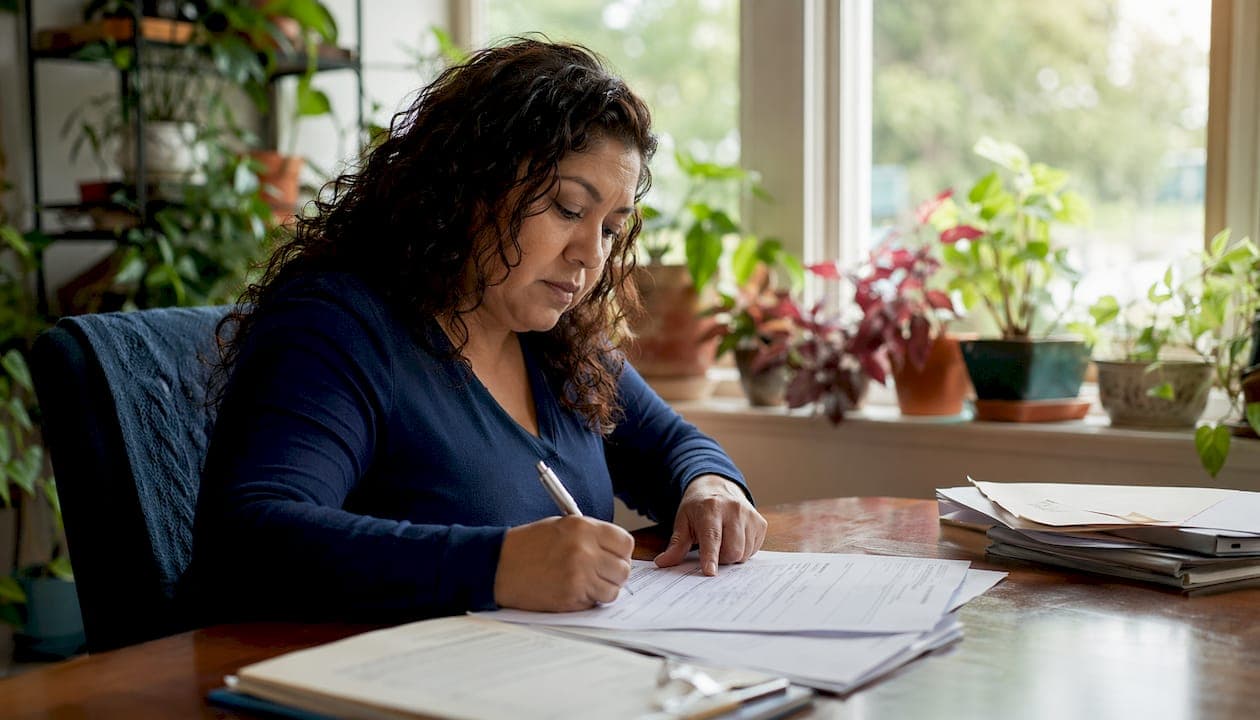
Bail paperwork completion is defined as the process of signing two binding legal documents, a bail bond application and an indemnity agreement, that authorize a licensed bondsman to post bail and secure a defendant's release from custody. Understanding how bail paperwork gets completed gives you real control over the timeline. Errors in this process cause delays that keep your loved one in jail longer than necessary. Jakehernandezbailbonds handles this process every day across all 58 California counties, and the steps are more manageable than most families expect.
How bail paperwork gets completed: the core documents
The bail bond application is the starting point. It requires precise defendant information, including the defendant's legal full name, date of birth, booking number, charges, custody location, and bond type. Incorrect information leads to processing rejection by jail systems, which means your loved one stays in custody while you restart the process.
The second document is the indemnity agreement. This contract legally binds you, the cosigner, to guarantee the defendant's court appearances and accept full financial responsibility if the defendant fails to appear. The indemnity agreement creates obligations that include authorizing the bondsman to use recovery agents if the defendant skips court.
The documents needed for the bail bond process include:
- Defendant's legal full name (no nicknames, no shortened versions)
- Date of birth (exact, matching booking records)
- Booking number (assigned at the jail during intake)
- Charges and bail amount (as set by the court or schedule)
- Facility name and location (the specific jail holding the defendant)
- Cosigner's government-issued ID (driver's license or passport)
- Cosigner's proof of income or employment (required for payment plans)
- Collateral documentation (property titles or vehicle titles for larger bonds)
For larger bail amounts or higher-risk cases, bondsmen require documented collateral like property titles or vehicle titles clearly outlined before signing. This protects both parties and prevents disputes later.
Pro Tip: Call the jail directly to confirm the exact booking number before contacting a bondsman. Booking numbers change if a defendant is transferred between facilities, and using an outdated number is one of the most common causes of paperwork rejection.
What does the step-by-step signing process look like?
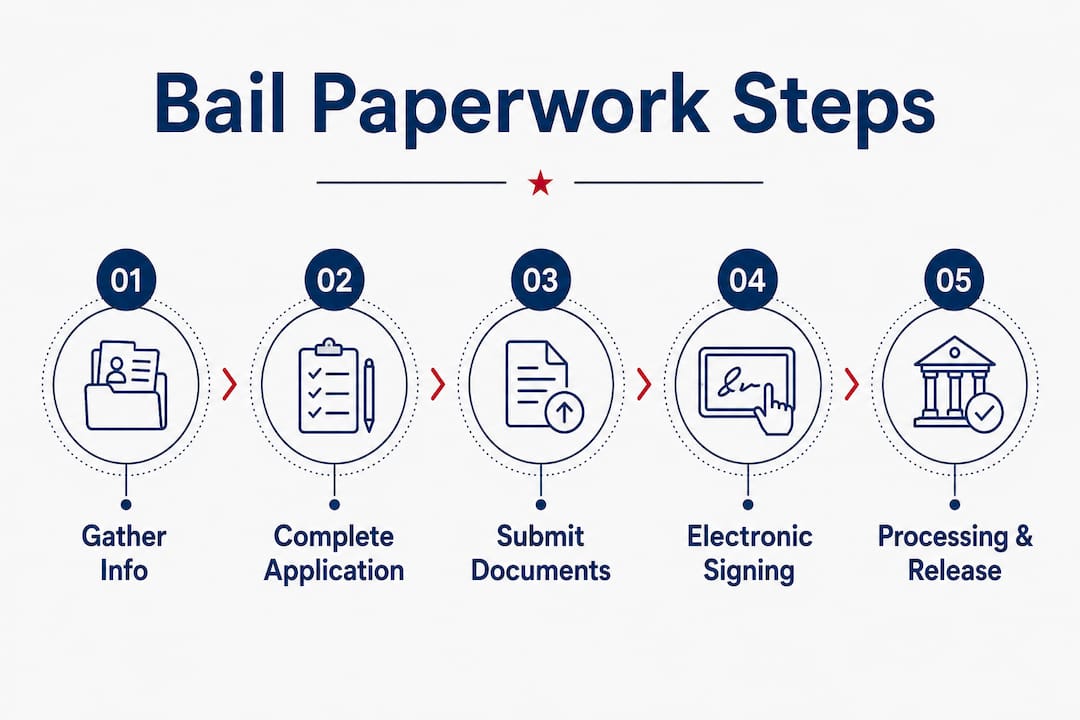
The bail paperwork process follows a clear sequence. Skipping steps or rushing through them creates problems that slow release.
- Confirm bail amount. Contact the jail or check online court records to verify the exact bail amount set by the judge or bail schedule.
- Gather defendant information. Collect the legal name, date of birth, booking number, facility name, and charges before calling a bondsman.
- Contact a licensed bondsman. Provide all defendant details. The bondsman calculates the premium and explains collateral requirements.
- Review and sign the bail bond application. Read every field carefully. Confirm all defendant information matches jail records exactly.
- Review and sign the indemnity agreement. This is the binding financial contract. Read every clause before signing.
- Pay the premium. Standard premium fees are typically 10%–15% of the bail amount, non-refundable even if charges are dropped or the case resolves early.
- Provide collateral documentation if required. Submit property titles, vehicle titles, or other agreed assets in writing.
- Bondsman files paperwork with the jail. The bondsman submits the completed bond to the facility. Jail staff then begin their internal release process.
The signing process is often done remotely today via electronic signatures, which speeds up filing with courts and jails. This matters especially when cosigners live out of state or cannot travel quickly. Jakehernandezbailbonds offers remote signing so families do not lose hours to unnecessary travel.
Pro Tip: Request a full fee schedule in writing before signing anything. Most cosigners focus only on the premium but miss processing fees, payment plan terms, and collateral return conditions. Getting these in writing prevents financial surprises.

What causes delays after paperwork is submitted?
Paperwork errors are the leading cause of avoidable release delays. Inaccurate or incomplete defendant information like nicknames or wrong booking numbers can delay release by 12 or more hours in a significant portion of cases due to jail rejection of paperwork. That is time your loved one spends in custody for a preventable reason.
Beyond paperwork errors, jail processing itself takes time. Jail staff must complete classification, verify holds, clear warrants, process property, and complete health reviews before releasing the defendant. These steps happen after the bond is posted and are outside the bondsman's control.
Common causes of delay include:
- Wrong legal name or nickname used on the bail bond application
- Incorrect booking number due to facility transfer or data entry error
- Outstanding warrants or holds from other jurisdictions that must clear first
- Incomplete collateral documentation that requires additional paperwork
- Cosigner missing required ID or income verification at signing
- Repeated calls to the jail that interrupt processing and slow staff response
The best way to avoid delays is to submit complete, accurate information the first time. Verify every detail with the jail before handing it to the bondsman. Once the bond is posted, let the process run. Calling the jail repeatedly does not speed up release and can actually slow it down by pulling staff away from processing.
Staying organized as a cosigner also reduces stress. Keep copies of every document you sign. Write down the bondsman's name, license number, and direct contact. Note the time the bond was posted. This information becomes critical if a problem arises.
What legal and financial responsibilities come with signing?
Signing bail paperwork is a serious legal commitment. Many cosigners underestimate what they are agreeing to, and that misunderstanding creates real financial risk.
The indemnity agreement binds you to the following:
- Guarantee of court appearance. You are legally responsible for making sure the defendant appears at every scheduled court date.
- Full bail liability. If the defendant fails to appear, you owe the full bail amount, not just the premium already paid.
- Recovery agent authorization. You authorize the bondsman to hire a recovery agent (bounty hunter) to locate and return the defendant.
- Non-refundable premium. The 10%–15% premium is the bondsman's earned fee. It does not come back if the case is dismissed.
- Collateral forfeiture. If the defendant absconds and cannot be recovered, any collateral you pledged can be seized to cover the bond.
Industry experts stress that cosigners must read every clause in bail documents carefully, since bondsmen can explain mechanics but cannot offer legal defense advice. If you have questions about the legal implications, consult an attorney before signing. Understanding bail forfeiture proceedings before you sign protects you from outcomes that catch most cosigners off guard.
Most cosigners mistake the premium as the only cost. Requesting full fee schedules, payment plan terms, and collateral return conditions in writing before signing prevents disputes. Clear financial terms protect you from unexpected liabilities down the line.
Key Takeaways
Completing bail paperwork correctly the first time is the single most effective way to avoid delays and protect yourself financially as a cosigner.
| Point | Details |
|---|---|
| Two documents required | Sign both the bail bond application and the indemnity agreement to initiate release. |
| Exact defendant data matters | Use the legal full name, exact date of birth, and correct booking number to prevent jail rejection. |
| Premium is non-refundable | The 10%–15% fee is earned by the bondsman regardless of case outcome. |
| Cosigner bears full liability | If the defendant skips court, you owe the full bail amount and risk losing collateral. |
| Remote signing speeds release | Electronic signatures allow out-of-area cosigners to complete paperwork without travel delays. |
What I've learned from watching families rush through bail paperwork
The biggest mistake I see is speed without accuracy. Families are scared, they want their person out immediately, and they rush through every form without reading it. That urgency is completely understandable. But a single wrong digit in a booking number can add 12 or more hours to the release timeline. Slowing down for 10 minutes to verify information saves hours of waiting.
The second thing I've learned is that most cosigners do not fully understand the indemnity agreement until something goes wrong. By then, it is too late. The financial exposure is real. If the defendant misses a court date, you are on the hook for the full bail amount, not just the premium you already paid. That can be tens of thousands of dollars. Before you sign, ask the bondsman to walk you through every obligation line by line. A good bondsman will take that time.
Timing expectations also matter. Families often think that once the bond is posted, release happens within the hour. Jail processing takes time regardless of how fast the paperwork moves. Classification, warrant checks, health screenings, and property processing all happen on the jail's schedule. Knowing this in advance keeps families from panicking or making repeated calls that slow things down further.
My honest advice: treat the paperwork like a contract, because it is one. Verify every detail, read every clause, and ask every question before you sign. That approach gets people home faster and keeps cosigners protected.
— Jake
Jakehernandezbailbonds is ready when you need it
When bail is set and every minute counts, Jakehernandezbailbonds is available 24/7 to walk you through the entire bail paperwork process from start to finish. The team handles remote electronic signing, accurate document preparation, and direct filing with jail facilities across California.
Jakehernandezbailbonds covers California jails statewide, from Men's Central Jail in Los Angeles to facilities in San Bernardino, Santee, and beyond. Payment plans and 0% down options are available for qualified cosigners, and bilingual support means no family gets left behind due to a language barrier. Call or contact Jakehernandezbailbonds now for a free consultation and get your loved one home faster.
FAQ
What documents are needed for the bail bond process?
The bail bond application requires the defendant's legal full name, date of birth, booking number, charges, and facility location. The cosigner also needs a government-issued ID and, for payment plans, proof of income.
How long does completing bail forms typically take?
Completing the bail bond application and indemnity agreement usually takes 30–60 minutes when all defendant information is ready. Remote electronic signing speeds this up significantly for out-of-area cosigners.
Can bail paperwork be signed remotely?
Electronic signatures are widely accepted today, allowing cosigners to complete bail paperwork from any location. This removes travel time and allows the bondsman to file with the jail faster.
Why is the booking number so critical on bail forms?
The booking number is the jail's unique identifier for the defendant. An incorrect booking number causes the jail to reject the paperwork, which delays release by hours until the correct information is resubmitted.
Is the bail bond premium refundable if charges are dropped?
The premium, typically 10%–15% of the bail amount, is non-refundable regardless of case outcome. It is the bondsman's earned compensation for guaranteeing the bond, not a deposit.