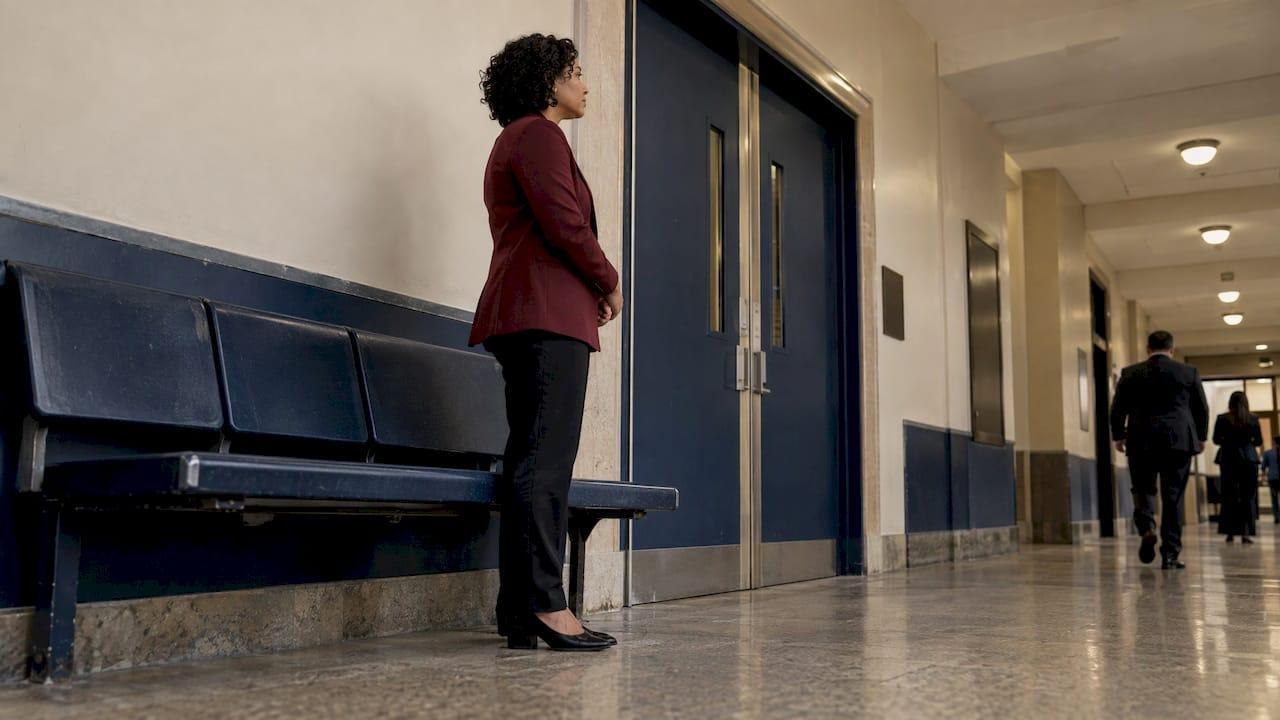
If someone you love was arrested at a protest in California, the fastest path out of jail is usually a bail bond posted after booking, and the first steps are to find where they are held, learn the bail amount and get a lawyer involved. Most protest charges are misdemeanors, which often means a modest bail amount. A bond typically costs a 10% premium of that amount. This guide covers what the person in custody should do, what the charges mean, how bail gets set and what a co-signer agrees to.
TL;DR
- The person arrested should give their name and basic identifying information, then say they want to remain silent and want a lawyer. Nothing else.
- California law gives them at least three free local phone calls after booking, and one can go to a lawyer, a bail bondsman or a relative.
- Common protest charges are Penal Code 405, 407, 409, 602(m) and 148(a). Misdemeanors can carry up to a year in county jail.
- Bail is first set by the county schedule, and a judge can change it at the first court appearance.
- A bond premium is 10% of bail, and a co-signer is responsible if the defendant misses court. Read every page before signing.
Table of Contents
- What the arrested person should do first
- Your three phone calls
- Write things down while they are fresh
- Charges that come with protest arrests
- How bail gets set
- Your release options
- What a bond costs with us
- What a co-signer takes on
- How to help from out of town
- Our perspective
- Getting someone out today
- A short checklist for the first 24 hours
- FAQ
- Sources
What the arrested person should do first
The first hours decide a lot, and most of the advice is about saying less. Civil liberties groups agree on the core: tell police your name and basic identifying information but nothing else, say you want to remain silent and say you want a lawyer. You have the right to ask why you are being arrested. After that, stop talking.
A few related points:
- Do not consent to searches. CAIR California advises never agreeing to a search of yourself or your belongings, and not signing anything without a lawyer.
- Do not talk it over with others in custody. Anything said in a holding cell can come up later.
- Do not try to talk your way out. The National Lawyers Guild notes that police may lie to you, and it can be illegal for you to lie to them. Its safest script is to say you will remain silent and want a lawyer.
- Immigration status does not change this. The ACLU of Southern California says you can stay silent or answer only with an attorney present no matter your citizenship or immigration status.
Our longer guide on your rights during an arrest in California goes deeper on what officers can and cannot do.
Your three phone calls
Booking is the moment the clock starts. Under California Penal Code 851.5, an arrested person has the right to at least three completed local calls at no cost, immediately after booking and no later than three hours after arrest. The calls can go to:
- An attorney of their choice, and that call may not be monitored or recorded.
- A bail bondsman.
- A relative or another person.
A custodial parent of a minor child gets two additional free local calls to arrange childcare.
If you are the one who gets the call, write down the person's full name, date of birth, the jail or station where they are held and the booking number if they have it. The date of birth and the name are usually enough for jail staff to find the record. The booking process in California explains what happens between the arrest and the point where bail can be posted.
Write things down while they are fresh
Protest arrests are often chaotic, and the details matter later. Once released, or through a family member if the person is still held, record everything. The ACLU of Southern California suggests writing down what you remember, including badge and patrol car numbers, getting witness contact information and photographing any injuries. One Los Angeles defense firm adds that agency names and uniform patches are worth noting, and that arrest paperwork, photos, video and witness names should be saved.
Hand all of this to the defense attorney. It is theirs to use, not yours to post online.
Charges that come with protest arrests
The charge shapes the bail amount, so it helps to know the usual ones. A National Lawyers Guild guide lists these protest-related charges:
| Penal Code | Charge |
|---|---|
| 405 | Participating in a riot |
| 407 | Unlawful assembly |
| 409 | Failure to disperse |
| 602(m) | Trespassing |
| 148(a) | Resisting, obstructing or delaying an officer |
The same guide notes that misdemeanors can carry up to one year in jail and fines. A booking sheet may list several of these at once, and some people are cited and released at the scene instead of being taken to jail.
An arrest is not a conviction. Defense attorneys point out that mass arrests often lack individualized probable cause, and that dispersal orders have to be lawful, clearly communicated and give people a real chance to leave safely. Whether any of that applies is a question for the defense lawyer, not something to argue with officers.
Most of these charges are misdemeanors, so our pages on misdemeanor bail bonds and felony bail bonds cover both paths. Violence allegations or property damage can lead to felony charges and a much higher bail figure.
How bail gets set
There are two stages. Before any court appearance, the sheriff or other custodial authority sets bail from the county's bail schedule. At the first appearance, a judicial officer may set a different amount, with public safety the primary consideration. Every county publishes its own schedule, so the same charge can carry a different amount in Los Angeles, Alameda or San Joaquin.
To learn the amount, families can use the online inmate locator on the county sheriff's website or call the county jail. Have the full name and date of birth ready.
Why speed matters
If bail is not posted, the same ACLU brochure says a person may be held about 48 hours, sometimes up to five days, until arraignment. Bail can be posted after booking for immediate release. Waiting means days of missed work, missed childcare and, in a protest case, a stretch in a crowded facility.
For county-specific timing, see our step-by-step guides for Pasadena, Santa Clara and Stockton.
Your release options
There are three broad routes out of jail before trial.

Release without paying. Some people are cited and released, or released on their own recognizance, meaning on a written promise to appear. Whether that happens depends on the charge and the court, and not every arrested person gets it.
Cash bail. You can pay the full amount directly to the court. It can be refunded if the defendant attends all court appearances, minus certain fees. That works only if the family can tie up the whole sum for months.
A bail bond. A licensed bondsman posts the bail for a fee, so the family does not need the full amount. In California the standard premium is 10% of the bail amount, and it is not refunded whatever the case outcome. On a $50,000 bail, that is $5,000.
If the bail is high, or the family would rather pledge a home than pay a premium, there is also a property bond. We compare it with a standard bond in property bond vs surety bond in California.
For a full walkthrough of the bond process, read how bail bonds work in California.
What a bond costs with us
The premium on our bail bond cost page is 10% of the bail amount. Attorneys get an 8% rate. Using the same arithmetic as above:
| Bail amount | 10% premium | 8% attorney rate |
|---|---|---|
| $5,000 | $500 | $400 |
| $20,000 | $2,000 | $1,600 |
| $50,000 | $5,000 | $4,000 |
Misdemeanor protest charges often come with bail in the low thousands under county schedules, but the exact figure depends on the county and the charge, so check the schedule or ask us. We offer payment plans and 0% down options for qualified co-signers, and a free consultation tells you what applies to your case.
What a co-signer takes on
This is the part families rush through, and it deserves a slow read. A co-signer, also called an indemnitor, promises to make sure the defendant appears in court every time.
- If the defendant misses court, the co-signer is financially liable for the full bail amount, and agents may move to seize collateral such as real estate or vehicles.
- Contracts can be broad. A UCLA Criminal Justice Reform Clinic report found that bail bond contracts hold the indemnitor responsible for additional expenses after a breach by the accused. That is why you should read the whole agreement and ask about anything unclear.
- California law gives co-signers a protection. The Attorney General and the Insurance Commissioner have argued that premium financing agreements are consumer credit contracts, which require a plain language notice to co-signers about the obligation they take on.
The Attorney General has also noted that co-signers often sign under time pressure and in emotional situations. So take the time to ask questions. Whoever you work with should answer plainly: what the total cost is, what is due now, what the payment schedule is and what collateral, if any, is involved. If collateral is on the table, a defense attorney can review that part of the agreement.
The best protection is simple: make sure the defendant understands that every court date is a firm obligation. We cover this in before you cosign: California cosigner responsibilities and 10% cost.
How to help from out of town
Protests draw people from across the state and beyond. If the arrested person is in a California jail and you are in another state, you do not need to travel. Paperwork can be handled online and by phone, and we explain the steps in how to bail someone out of California jail from another state. Our online bail bonds page shows how that works.
Our perspective
Protest arrests are different from most calls we get. The person in custody is often someone with no record, a job to get back to and a family that has never dealt with a jail. The charge is usually a misdemeanor, but the confusion is real.
What we tell families is this: do the legal basics first. The person arrested stays silent and asks for a lawyer. You find the booking number and the bail amount. Then you call someone who will walk you through the bond, not read you a script.
We built our service around that. You reach a practitioner, not a call center and not a middleman. We cover all 58 California counties, we are available 24/7, and we offer bilingual support in Spanish, Hindi and Arabic. Attorneys get their discount applied automatically. For qualified co-signers, we offer 0% down and payment plans, so the premium does not have to be a barrier on the day it matters most.
And we stay with you after release. We help you keep track of the court dates, because showing up is what protects both the defendant and the co-signer.
Jake
Getting someone out today
If you are ready to act, call us any time, day or night. We will confirm the bail amount, explain the premium and walk through what a co-signer signs before anything is signed. Consultations are free, and we serve every county in the state.
Start on our California bail bonds page, or see how our $500 down bail bonds page works for qualified co-signers. For a more complex hold or a federal or immigration matter, call us and we will tell you how we can help.
A short checklist for the first 24 hours
- Confirm where the person is held, using the sheriff's inmate locator or the jail's phone line.
- Get the full name, date of birth and booking number.
- Ask for the bail amount, and ask whether a first appearance is scheduled.
- Contact a defense attorney, or confirm that the person has called one.
- Decide who will co-sign, and gather ID and proof of income or employment.
- Read the full bond agreement before signing and ask about every fee.
- After release, write down court dates and save all paperwork.
It also helps to show up at the arraignment. Legal observers note that family and friends attending can help, as a judge may weigh community ties.
FAQ
How soon can someone be released after a protest arrest?
After booking, bail can be posted for immediate release. The actual time depends on how busy the jail is and how many people were arrested at once. If bail is not posted, a person can be held about 48 hours, sometimes up to five days, until arraignment.
Is a bail bond refundable if the charges are dropped?
The premium is not. In California, the 10% premium is non-refundable regardless of the case outcome. Cash bail paid to the court is different, because it can be refunded if the defendant attends all court dates, minus certain fees.
Who can I call from jail?
Under Penal Code 851.5, the person gets at least three free local calls. They can reach a lawyer, a bail bondsman, a relative or another person. A parent of a minor child gets two more calls for childcare.
Do I need a lawyer if I use a bail bond?
Yes, they do different jobs. A bond gets the person out of jail, and a defense attorney handles the charges and the court case. Ask the attorney to review any collateral or financing terms before you sign them.
Sources
- Know Your Rights: Police Interactions, ACLU of Northern California
- California Penal Code 851.5
- Know Your Rights While Protesting, CAIR California
- Know Your Rights for Protesters, ACLU of Southern California
- Know Your Rights Booklet 2022, National Lawyers Guild
- What Should You Do After a Los Angeles Protest Arrest?
- Know Your Rights, Know Your Reality, National Lawyers Guild
- Arrested at a Berkeley Protest? Your Rights and Charges
- San Joaquin County Uniform Bail Schedule
- What Happens After an Arrest, ACLU San Diego and Imperial Counties
- How Bail Works in California, LegalClarity
- How Do Bail Bonds Work? Power Trial Lawyers
- The Devil in the Details, UCLA Criminal Justice Reform Clinic
- Attorney General Bonta: California Laws Protect Co-Signers
- Criminal procedure in California, Wikipedia