
An interpreter in the bail process is the bilingual person who makes sure the arrested person, their family or co-signer, jail staff, and the bondsman all understand each other during booking and bond posting. This is not a courtroom role. This is a transaction role: confirming the booking number, translating the bail amount and bond type, explaining what the co-signer is agreeing to, and relaying payment instructions clearly enough that no one signs something they don't understand.
Your first move is simple: get the booking number. Then call a bilingual bondsman or ask the jail to connect you with a telephonic interpreter. Everything else flows from those two steps. Jakehernandezbailbonds offers 24/7 bilingual support across California and can walk your family through the entire process from that first call. Under Title VI of the Civil Rights Act, agencies that receive federal funding must provide meaningful language access, which means the jail has an obligation to help, not just a courtesy.
Key Takeaways
An interpreter in the bail process is a transaction facilitator: their job is accurate communication between the co-signer, jail staff, and bondsman, not legal advice.
| Point | Details |
|---|---|
| Get the booking number first | Everything else, including calling a bondsman, requires this one piece of information. |
| Bilingual bondsman is fastest | A bilingual agent handles the full transaction in your language, reducing delays and errors. |
| Verify interpreter credentials | Ask for certification or agency ID; fewer than half of bilingual jail staff hold formal certification. |
| Document the interpreter | Record the interpreter's name, agency, and time of service in case of later disputes. |
| Jakehernandezbailbonds | Provides 24/7 bilingual bail bond services across all 58 California counties with 0% down options. |
Table of Contents
- What is the role of an interpreter in the bail process?
- Who can act as your interpreter during booking and bond posting?
- How to secure interpretation quickly at the jail and with your bondsman
- Documents to bring and phrases to prepare
- How do you verify an interpreter's qualifications?
- Risks and legal limits when using interpreters for bail transactions
- What most families get wrong about language access in bail
- Jakehernandezbailbonds: bilingual bail bond help, available right now
- Sources
What is the role of an interpreter in the bail process?
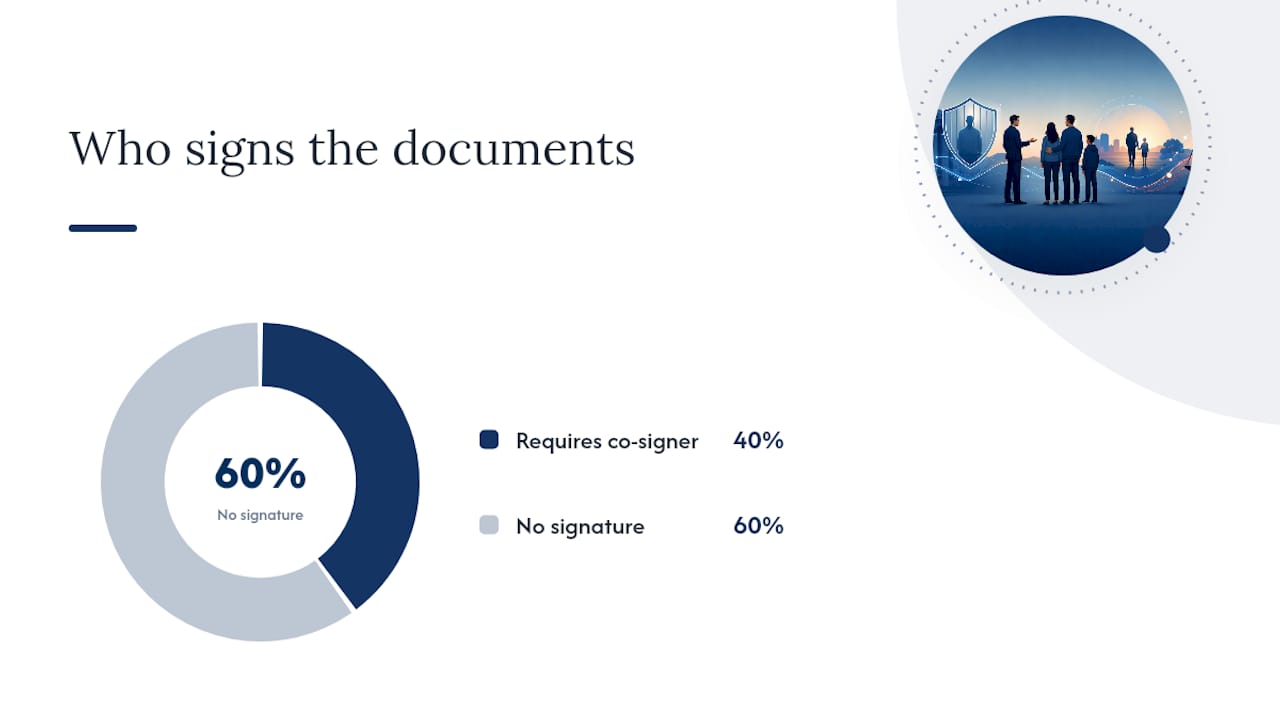
The interpreter's job during booking and bond posting breaks down into five concrete tasks: confirming the inmate's identity and booking number, translating the bail amount and bond type (cash, surety, or property), explaining which documents require a signature and what each one means, communicating payment options and timelines, and relaying the jail's release instructions once the bond is posted.

Important documents include the bond agreement and the indemnity clause. The indemnity clause is the part where the co-signer agrees to be financially responsible if the defendant misses court. That is not a sentence anyone should sign without understanding it in their own language. The interpreter reads it aloud, answers "what does this mean?" questions in plain terms, and confirms the co-signer's consent. What the interpreter does not do is advise on whether signing is a good idea legally. Translate, yes. Advise, no. For legal strategy, the family needs an attorney.
Good communication technique matters here. Per Vera Institute guidance on working through interpreters, keep sentences short, address the person in custody directly rather than talking to the interpreter about them, and avoid side conversations the person in custody cannot follow.
| Task | What to confirm | Who signs | Timing |
|---|---|---|---|
| Confirm identity and booking number | Full name, DOB, charge | No signature | Before any paperwork |
| Translate bail amount and bond type | Dollar amount, bond category | No signature | After booking is confirmed |
| Explain indemnity agreement | Co-signer liability, collateral terms | Co-signer | Before bond is posted |
| Communicate payment options | Premium amount, payment plan terms | Co-signer | Same time as indemnity |
| Relay release instructions | Release timeline, property return | No signature | After bond is accepted |
Who can act as your interpreter during booking and bond posting?
You have five realistic options, and they are not equally good.
- Bilingual bail bonds agent. Fastest and most practical for most families. A bilingual bondsman handles the whole transaction in the client's language, from the first call through paperwork execution, which reduces delays and lowers the risk of misunderstandings that extend detention. No coordination required.
- Bilingual jail or custody staff. Available at many facilities, but a UCI policy brief on language access in local criminal justice systems found that less than half of bilingual staff in surveyed agencies held formal interpreter certification. Availability and quality vary by shift.
- Professional contract interpreter (in-person). Highest accuracy for complex paperwork. Slower to arrange, often requires advance scheduling, and not always available nights or weekends.
- Telephonic interpretation service. On-demand, covers a wide range of languages, and connects quickly. The limitation is that it misses nonverbal cues, which matters when a co-signer looks confused but hasn't said so. Best for straightforward information; less ideal for nuanced indemnity explanations.
- Family member or friend. Widely used in practice, but the Vera Institute documents real concerns: confidentiality risks, conflict of interest, and accuracy problems on legal terminology.
Pro Tip: Avoid using a family member to interpret indemnity agreements or payment terms. They may soften bad news, skip confusing clauses, or feel pressured to agree on the detained person's behalf. For complex paperwork, use a certified telephonic service or a bilingual bondsman instead.
Call the bilingual bondsman first. If no bilingual bondsman is available, call the jail and request telephonic interpretation before you arrive.
How to secure interpretation quickly at the jail and with your bondsman
Speed matters. Every hour of unnecessary detention carries real costs, and acting quickly reduces those harms. Here is the order of operations:
- Find the booking number. Call the jail's main line or check the county inmate locator online. Have the full name and date of birth ready. This step typically takes 10–30 minutes.
- Call a bilingual bondsman immediately. Give them the booking number, inmate's full name, date of birth, charge if known, and the language needed. A bilingual agent can start paperwork remotely while you travel to the facility.
- Request telephonic interpretation from the jail if needed. Say: "I need a Spanish [or your language] interpreter to help me communicate with jail staff about posting bail." Most facilities can connect you within a few minutes.
- Confirm your payment method before you arrive. Know whether you're paying the full premium upfront or using a payment plan. Ask the bondsman: "Do you offer 0% down for qualified co-signers?" Have a credit card, debit card, or cash ready.
- Bring required documents. Government-issued photo ID for the co-signer, proof of address, and the booking number on paper or your phone. If collateral is involved, bring the vehicle title or property documents.
- Confirm release timeline on-site. Once the bond is posted, ask: "How long until release?" Bondsman paperwork and jail processing together typically take 30–90 minutes, though busy facilities or holds can extend that.
Pro Tip: Write the booking number, inmate's full name, and the bondsman's direct phone number on a physical piece of paper before you leave home. Phones die, apps crash, and jail lobbies often have poor signal.
Documents to bring and phrases to prepare
Practitioner guides for families consistently recommend preparing a single information packet before you leave for the jail. It cuts processing time and reduces errors.
Documents to bring or photograph:
- Government-issued photo ID (co-signer)
- Proof of address (utility bill, lease, or bank statement)
- Booking number (written down, not just in your phone)
- Payment method (credit card, debit card, or cash for the premium)
- Vehicle title or property deed if used as collateral
- Power of attorney if the co-signer is acting on behalf of someone else
Key phrases to prepare in your language:
- "I am the co-signer for [full name]."
- "I agree to the bond terms."
- "How much is the bond fee?"
- "When is the next court date?"
- "I need an interpreter in [language]."
- "Can I get a written copy of this document?"
Make photocopies of all documents and keep originals with you. Do not hand originals to anyone unless specifically required.
Pro Tip: Put all required fields, phone numbers, and the booking number on one sheet of paper and hand it directly to the interpreter or bondsman at the start. It eliminates the back-and-forth of repeating information and keeps the process moving.
How do you verify an interpreter's qualifications?
Ask these questions before relying on any interpreter for bond paperwork:
- "Are you certified? By which organization or agency?"
- "Which languages and dialects do you cover?"
- "Have you worked in jail or bail bond settings before?"
- "Can you show me your agency ID or certification?"
Acceptable credentials include professional interpreter certification, a court interpreter exam certificate, or a verifiable agency ID from a contracted telephonic service. Certification signals that the person has been tested on accuracy, impartiality, and professional ethics. Because many bilingual staff in justice settings are not formally certified, the quickest available interpreter may still need on-the-spot verification.
Red flags to watch for:
- Refuses to identify credentials or show ID
- Struggles with consecutive interpretation (listening, then translating)
- Starts giving opinions on what you should sign or agree to
- Has an obvious personal relationship with the detained person
- Skips or summarizes clauses in the indemnity agreement
If a credentialed interpreter is not available in person, request a certified telephonic service or call a bilingual bondsman. Do not proceed with complex paperwork using an unverified interpreter.
Risks and legal limits when using interpreters for bail transactions
The risks are real and specific.
- Inaccurate translation of indemnity terms can result in a co-signer agreeing to obligations they did not understand.
- Family members acting as interpreters may omit information to protect feelings or avoid conflict.
- Telephonic connection problems can cause delays or force a restart of the interpretation session.
- Miscommunicated court dates lead to missed appearances, which can result in bond forfeiture.
- An interpreter who advises on legal choices crosses an ethical line and creates liability.
Under Title VI of the Civil Rights Act, agencies receiving federal funding must provide meaningful language access. The Vera Institute report synthesizes DOJ guidance and field practice: agencies should provide professional interpreters for adjudicatory settings and train staff on how to work through interpreters to protect accuracy and privacy. That obligation applies during intake and booking, not just in court. If a jail refuses to provide language assistance, document it and contact a legal aid organization.
Research on interpreted arraignments found that cases involving interpreters were associated with more limited judicial review and higher cash bonds in a study of 647 arraignments. That finding underscores why accurate, professional interpretation matters from the very first interaction, not just at a hearing.
Pro Tip: Write down the interpreter's full name, agency or badge number, and the time interpretation occurred. Keep that note. If a dispute arises later about what was agreed to or explained, that record is what you hand to an attorney.
What most families get wrong about language access in bail
The standard advice is "ask the jail for an interpreter." That is correct but incomplete. Jails are obligated to provide language access, but the quality of what they provide varies sharply by facility, shift, and language. Bilingual staff who are not certified may translate accurately for simple questions and miss the nuance in an indemnity clause entirely. That gap is where real problems happen.
The smarter move is to arrive with your own language access already arranged. A bilingual bondsman who handles the whole transaction in your language eliminates the dependency on whatever the jail happens to have available that night. The language access gap between formal settings and the informal consultations needed for bond posting is well documented, and it is exactly where families lose time and co-signers sign things they do not fully understand.
Jakehernandezbailbonds: bilingual bail bond help, available right now
When a family member is in custody and no one in the room speaks the same language as the jail staff, the fastest solution is a bondsman who handles both sides of that conversation. Jakehernandezbailbonds provides 24/7 bilingual bail bond services in Spanish, Hindi, and Arabic across all 58 California counties, covering every jail type and charge category.
When you call, have the booking number, the inmate's full name, and the language you need ready. The team starts paperwork immediately, explains the indemnity agreement and bond cost in plain language, and walks the co-signer through every signature. Call Jakehernandezbailbonds now or start the process online at Jakehernandezbailbonds.
Sources
- Language Access in Local Criminal Justice Systems (UCI policy brief)
- Interpreters and arraignment outcomes (peer-reviewed study)
- Translating justice: Language access in NYC public safety agencies (Vera Institute report)
- How language barriers affect the bail process and what to do about it (analysis)
If you need to escalate a language-access problem at a jail or detention facility, bring printed copies of the UCI policy brief and Vera Institute report to an attorney or legal aid organization. Those documents establish what agencies are obligated to provide.
This article is general information, not a substitute for advice from a qualified lawyer. Consult a qualified legal professional about your own circumstances before acting on anything here.