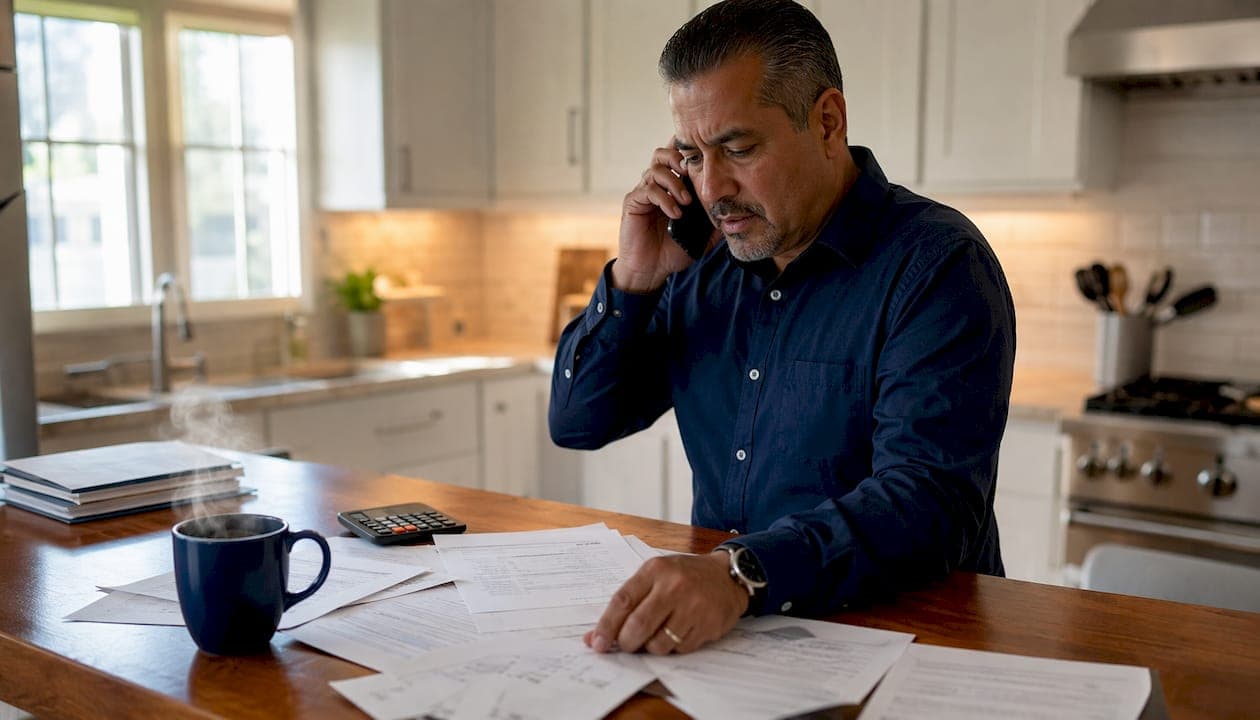
You can secure release after an arrest by posting cash, using a licensed bail bondsman, pledging property, or requesting release on your own recognizance (ROR). Start by getting the booking number — it's the single identifier jail staff use to locate the inmate and give you accurate payment instructions.
Your immediate action list:
- Call the jail or detention facility with the inmate's full legal name and booking number
- Ask for the exact bail amount, accepted payment methods, and current processing hours
- Decide: pay cash in full, use a licensed bail bondsman (typically 10% of bail, nonrefundable), or ask an attorney whether ROR or a bail reduction is worth pursuing first
- If using a bondsman, verify their state license before signing anything
- Head to the facility or courthouse once you have confirmed the payment method and amount
According to the American Bar Association, bail is collateral to secure a court appearance, not a punishment. That distinction matters practically: cash bail is refundable when the case concludes, while a bondsman's premium is not. The U.S. Supreme Court has set an outer boundary of 48 hours for a timely bail hearing, though many jurisdictions move faster. Jakehernandezbailbonds is available 24/7 across all 58 California counties if you need a licensed bondsman right now.
Table of Contents
- What are the main ways to post bail?
- How to post bail step by step
- How does a bail bondsman work?
- How do you verify a bail bondsman is legitimate?
- What happens after bail is posted?
- Key Takeaways
- What families should actually expect during the release process
- Need help right now? Here's how Jakehernandezbailbonds works
- Authoritative sources to verify procedures and licensing
What are the main ways to post bail?
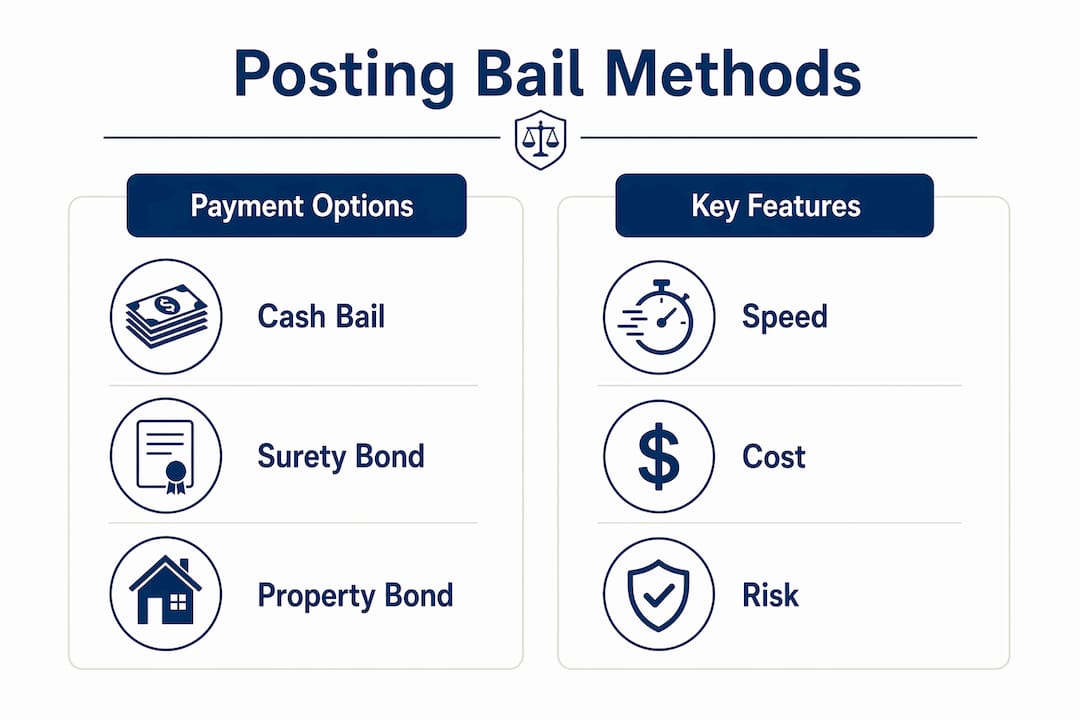
Each method has a different cost, speed, and risk profile. Knowing which one fits your situation saves time and money.
Cash bail
You pay the full bail amount directly to the jail or court, usually in cash or cashier's check. The court holds those funds until the case ends, then returns them minus any court-ordered fines or fees. Cash bail is the fastest option when the amount is manageable, and it's the only option some judges allow for high-risk defendants.
Surety bond (bail bondsman)
A licensed bondsman pays the full bail to the court on your behalf. You pay the bondsman a nonrefundable premium — the industry standard is about 10% of the bail amount — and may need to provide collateral or a co-signer. This is the most common route when the bail amount exceeds what a family can raise quickly.
Property bond
Some jurisdictions allow real property (typically a home with sufficient equity) to serve as collateral. The process is slower because the court must appraise and approve the property, sometimes taking days. Not every state or county accepts property bonds.
Release on own recognizance (ROR)
A judge releases the defendant on a written promise to appear, with no money exchanged. ROR is typically reserved for low-risk defendants with strong community ties, no prior failures to appear, and minor charges. An attorney can sometimes argue for ROR at the first appearance, which is worth exploring before you pay anything.
Bail schedule payments
Many counties publish a bail schedule that sets presumptive amounts for common offenses. If the charge is on the schedule, jail staff can often process release before a formal hearing, which speeds things up considerably.
| Method | Typical upfront cost | Speed | Refund risk |
|---|---|---|---|
| Cash bail | Full bail amount | Fast (if funds ready) | Refundable after case; deductions possible |
| Surety bond | ~10% of bail (nonrefundable) | Fast once bondsman is engaged | No refund on premium |
| Property bond | Equity in real property | Slow (appraisal required) | Property at risk if defendant flees |
| ROR | $0 | Depends on hearing schedule | N/A |
How to post bail step by step
1. Locate the inmate and get the booking number
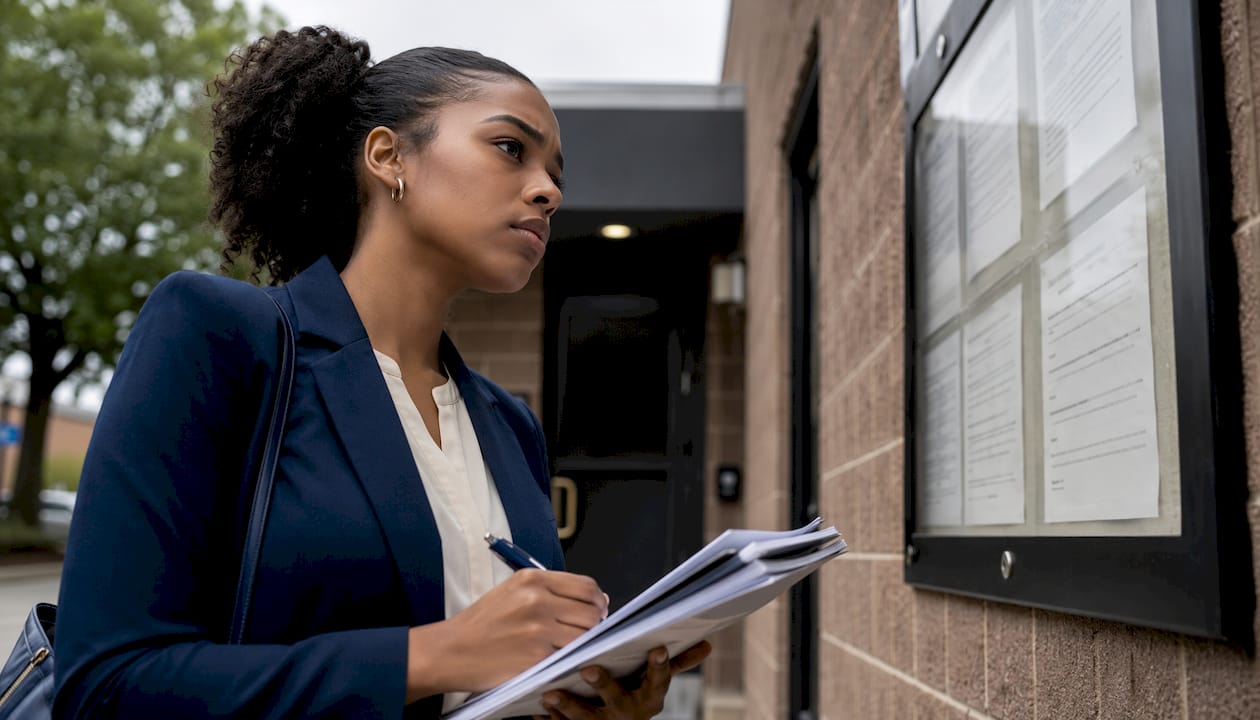
Before anything else, confirm where the person is being held. Facilities vary — county jail, city police station, federal detention center. Call the facility's main line and ask for the booking number. Without it, jail staff cannot give you accurate bail information, and you risk wasting a trip.
2. Confirm the bail amount and payment options
Once you have the booking number, call back and ask three specific questions: What is the exact bail amount? What payment methods do you accept? Are you currently processing releases? Many counties still require in-person payment at the jail or courthouse — never assume online payment is available. Driving to the facility only to find out they only take cashier's checks is a common, avoidable mistake.
3. Decide: cash, bondsman, or attorney first
If the bail amount is small and you have the funds, cash is the cleanest option. If the amount is beyond reach, call a licensed bondsman. If the charge is serious or the bail seems unusually high, consider calling a criminal defense attorney before paying anything — attorneys can sometimes argue for a bail reduction or ROR at the first appearance, which could save significant money. For guidance on what judges weigh when setting bail, the factors judges consider are worth reviewing.
4. Bring the right documents and payment
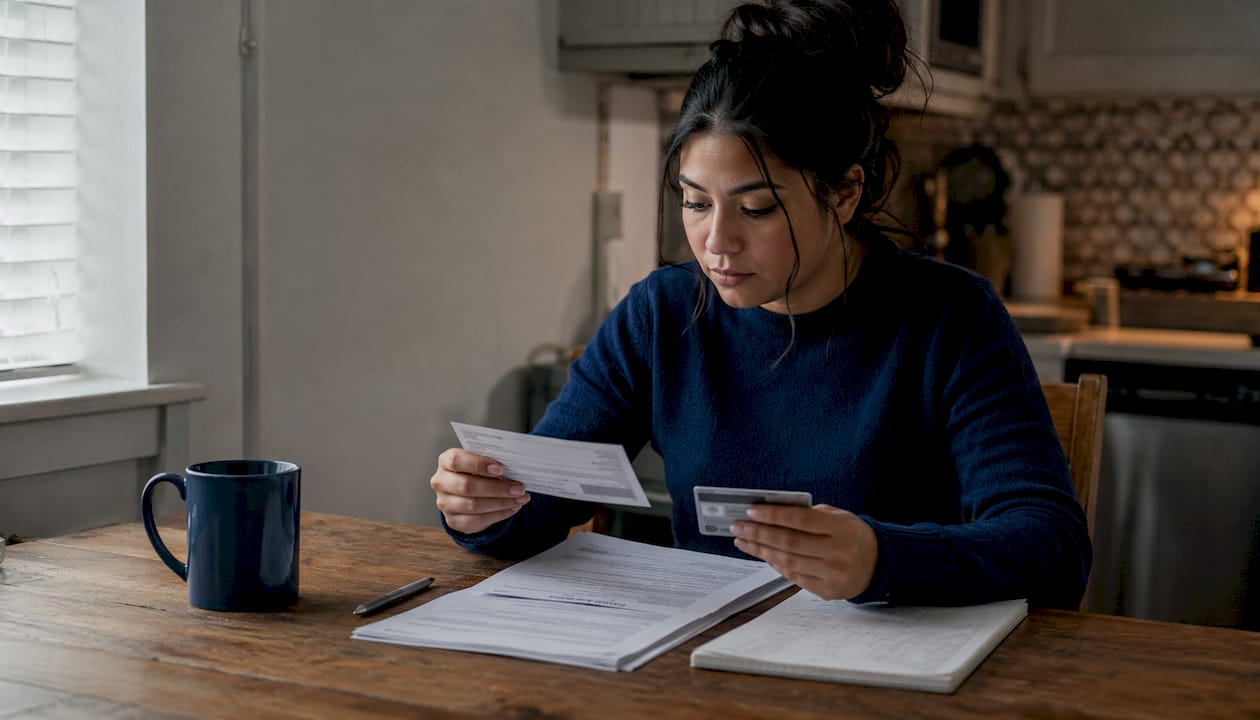
Courts typically accept cash, cashier's checks, and sometimes money orders. Credit cards are rarely accepted at the booking window. Bring a valid government-issued photo ID, the inmate's booking number, and the exact payment amount. If you're working with a bondsman, they'll walk you through the paperwork — but you'll still need ID and the booking details. For a full breakdown of what to expect at the window, the bail paperwork process covers every document in detail.
5. Wait for processing
After payment, release is not immediate. Processing can take anywhere from 30 minutes to 24 hours depending on the facility's workload, staffing levels, and time of day. Daytime weekday payments typically move faster. Friday evenings and weekends are the slowest — some facilities are understaffed overnight, and a payment made at 11 PM may not result in release until morning.
The 48-hour rule: The U.S. Supreme Court has established that a bail hearing must occur within 48 hours of arrest. This is an outer limit, not a target — many jurisdictions hold hearings the same day or the next morning. If no bail has been set yet, this timeline tells you how long the wait could be before a judge reviews the case.
Pro Tip: Post bail early in the morning on a weekday if you can. Facilities process releases faster during daytime hours, and you avoid the Friday-evening backlog that can push release into the next day.
How does a bail bondsman work?
A bail bondsman (also called a surety agent) acts as a financial guarantor. They post the full bail amount with the court and charge you a nonrefundable premium for that service. The standard rate in most U.S. states is 10% of the total bail. On a $10,000 bail, that's $1,000 out of pocket — and you don't get it back even if the defendant is acquitted.
What you actually pay
| Bail amount | Typical 10% premium | What you pay if defendant appears | What you lose if defendant flees |
|---|---|---|---|
| $1,000 | — | — (premium only) | — + potential collateral |
| $10,000 | $1,000 | $1,000 (premium only) | $1,000 + potential collateral |
| — | — | — (premium only) | — + potential collateral |
| —,000 | $10,000 | $10,000 (premium only) | $10,000 + potential collateral |
Use the bail bond cost calculator to estimate your exact premium and explore 0% down options.
Co-signer and collateral obligations
Most bondsmen require a co-signer — someone who agrees to be financially responsible if the defendant misses court. The bondsman may also require collateral: a car title, real estate equity, or other assets. If the defendant fails to appear, the court can forfeit the bond, and the bondsman can pursue the co-signer and seize collateral to recover losses.
Pros of using a bondsman:
- You only need 10% upfront instead of the full bail amount
- A licensed bondsman handles most of the paperwork and knows the facility's process
- Available 24/7 for emergencies
Cons:
- The premium is nonrefundable regardless of outcome
- Co-signers take on real financial risk
- Collateral can be seized if the defendant disappears
Processing time after a bondsman posts bail still depends on the facility. The bond paperwork typically moves quickly — release processing at the jail is the variable.
How do you verify a bail bondsman is legitimate?
Hiring an unlicensed or predatory bondsman is a real risk, especially when you're under pressure. A few minutes of verification protects you from fraud and bad contracts.
Check the license first
Every bail bondsman in the U.S. must be licensed through their state's Department of Insurance or equivalent regulatory body. In California, that's the California Department of Insurance. Ask the bondsman for their license number, then look it up directly on the state agency's website before signing anything. Confirm the license is active, the name matches, and the bond company is listed correctly.
Questions to ask before you commit
- What is your license number, and in which state are you licensed?
- What is the exact premium rate, and are there any additional fees?
- Do you offer payment plans or 0% down options for qualified co-signers?
- Are you available 24/7, including weekends and holidays?
- Will you provide a written contract before I sign anything?
- What collateral do you require, and under what conditions can it be seized?
- Who will be my direct contact — or will I be routed through a call center?
Red flags to watch for
- No physical address or license number provided
- Pressure to pay in cash with no written contract
- Requests for collateral before any paperwork is signed
- Fees significantly below the state-regulated rate (often a sign of unlicensed operation)
- Vague answers about co-signer liability
Pro Tip: Request a written contract and fee disclosure before handing over any money. A legitimate bondsman will never hesitate to provide both. If they push back, walk away.
A quick vetting checklist:
- License number confirmed on state insurance department website
- Written contract provided before payment
- Fee and collateral terms clearly stated in writing
- Physical address and direct agent contact confirmed
- No pressure tactics or off-the-books payment requests
For guidance on what a bail reduction hearing can accomplish before you commit to a bondsman, that resource is worth a look.
What happens after bail is posted?
Release does not mean the legal process is over; families should understand their ongoing legal obligations and how to navigate modifications as explained in the Uncontested Decree Modification in Utah | divvi guide. It means the defendant is free to live at home while the case proceeds, subject to conditions set by the court.
Release conditions
Courts routinely attach conditions to pretrial release: mandatory appearance at all scheduled hearings, geographic restrictions (no leaving the state or country), no-contact orders with alleged victims, and in some cases electronic monitoring. Violating any condition can result in immediate revocation of bail and return to custody, with no refund.
Processing time after payment
Even after bail is posted, the facility controls when the defendant walks out. Processing typically runs 30 minutes to 24 hours, with late-night and weekend payments consistently taking longer. If you're dealing with a weekend arrest, the weekend arrest bail options guide covers what to expect in California facilities specifically.
Cash bail refunds
If you paid cash directly to the court, the funds are held until the case concludes. The court then returns the money to the payer, minus any fines, fees, or court costs the judge orders. Refund timelines vary by jurisdiction — some courts process returns within a few weeks, others take months.
Consequences for missing court
If the defendant misses a scheduled court date, the consequences move fast. The judge issues a bench warrant for immediate arrest. The court can then forfeit the bond — meaning cash bail is lost and a surety bond triggers co-signer liability. A bondsman may also hire a recovery agent to locate the defendant. An attorney can sometimes file a motion to set aside the forfeiture if there was a legitimate reason for the absence, but that window is narrow and not guaranteed.
Key compliance reminder: Every court date is mandatory. Missing even one can cost the co-signer everything they pledged and result in the defendant being held without bail for the remainder of the case.
Key Takeaways
Posting bail after arrest comes down to three things: getting the booking number immediately, choosing the right payment method for your financial situation, and understanding the obligations that come with release.
| Point | Details |
|---|---|
| Booking number is critical | Get it before calling the jail — staff cannot give accurate bail info without it. |
| Bondsman premium is nonrefundable | The standard 10% fee is gone regardless of case outcome; cash bail is refundable. |
| Release takes time | Processing runs 30 minutes to 24 hours; daytime weekday payments move fastest. |
| Co-signers carry real risk | Missing court triggers forfeiture and potential collateral seizure for co-signers. |
| Jakehernandezbailbonds | Licensed across all 58 California counties, 24/7, with 0% down options for qualified co-signers. |
What families should actually expect during the release process
Most families arrive at this process with two wrong assumptions: that bail is a fine, and that posting it means someone walks out in an hour. Neither is true, and both misconceptions cause real problems.
Bail is collateral, not punishment. The money exists to give the defendant a financial stake in showing up. When families understand that framing, the refund rules and forfeiture risks make immediate sense. The 10% bondsman premium is the cost of borrowing that financial guarantee — it's a service fee, not a fine.
The part that catches people off guard is the processing gap. A bondsman can post a bond within an hour of your call. The jail still controls when the defendant physically walks out. Facilities with high booking volume, skeleton overnight staff, or a backlog from a busy weekend can hold someone for hours after the paperwork clears. There's nothing a bondsman or family member can do to speed that up — the best move is to post bail as early in the day as possible and call the facility to confirm the paperwork was received.
The other thing families consistently underestimate is the co-signer obligation. Signing as a co-signer is not a formality. It's a financial guarantee. If the defendant misses court, the co-signer is on the hook for the full bail amount, and collateral can be seized. That conversation needs to happen before anyone signs.
Jakehernandezbailbonds operates directly at California detention facilities — no call center, no middleman. When you call, you reach an agent who knows the specific facility's process, which cuts down on the back-and-forth that adds hours to release. Their 24/7 bail bond process guide walks through exactly what happens from the first call to release.
Need help right now? Here's how Jakehernandezbailbonds works
When you're short on cash and every hour matters, a licensed bondsman who knows your facility is faster than figuring it out alone.
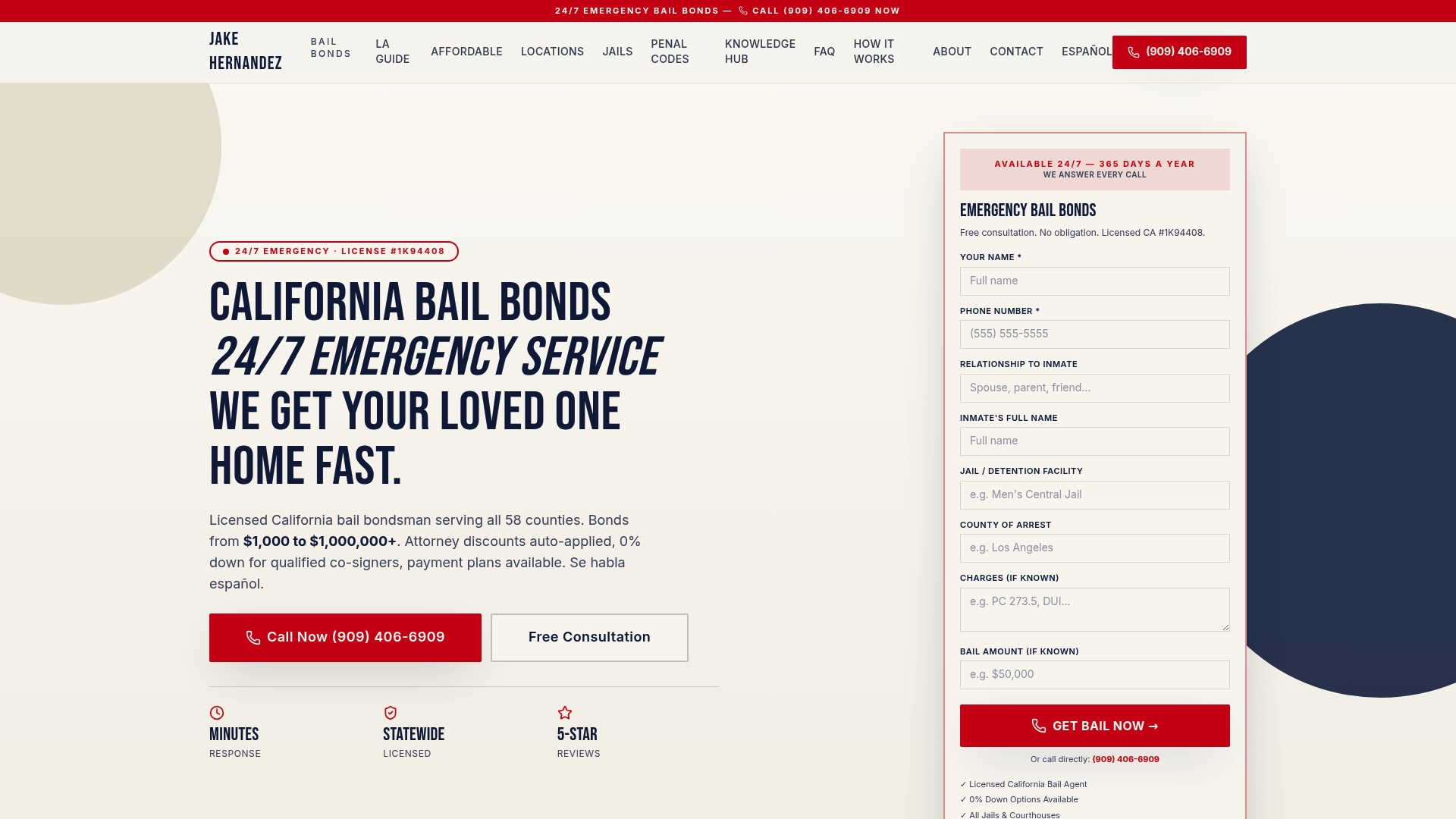
Jakehernandezbailbonds covers all 58 California counties, 24 hours a day, seven days a week. Bonds start at $1,000 and go up to $1,000,000, with 0% down options available for qualified co-signers and flexible payment plans for families who need them. Every client works directly with a dedicated agent — no call center, no hold music, no being passed around. Bilingual support is available for Spanish-speaking families. Every engagement includes a written contract and full fee disclosure upfront, so you know exactly what you're signing before you commit.
If you're near Los Angeles, walk-in help is available at Men's Central Jail. For San Bernardino, the Central Detention Center location is staffed around the clock. For a full list of covered facilities, visit jakehernandezbailbonds.com or call now for a free consultation. The sooner you call, the sooner the paperwork starts.
Authoritative sources to verify procedures and licensing
Bail rules, schedules, and bondsman licensing requirements vary by state and county. Always confirm the current rules with the official source for your jurisdiction before acting.
- California Department of Insurance — verify any bondsman's license number and active status at insurance.ca.gov
- American Bar Association — plain-language explanation of how bail works in the U.S. court system
- FindLaw — Bail Hearing Procedures — covers bail schedules and judicial discretion in setting amounts
- Congress.gov — Federal Bail Law Overview — authoritative summary of federal pretrial release rules and detention standards
- Cornell Law School LII — Federal Rules of Criminal Procedure, Rule 46 — the governing rule on bail forfeiture and bond exoneration
- County jail inmate locators — search "[County Name] inmate locator" to find booking numbers and facility contact information for your specific jurisdiction
La norme des 48 heures : La Cour suprême des États-Unis a établi qu'une audience de cautionnement doit avoir lieu dans les 48 heures suivant l'arrestation. Il s'agit d'une limite légale maximale, et non d'un délai habituel.
When you contact a bondsman, request two documents before signing: a written contract with all fees itemized, and their state license number for independent verification. Procedures and bail schedules differ significantly between California counties, so county-specific resources will always be more accurate than general guides.
This article is general information, not legal advice. Bail rules vary by jurisdiction — confirm current procedures with your county court, a licensed attorney, or the relevant state agency for your specific situation.