A Spanish-speaking bail bondsman, formally called an agente de fianzas, is a licensed bail agent who conducts the entire bond transaction in Spanish, from the first phone call through the release paperwork and court-date follow-up. For Spanish-speaking families facing an arrest, working with a bilingual agent is not a convenience. It is the difference between a loved one released in hours versus stuck in a cell because a co-signer misunderstood a contract clause. Your first move: confirm the agent holds a valid state license and can handle your case in Spanish around the clock.
Table of Contents
- Why does a Spanish-speaking bondsman change outcomes?
- What does a Spanish-speaking bondsman actually do?
- What does cultural competency mean beyond speaking Spanish?
- What can a bondsman legally do, and what are the limits?
- What should you bring when posting bail?
- How do bail bond fees work, and how long does release take?
- How do you verify a bilingual bondsman's credentials?
- Spanish terms and quick phone scripts
- What practitioners say about bilingual agents and outcomes
- Key Takeaways
- Why bilingual service is the standard, not the extra
- Jakehernandezbailbonds: licensed, bilingual, and available right now
- Useful sources for further research
Why does a Spanish-speaking bondsman change outcomes?
Language barriers can turn the bail process into a barrier to release, producing delays, adjournments, and mistaken consent that keep defendants detained far longer than necessary. Three scenarios play out repeatedly in California jails.
First, a family member arrives to post bail but cannot explain the defendant's booking number or confirm the charge. The agent cannot proceed without that information, and the family cannot provide it clearly. Hours pass. Second, a co-signer signs an indemnity agreement without understanding that they are pledging their car or home as collateral. When the defendant misses a court date, the co-signer loses property they did not knowingly risk. Third, a court date reminder never lands because the agent left a voicemail in English that no one in the household fully understood.
A bilingual agent cuts through all three problems directly. The core benefits:
- Faster release because intake information is gathered accurately on the first call
- Co-signers who genuinely understand their obligations before they sign
- Fewer missed court dates because reminders are delivered in the client's language
- Reduced risk of bond forfeiture caused by miscommunication about appearance requirements
What does a Spanish-speaking bondsman actually do?
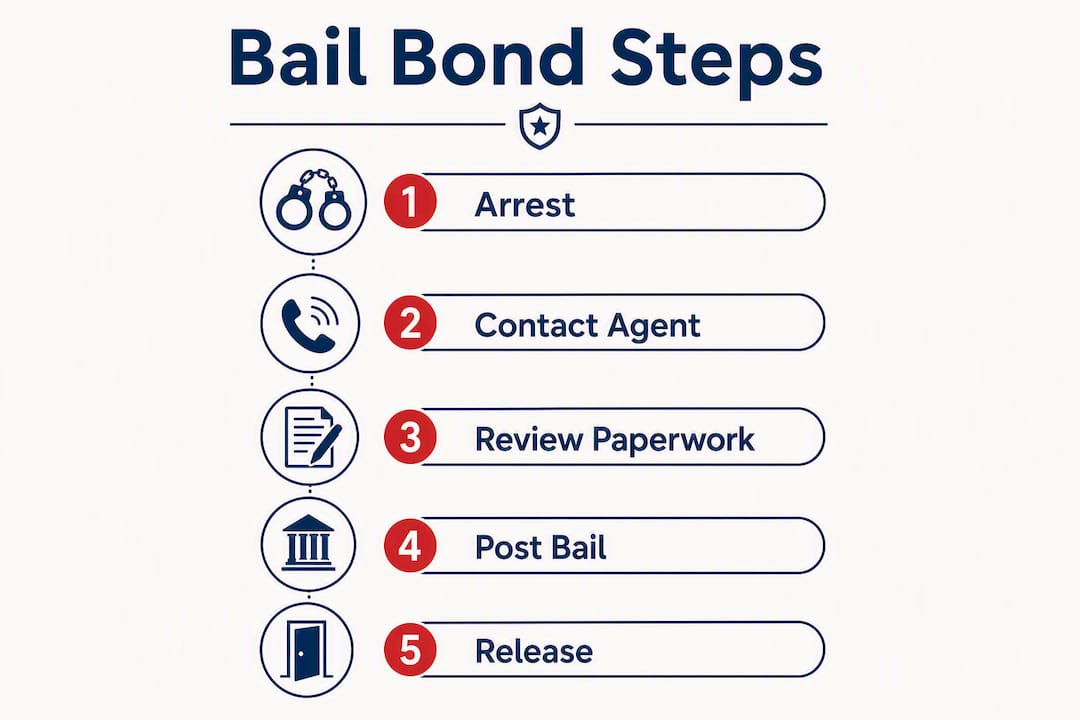
The role of a Spanish-speaking bondsman follows a clear sequence during a bond transaction. Here is what to expect from a competent bilingual agent:
- Field intake in Spanish. The agent takes the call, confirms the defendant's full name, booking number, facility, and charge, all in Spanish.
- Confirm bail amount. The agent contacts the jail or court to verify the set bail. Bail amounts vary based on factors judges weigh including charge severity, flight risk, and criminal history.
- Arrange the premium and payment. The agent explains the fee, confirms payment method, and sets up a plan if needed.
- Collect co-signer information and collateral. The agent gathers identification, proof of income, and any collateral details, explaining each requirement in Spanish.
- Prepare and explain the bond contract in Spanish. Every term in the indemnity agreement is explained before the co-signer signs, not after.
- Post the bond. The agent submits the bond to the jail or court.
- Handle release logistics. The agent tracks the release process and communicates updates to the family in Spanish.
- Provide court-date reminders and follow-up. Bilingual agents who proactively manage reminders and paperwork materially reduce missed court dates and bond forfeitures.
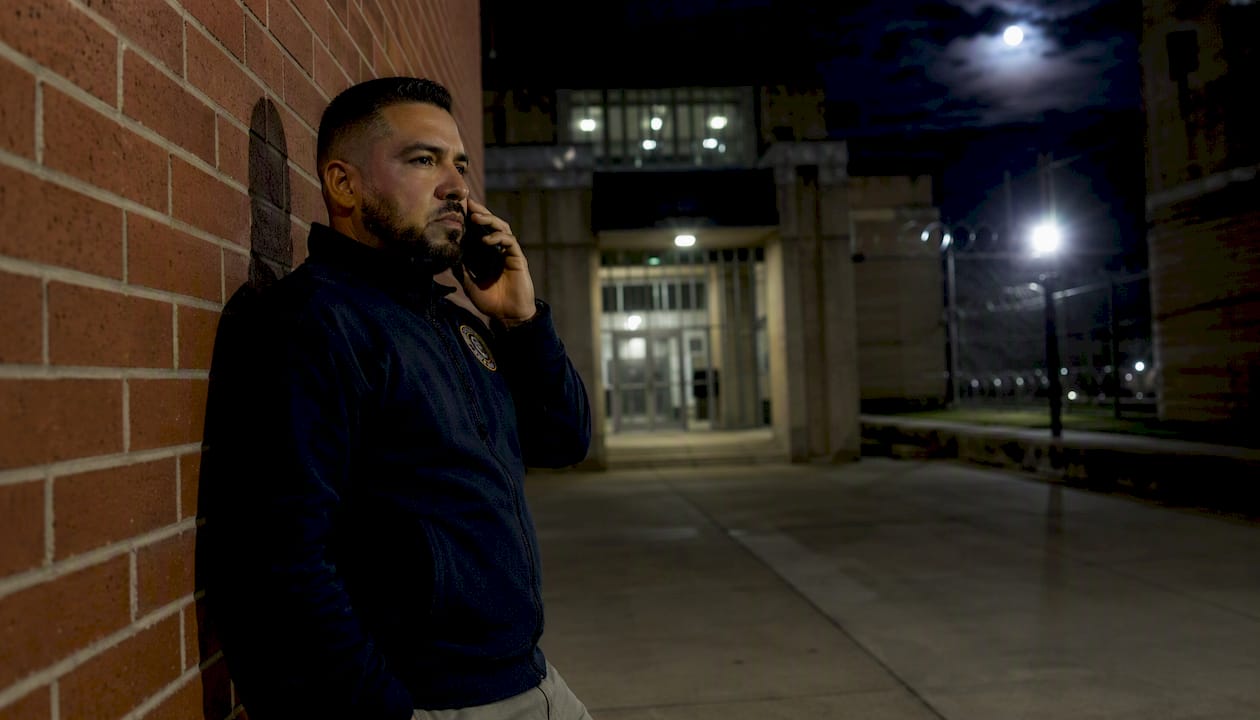
Consider a rapid-night arrest scenario: a family member is booked at 11 PM on a Friday. A fully bilingual agent answers immediately, confirms the bail amount, walks the co-signer through the indemnity agreement in Spanish over the phone, and has the bond posted before 2 AM. Without a bilingual agent available at that hour, the family waits until Monday morning when a Spanish-speaking staff member comes in. That is a full weekend in jail over a paperwork and language gap.
Agents operate under state licensing rules, and their authority varies by jurisdiction. In California, the California Department of Insurance governs bail agent licensing and bail fugitive recovery authority.
What does cultural competency mean beyond speaking Spanish?
Language fluency and cultural competency are not the same thing. Cultural norms around family decision-making, trust, and community expectations shape how co-signers respond to contracts and obligations, even when the words are technically translated correctly.

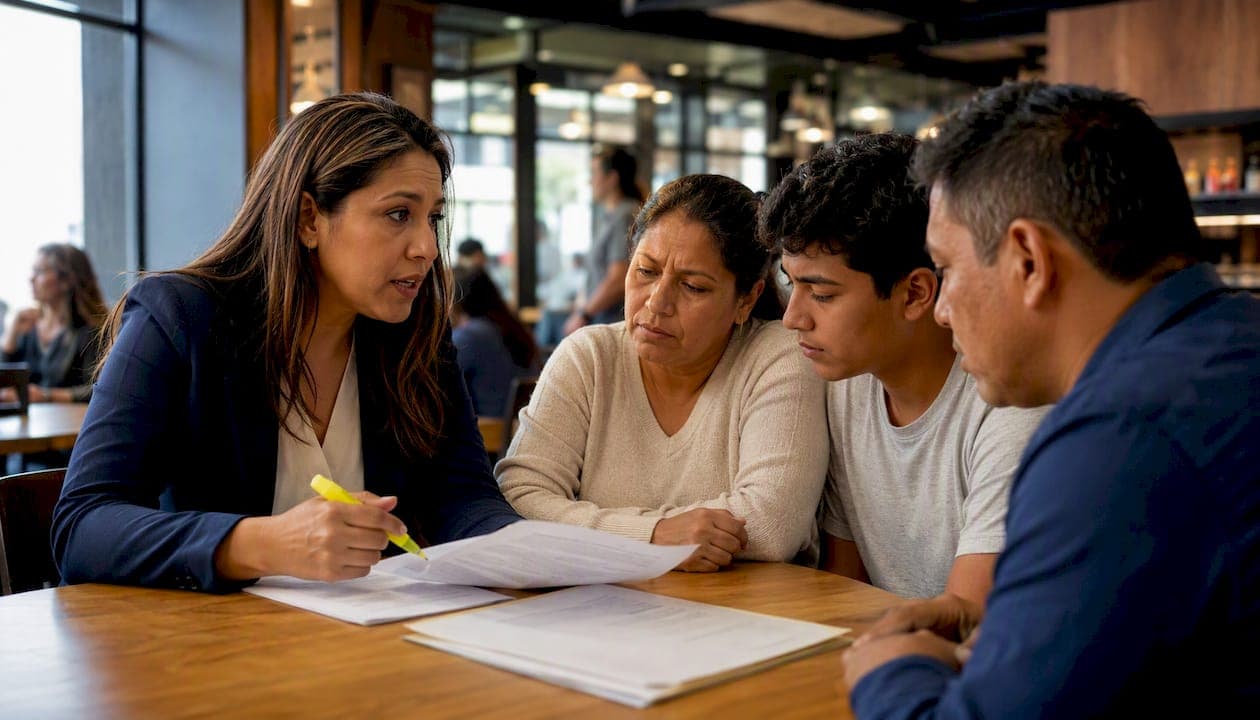
In many Spanish-speaking households, a major financial decision like pledging collateral is made collectively. The person on the phone may not be the one who actually controls the asset. A culturally aware agent recognizes this and adjusts: they ask who else needs to be part of the conversation, they allow time for family consultation, and they do not pressure a rushed signature. An agent who simply reads a translated contract aloud and asks "do you understand?" is not providing culturally competent service.
What a genuinely competent bilingual agent does:
- Explains legal terms in plain, contextual Spanish rather than translating legal jargon word-for-word
- Understands that co-signer norms vary and asks the right questions to identify who holds decision-making authority
- Adapts documentation approaches when clients lack certain standard U.S. documents
- Builds trust through tone, patience, and familiarity with community concerns, not just vocabulary
Pro Tip: Ask the agent to walk you through the indemnity agreement section by section before you sign anything. A good bilingual agent will pause at each obligation, confirm you understand the consequence, and answer questions without rushing. If they hand you a document and say "sign here," that is a red flag regardless of the language it is written in.
What can a bondsman legally do, and what are the limits?
A bail bondsman is not a lawyer, a police officer, or a court official. Understanding the boundaries protects you from both overreliance and exploitation.
What a bondsman can do:
- Post a bail bond to secure a defendant's release from custody
- Require a co-signer (indemnitor) and accept collateral to secure the bond
- Locate and return a defendant to custody if they skip bail (within state-specific authority rules)
- Charge a nonrefundable premium as their fee
- Explain the bond contract and obligations to the co-signer
What a bondsman cannot do:
- Give legal advice or recommend a defense strategy
- Enforce laws or make arrests in the same manner as law enforcement
- Change, reduce, or modify a court order or bail amount
- Guarantee a specific outcome in the defendant's criminal case
- Act as a court interpreter for on-record proceedings
A bail bondsman handles the financial transaction that secures release. For anything touching legal strategy, constitutional rights, or interpreter services during court proceedings, the defendant and family need an attorney. Interpreter errors in criminal proceedings can produce constitutional-level harms, including faulty plea consent — which is precisely why the agent's role and the attorney's role must not be confused.
Arrest and return authority also varies by state. In California, bail fugitive recovery agents operate under specific statutory rules distinct from standard bail agent authority. For cases involving penal code holds or complex charges, consult both a licensed agent and an attorney before assuming a bond can be posted immediately.
This article is general information, not legal advice. Confirm current rules with a licensed attorney or the California Department of Insurance.
What should you bring when posting bail?
Preparation cuts the release timeline significantly. Preparing documents and explanations before courthouse visits prevents common delays caused by waiting for court interpreters or scrambling for paperwork mid-process.
Document checklist for co-signers:
- Government-issued photo ID (driver's license, passport, or consular ID)
- Proof of relationship to the defendant (not always required, but speeds intake)
- Proof of income (pay stubs, bank statements, or employer letter)
- Vehicle title or property deed if offering collateral
- Social Security number or Individual Taxpayer Identification Number (ITIN)
- Payment method (cash, credit card, or debit card)
- Defendant's full legal name, booking number, and facility name
Typical timeline after first contact:
- First call to agent: intake and bail confirmation, usually under 30 minutes
- Premium payment and contract signing: 30–60 minutes
- Bond posted at the jail: 1–4 hours depending on facility processing speed
- Defendant released: typically 2–8 hours after bond posting, though some facilities run longer
- Court-date reminder: agent follows up before each scheduled appearance
Pro Tip: If you know an arrest is likely or has just happened, ask the agent to send you the indemnity agreement in Spanish by email or text before you arrive. Pre-reading the document in your own language means you arrive ready to sign, not spending an hour at the counter trying to understand what you are agreeing to.
For a step-by-step guide on what happens at the hearing itself, navigating a bail hearing as a family covers the process in plain language.
How do bail bond fees work, and how long does release take?
Bail bond agents charge a nonrefundable premium that is a percentage of the total bail amount. In California, state statute governs the standard premium rate. The fee is set by law, not negotiated down, though certain discounts apply for attorneys, active military, and union members.
Payment options available through licensed agents typically include:
- Cash or credit card paid in full upfront
- Payment plans with an initial deposit and scheduled installments
- 0% down options for qualifying co-signers with sufficient income and credit
- Attorney-arranged payment structures for clients represented by counsel
Use the bail bond cost calculator to estimate the premium on any bail amount before you call.
Release timing after a bond is posted depends on several factors. Most county jails in California process releases within a few hours of bond receipt, though wait times can be longer in larger facilities during peak booking periods. Holds related to immigration, probation violations, or specific penal codes can pause release entirely until those holds are cleared, regardless of whether a bond is posted. Your agent should flag any active holds during the intake call so you are not caught off guard.
How do you verify a bilingual bondsman's credentials?
Not every agent who advertises "bilingual" can actually deliver a full Spanish-language transaction at 2 AM on a Saturday. Advertisements alone do not guarantee a full bilingual transaction chain, and partial bilingual coverage is insufficient when families face off-hours arrests.
Verification checklist:
- Look up the agent's license number on the California Department of Insurance website
- Confirm the agent has a physical office address, not just a phone number
- Ask for the bond company's name and verify its active status
- Request a written contract in Spanish before signing anything
- Confirm the agent is bonded and insured
Questions to ask on the first call:
- Are you available in Spanish 24 hours a day, 7 days a week?
- Who will meet me at the jail or office, and do they speak Spanish?
- What is your license number, and can I verify it online?
- What documents do I need to bring?
- Can I receive the contract in Spanish before I arrive?
- What is the full fee breakdown, and are there any additional charges?
Red flags to watch for:
- Requests for full cash payment with no written receipt
- Refusal to provide a license number
- No written contract available in Spanish
- Evasive or pressured answers about paperwork or fees
- No verifiable physical office address
Spanish terms and quick phone scripts
| Spanish Term | English Meaning |
|---|---|
| Agente de fianzas | Bail bondsman (formal term) |
| Fiador | Co-signer / indemnitor (also informal for bondsman) |
| Fianza | Bail bond |
| Prima | Bond premium (the fee paid to the agent) |
| Co-deudor | Co-debtor / co-signer |
| Libertad bajo fianza | Release on bail |
| Comparecencia | Court appearance |
| Orden de arresto | Arrest warrant |
| Rebaja de fianza | Bail reduction |
| Fecha de corte | Court date |
| Embargo | Lien / seizure of collateral |
| Garantía | Collateral |
| Acuerdo de indemnización | Indemnity agreement |
| Número de reserva | Booking number |
| Centro de detención | Detention facility |
Short phone scripts for first contact:
- "Mi familiar fue arrestado esta noche. Su nombre es [nombre]. ¿Puede ayudarme con una fianza?" ("My family member was arrested tonight. Their name is [name]. Can you help me with a bail bond?")
- "¿Están disponibles las 24 horas en español?" ("Are you available 24 hours in Spanish?")
- "¿Qué documentos necesito traer para firmar la fianza?" ("What documents do I need to bring to sign the bond?")
- "¿Pueden enviarme el contrato en español antes de que llegue?" ("Can you send me the contract in Spanish before I arrive?")
Always request written documents in Spanish before signing. Verbal explanations are helpful; a signed contract you did not fully read is a liability.
What practitioners say about bilingual agents and outcomes
The evidence from practitioners and researchers points in one direction: language competency combined with proactive paperwork management produces measurably better outcomes for Spanish-speaking clients.
Effective communication is a precondition for the bail system to function. Without it, defendants and families cannot give meaningful, informed consent to bond obligations. That is not a soft claim about customer service. It is a structural problem with real consequences: extended detention, uninformed collateral pledges, and missed court dates that trigger bond forfeiture.
Court-provided interpreters are valuable but limited in scope. They typically cover on-record proceedings, not private consultations between an agent and a co-signer at a jail window at midnight. Experienced agents prepare Spanish-language paperwork and brief clients beforehand to avoid relying on court interpreters for private indemnity explanations. That preparation is what separates a genuinely bilingual operation from one that simply has a Spanish-speaking employee on the day shift.
A truly effective bilingual agent acts as a cultural navigator: they ensure the co-signer fully understands collateral risks and the long-term obligations in the indemnity agreement, preventing inadvertent losses of property or defaults caused by misunderstanding — not just a language gap, but a gap in how legal concepts translate across cultural frameworks.
Key Takeaways
A Spanish-speaking bondsman's value comes from combining language fluency, cultural competency, and proactive paperwork management to secure faster release and prevent co-signer losses.
| Point | Details |
|---|---|
| Verify licensure first | Look up the agent's license number on the California Department of Insurance website before signing anything. |
| Bilingual means 24/7 | Confirm Spanish-language service is available around the clock, not just during business hours. |
| Bring the right documents | Government ID, proof of income, booking number, and payment method speed up the release process significantly. |
| Know the limits | A bondsman posts the bond; an attorney handles legal strategy and constitutional rights. |
| Jakehernandezbailbonds | Offers licensed, 24/7 bilingual bail bond service across all 58 California counties, with 0% down options for qualifying co-signers. |
Why bilingual service is the standard, not the extra
Most people assume that having someone who speaks Spanish on staff is enough. It is not. The bail process involves a legally binding contract, collateral pledges, and court-date obligations that carry real financial consequences for the co-signer. A rushed signature on a document the co-signer did not fully understand is not informed consent. It is a liability waiting to surface the moment the defendant misses a court date.
What actually separates a competent bilingual agent from a superficial one is not vocabulary. It is whether they slow down at the indemnity agreement, ask who else in the family needs to be part of the decision, and send the contract in Spanish before the co-signer arrives. Those three habits alone prevent the majority of disputes and forfeitures I see traced back to communication failures. Language is the tool; cultural awareness is what makes it work.
Jakehernandezbailbonds: licensed, bilingual, and available right now
When your family needs a bail bond in California and needs it explained in Spanish, the last thing you want is to discover at midnight that the "bilingual" agent only works weekdays.
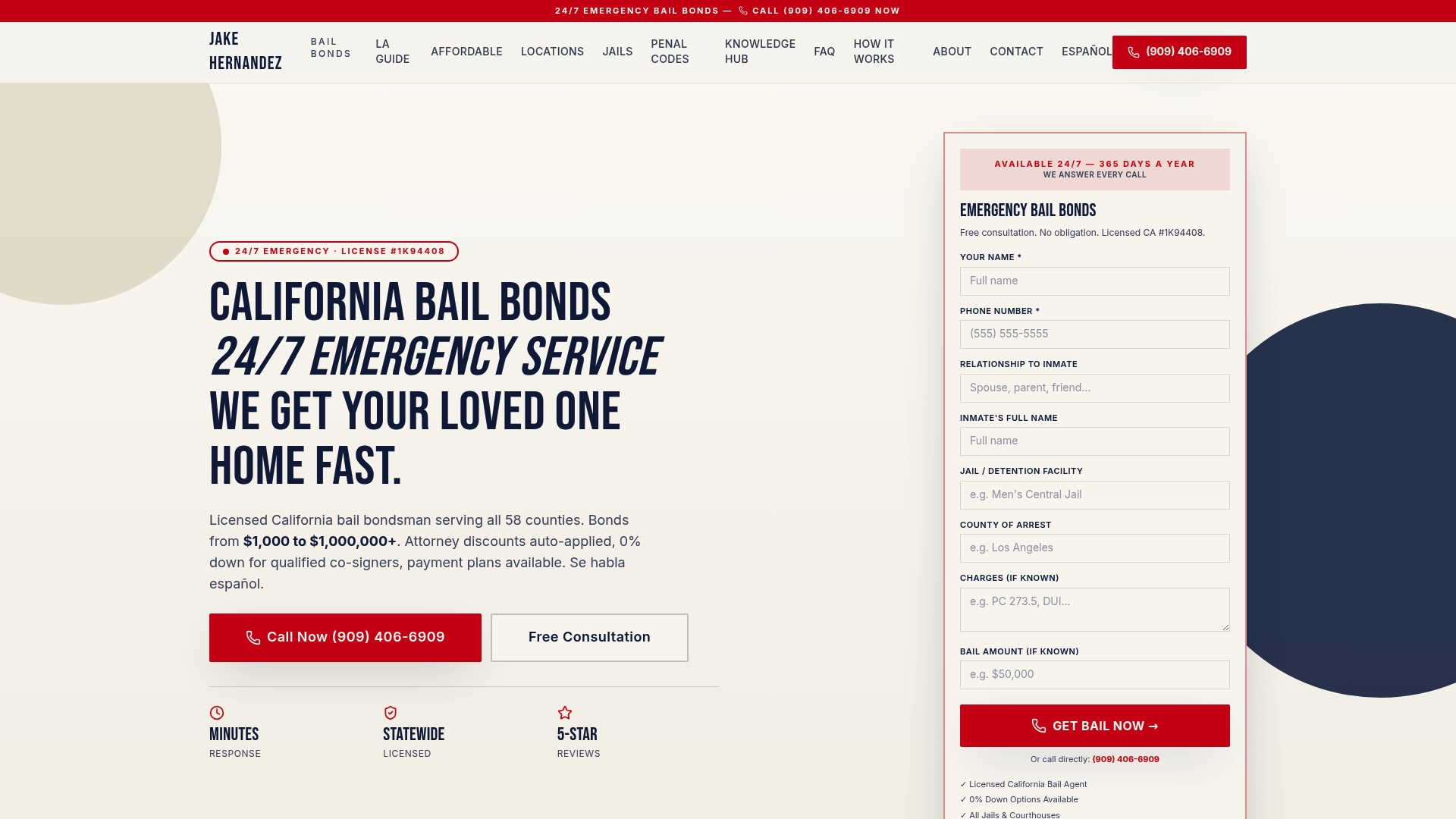
Jakehernandezbailbonds provides licensed bail bond service across all 58 California counties, 24 hours a day, with full Spanish-language support from intake through release. Co-signers who qualify can access 0% down options and flexible payment plans, so cost does not become another barrier when time matters most. Free consultations are available immediately, with no call center, no middleman, and no waiting until morning. Use the bail bond cost calculator to estimate your premium now, or call directly to speak with a licensed bilingual agent. License number 1K94408 is publicly verifiable through the California Department of Insurance. Start here to reach a bilingual agent right now.
Useful sources for further research
- California Department of Insurance — Bail Agent Licensing and Fugitive Recovery Act: The primary California authority for verifying bail agent licenses and understanding agent authority under state law.
- Fordham Urban Law Journal — Language Barriers and Cultural Incompetency in the Criminal Legal System: Academic research documenting how interpreter errors and language gaps create constitutional-level harms in pretrial and criminal proceedings.
- Jakehernandezbailbonds — California Bail Bonds 24/7: Licensed bilingual bail bond service covering all California counties; the immediate service option for Spanish-speaking families.