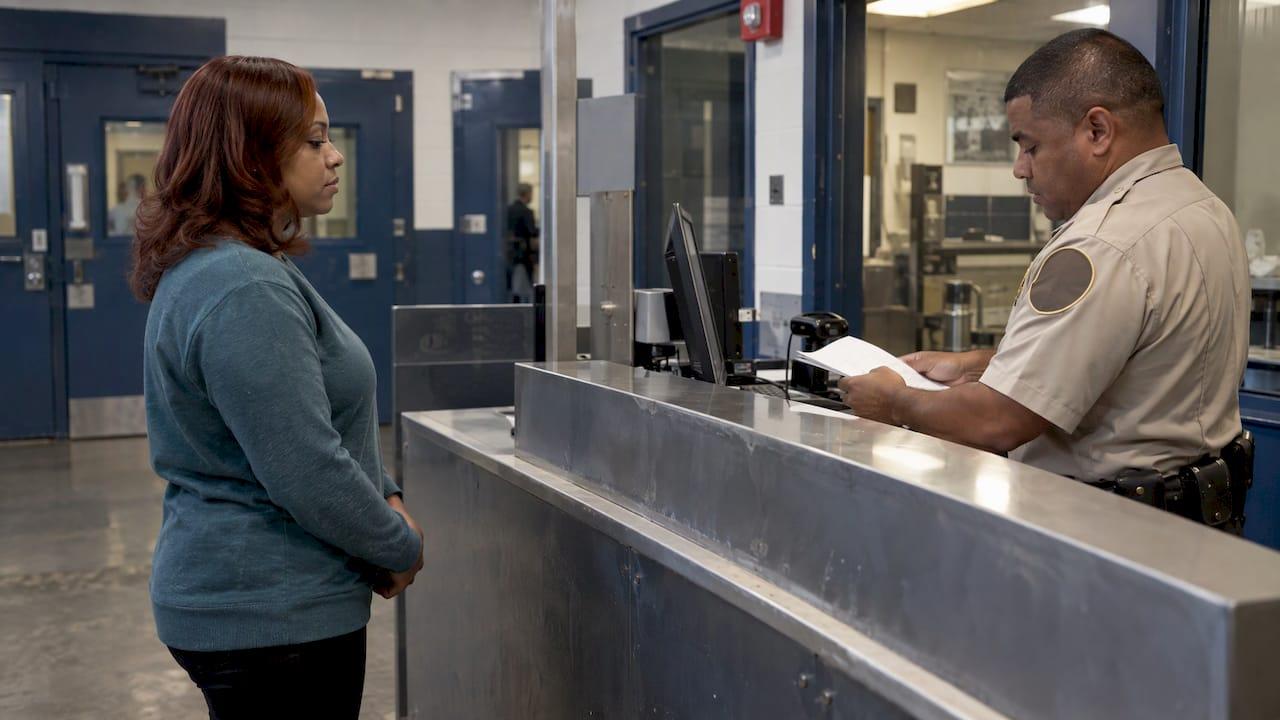
Most people are released within a few hours of bail being posted, but there is no single national clock. The timing depends on the county jail, how busy booking is and whether the paperwork is complete. Published jail policies range from about an hour to six hours, and a few cases run longer. When the bond is written by a bondsman who handles the paperwork and talks to the jail directly, the family spends less of that time waiting in the dark. That is how we work at Jake Hernandez Bail Bonds across all 58 California counties.
TL;DR
- Expect roughly 1 to 6 hours after bail is posted. Some county policies set a six-hour limit, and others say a few hours can pass.
- Release is not the same as posting. The jail still has to verify documents, check for warrants and holds, and process property.
- Evenings, weekends, holidays and shift changes are the slowest times.
- Holds, such as an immigration hold or a warrant in another county, can stop release even after bail is paid.
- Have the full name, booking or jail number and bail amount ready before you call a bondsman. It speeds everything up.
Table of Contents
- How long release takes after bail is posted
- When does the clock start?
- What happens inside the jail after bail is posted
- What causes delays
- How to speed things up
- If the person has not been released
- Promo: bail help from a bondsman who answers
- Our perspective
- FAQ
- Sources
How long release takes after bail is posted
The honest answer is a range. Here is what county jails say in their own published policies:
| Jail | Published timing after bond or bail |
|---|---|
| Benton County, WA | Usually 1 to 2 hours once bail is paid, if all other conditions are met |
| Allegheny County, PA | Bonded inmates are typically released within three hours of the jail receiving the necessary documents |
| Osceola County, FL | Approximately 4 to 6 hours, possibly longer |
| Larimer County, CO | Policy requires release on bond within 6 hours; any longer delay must be documented |
| Marion County, SC | Normally about 30 minutes, up to an hour or more, with up to four hours allowed if circumstances require |
These are policies and estimates for particular counties, not guarantees. Large urban jails with heavy bookings can run slower than small ones. For California, our own guides cover how long it takes to get out of San Diego Central Jail and the Riverside jail release process.
When does the clock start?
The clock does not start when you decide to pay. It starts when the jail has what it needs. In Larimer County, for example, the six-hour window for most bonds begins when the person is physically in the jail and the jail has been told the bond is ready to be posted. If a bond is posted online, it starts when payment is submitted or a power of attorney (the document that lets a bondsman post bond for the jail) is filed electronically.
This matters in a practical way. If the person is still being booked, bail information may not even be available yet. Miami-Dade County advises that families confirm the full name, jail number, bond amount and release eligibility first, and notes that release can still take several hours after posting because of booking, court processing, payment processing and release scheduling.

If bail is not posted at all, the wait is much longer. The ACLU of San Diego & Imperial Counties says in its family arrest brochure that a person who is not bailed out is typically held about 48 hours, sometimes up to five days, until arraignment (the first court hearing). That is why many families move quickly.
What happens inside the jail after bail is posted
Posting bail is the start of the jail's release process, not the end. Staff typically work through these steps:
- Verify the release documents. The jail confirms the bond or payment is valid.
- Run a warrant check. In Marion County, SC, staff run a national criminal "want" inquiry and check the local court system for outstanding warrants, and they also notify any victim of the release, per the county's release process page.
- Handle medical needs and property. Allegheny County reviews medical needs, property and the inmate's account balance before discharge.
- Return belongings. Benton County says people leave in the clothes they wore in, plus held property, and anyone with a positive account balance receives a check.
Each step is quick when the jail is quiet and the paperwork is clean. Any one of them can add time when it is not.
What causes delays
Busy times and shift changes
The Larimer County Jail FAQ says processing time depends on how many people are being arrested and released at once, and that evenings, weekends and holidays are traditionally the busiest times for booking. Marion County notes that shift changes at 7:00 am and 7:00 pm restrict inmate movement and can delay releases around 7:00 pm.
Paperwork from the court
If a judge ordered the release, the jail cannot start until the court paperwork arrives. Marion County says documents may not arrive until around 5:00 pm. The Clay County, FL Sheriff's FAQ adds that inmates are not returned to jail until everyone has seen the judge, which can take several hours.

Holds and warrants
A bond only covers the charge it was written for. A warrant in another county, a probation or parole hold or an immigration detainer can keep someone in custody after bail is paid. In California, state law treats a person who has posted a bond as eligible for release when it defines the standards for responding to ICE hold requests. We handle immigration bonds and 1275 holds, which is a specialty hold category, so a hold on the booking record is something we know how to read and work through.
Incomplete or incorrect information
A misspelled name, wrong jail number or wrong bail amount slows the jail's check. Our guide on how bail paperwork gets completed walks through what the forms need.
Electronic monitoring
In Larimer County, a sheriff may hold a defendant up to 24 hours only when needed to fit required electronic monitoring. Supervisory conditions of release do not justify delay, according to the county policy.
How to speed things up
You cannot control the jail's workload. You can control how fast the bond reaches it.
- Collect the details. Full legal name, date of birth, jail or booking number, the facility and the bail amount. If booking is still in progress, the bail amount may not be set yet.
- Call a licensed bondsman right away. We work 24/7 and offer free consultations, so a call at 2 am is normal. You speak to us directly, with no call center in between.
- Prepare the co-signer. The co-signer is the person who takes responsibility for the bond. Having ID and contact information ready saves time. You can also start online if you cannot get to an office.
- Ask about the plan. The statutory premium is 10% of bail, and attorneys get an 8% rate; both are on our bail bond cost page. Qualified co-signers can use payment plans, and we offer $500 down bail bonds as well as 0% down options.
- Keep the paperwork. Anyone posting a money bond has the right to a copy of the bond paperwork, including the next court date, under Larimer County policy. Keep that date safe. Missing it creates a much bigger problem than a slow release.
Our guides on the 24-hour bail bond process and after-hours bail bonds in California cover night and weekend situations in more detail.
If the person has not been released
First, work out whether it is a normal wait or a stuck release.
- Under a few hours, and the jail is busy: this is typical. Check the time against the county's range above.
- Beyond that: call the jail's release or records line and your bondsman. We follow up with the jail on the bond we wrote. Larimer County's jail notes that families can phone its booking staff to ask about bonding someone out.
- Ask why. Some jail policies require staff to explain a delay. Larimer's requires that both the defendant and the surety be told the reason for a delay beyond six hours.
- Check for a hold. A second warrant or an immigration detainer is the most common reason a bonded person stays in.
On the phone, be careful what you say. The ACLU of San Diego & Imperial Counties warns that jail calls are recorded and families should not discuss the case over them. A defense attorney is the right person for questions about the case itself.
Promo: bail help from a bondsman who answers
We write felony, misdemeanor, federal and immigration bonds in all 58 California counties, with bilingual support in Spanish, Hindi and Arabic. Consultations are free, and you reach a bondsman at any hour. If someone you love is in custody, start with our California bail bonds page or see the felony and misdemeanor bond pages.
Our perspective
Families usually call us afraid and tired. They want a time, and the honest answer is a range, because the jail controls the last step.
What we control is everything before it. We take the call ourselves, collect the booking details, get the bond written and filed, and stay on it until the person walks out. There is no call center passing notes.
Speed is a reason we exist, but so is clarity. We want you to know what happens after you sign: the court dates, what the co-signer is responsible for, and what to do if the jail runs long. That is why we built payment plans, 0% down options for qualified co-signers and attorney discounts into the way we work.
Jake
FAQ
How long does it take to get out of jail after posting bail?
Often between one and six hours. Published county policies range from about an hour in some jails to a six-hour limit in others. Busy nights, weekends, court paperwork and holds can add time.
Can someone be released immediately after bail is posted?
Sometimes. The ACLU of San Diego & Imperial Counties notes that in some cases a person is released immediately after bail is posted. That depends on the booking being complete and no holds being on the record.
Why was someone not released after the bond was posted?
Common reasons are missing court paperwork, incomplete booking, a warrant or hold in another case, a busy shift change or processing property and medical review. Ask the jail and your bondsman which one applies.
What is the longest you can be on bail?
Bail lasts until the case ends or the court changes the order, not for a fixed period. The conditions include appearing in court on the date set and afterward as ordered, as the Adams County, IL Sheriff FAQ explains.
Sources
- Benton County, WA: Getting out of jail
- Allegheny County, PA: Release process
- Osceola County, FL: View and pay bond
- Larimer County Sheriff's Office policy on bonding and release
- Marion County, SC: The release process
- Miami-Dade County: What happens after an arrest
- ACLU of San Diego & Imperial Counties: Arrest brochure (2018)
- ACLU of San Diego & Imperial Counties: My loved one was arrested
- Larimer County Jail FAQ
- Clay County Sheriff's Office jail FAQ
- California Government Code § 7282
- Adams County, IL Sheriff and Jail FAQ